How to Check Your Home for Bugs: A Room by Room Guide
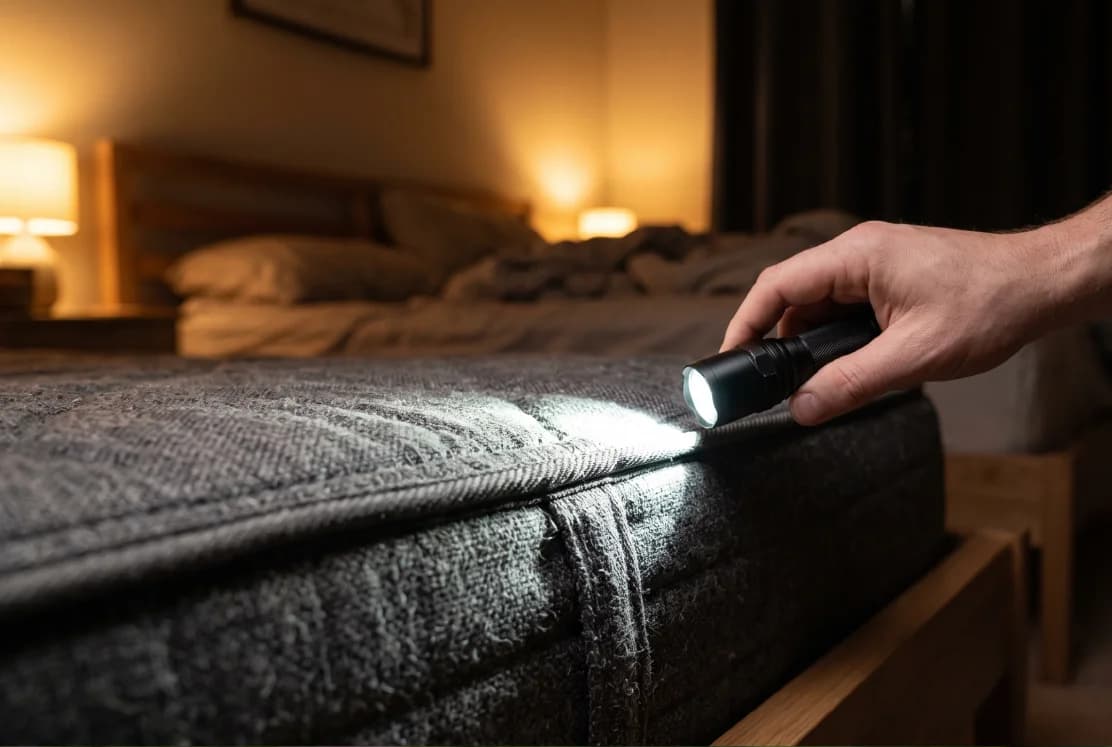
Most home bug problems are found by accident, a single sighting that makes you wonder what else might be there. A proper check takes about 20 minutes and covers the specific spots where pests actually hide, rather than a quick glance around the room. This guide walks through each area of the home in order.
Found something already? Identify it with the free AI Bug Identifier before reading further.
What You Need Before You Start
- A flashlight, since most hiding spots are dim or fully dark
- A flat tool such as a butter knife or old credit card, for checking behind baseboards and under appliances without moving them fully
- Your phone camera, to photograph anything you find for identification
Kitchen
Check under the sink first, since the combination of moisture and dark enclosed space makes it the single most common kitchen hiding spot. Pull items out rather than just looking past them. Check behind and underneath large appliances, especially the refrigerator and stove, where crumbs and warmth collect. Open the pantry and check the back corners of shelves and inside any opened dry goods such as flour, cereal, or grains, since pantry pests live and breed directly inside food packaging. Look along the base of cabinets for small dark droppings, which are usually the first sign of a cockroach or pantry pest problem before you ever see the insect itself.
Bedroom
Pull back the sheets and check the mattress seams, tufts, and the corners where the mattress meets the box spring, using the flashlight closely. This is the most important bedroom check, since bed bugs live almost exclusively in these seams during the day. Look for tiny rust colored spots on the sheets, small dark droppings along the seams, or shed pale skins near the mattress edge. Check behind the headboard if it is mounted against the wall, and inside any nearby electrical outlet plates, both common secondary hiding spots.
If you wake up with unexplained bites in a line or cluster, use the Bug Bite Identifier to help narrow down the likely cause based on the bite pattern.
Bathroom
Check around the base of the toilet, inside the cabinet under the sink, and along the bathtub or shower drain edge. Bathrooms attract moisture loving pests such as drain flies and silverfish rather than food pests. A small moth-like insect resting on the wall near a drain is almost always a drain fly. Silverfish are silver-grey, wingless, and fast moving, usually spotted at night near damp floor edges or inside stored towels.
Living Areas and Carpets
Check along carpet edges where they meet the wall, particularly in corners and under furniture that is rarely moved. Carpet beetle larvae and their shed skins collect in these undisturbed edges. Check inside any wool or natural fiber items stored in the room, including rugs folded in a closet. Look under sofa cushions and along the frame seams, another common hiding spot for a range of household insects.
Closets and Storage Areas
Storage areas are dark, undisturbed, and often hold fabric and cardboard, which makes them a leading hiding spot across several pest categories. Check stored clothing, particularly wool, silk, or fur items, for small holes or larvae, a sign of carpet beetles or clothes moths. Check the corners and undersides of cardboard boxes, favored by spiders including brown recluse, which prefer dark undisturbed spaces exactly like this. Shake out or inspect anything that has not been moved in several months before storing it again.
What to Do When You Find Something
Photograph it clearly before doing anything else, since a live sample is not necessary for identification and handling an unfamiliar insect is not worth the risk. Upload the photo to the free AI Bug Identifier at the top of the homepage to get the species name, a danger classification, and clear next steps in seconds. A single sighting of a common household insect rarely needs professional treatment, while droppings, shed skins, or multiple sightings across different rooms are the signals that usually do.
Not sure what you found? Use the free AI Bug Identifier at the top of the homepage. If it turns out to be a bite rather than the insect itself, the Bug Bite Identifier can help pinpoint the likely cause from the bite pattern.
Frequently Asked Questions
More Guides
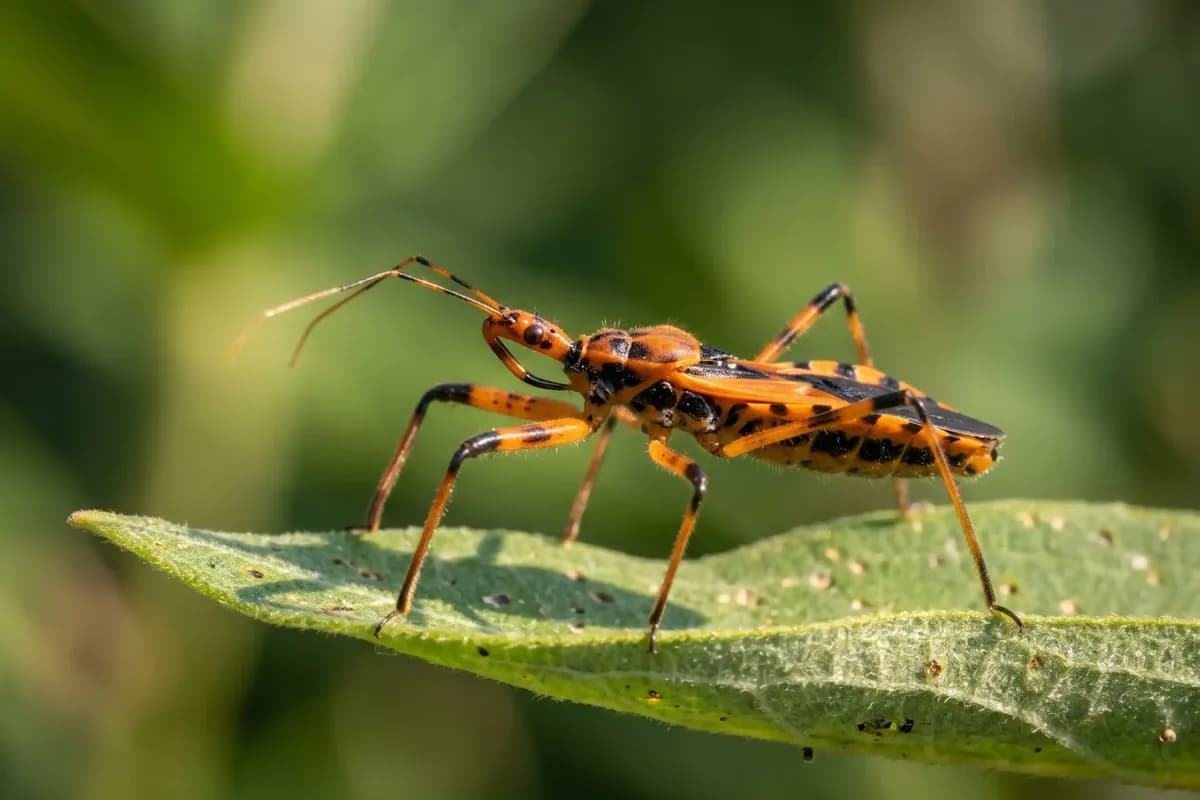
How to Identify an Assassin Bug: Types and Nymphs
Read the guide →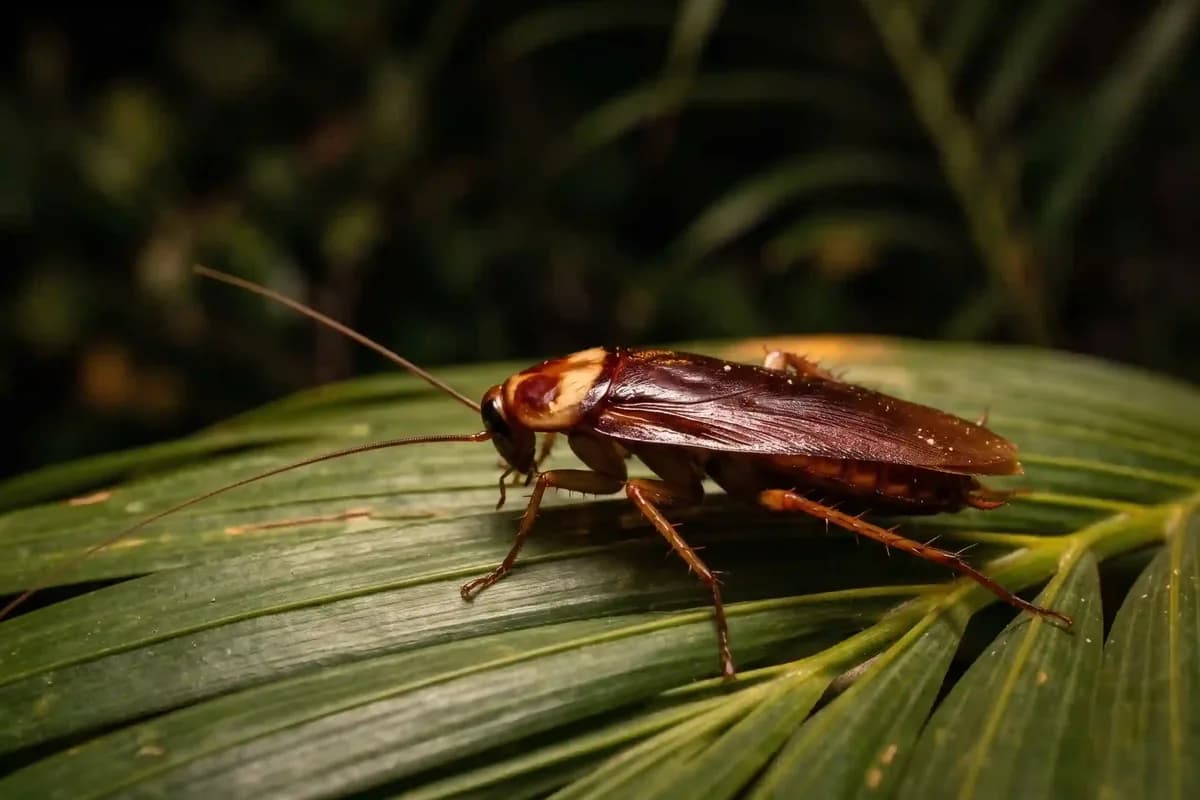
What Is a Palmetto Bug? Size, Flight and Eggs
Read the guide →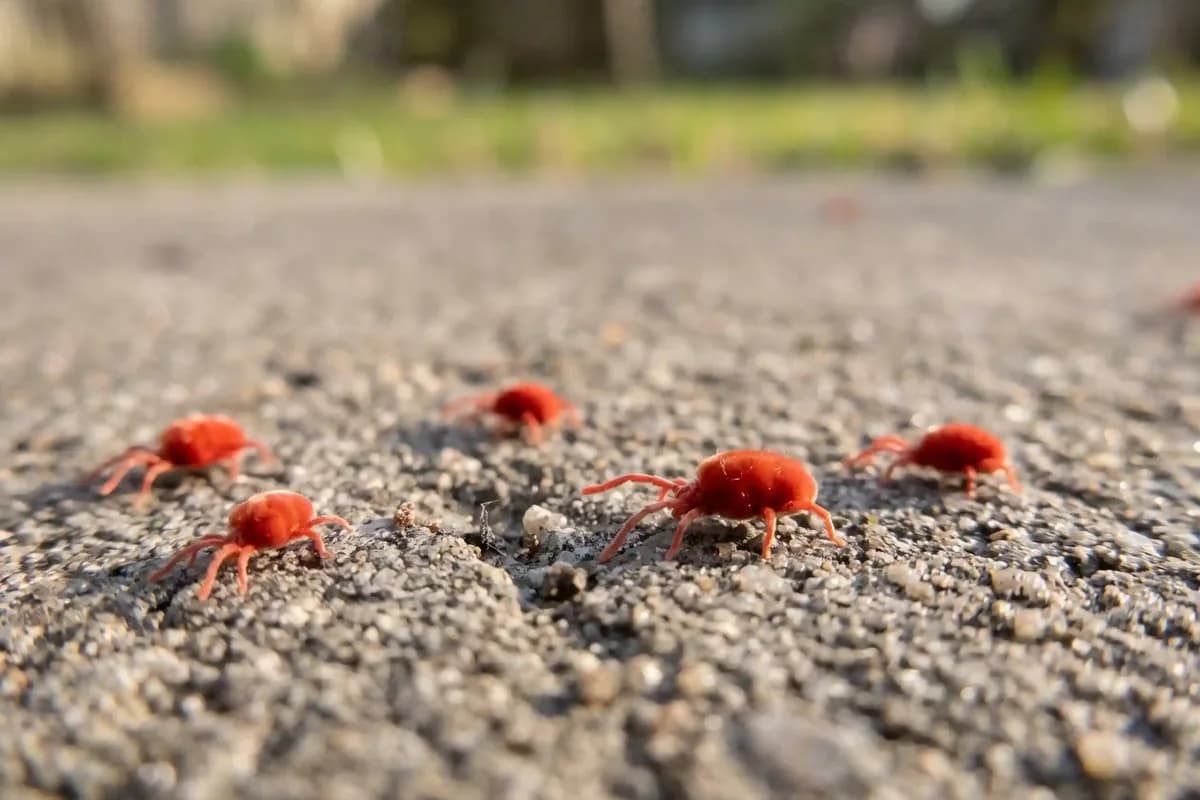
What Are These Tiny Red Bugs? Clover Mites and More
Read the guide →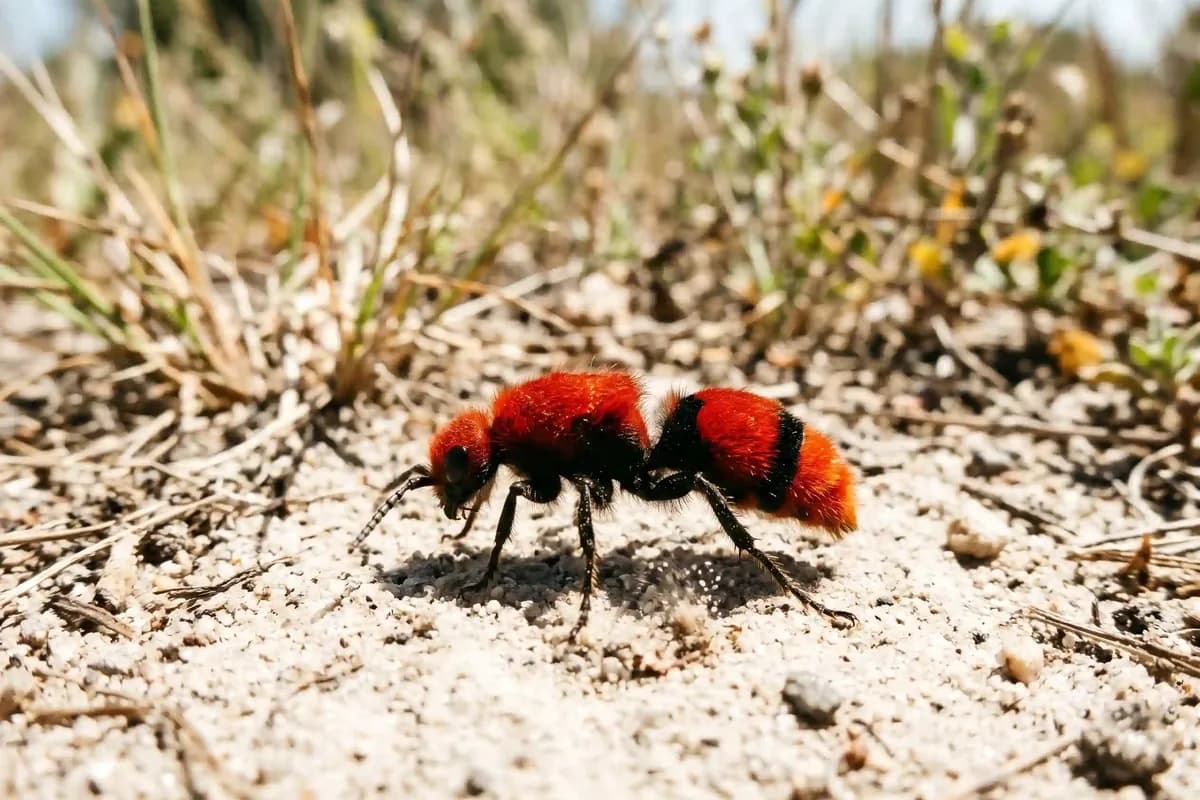
What Is a Velvet Ant? The Red Cow Killer Explained
Read the guide →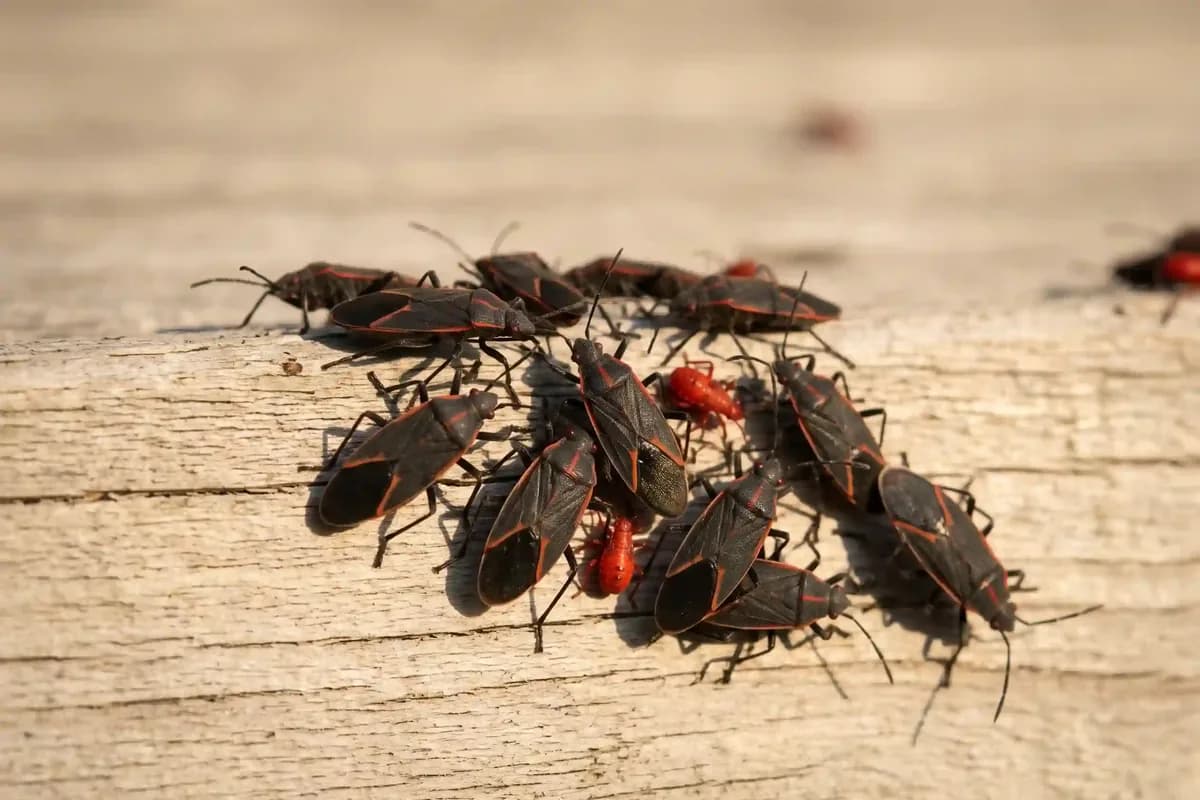
Boxelder Bugs: Identification and Why They Swarm
Read the guide →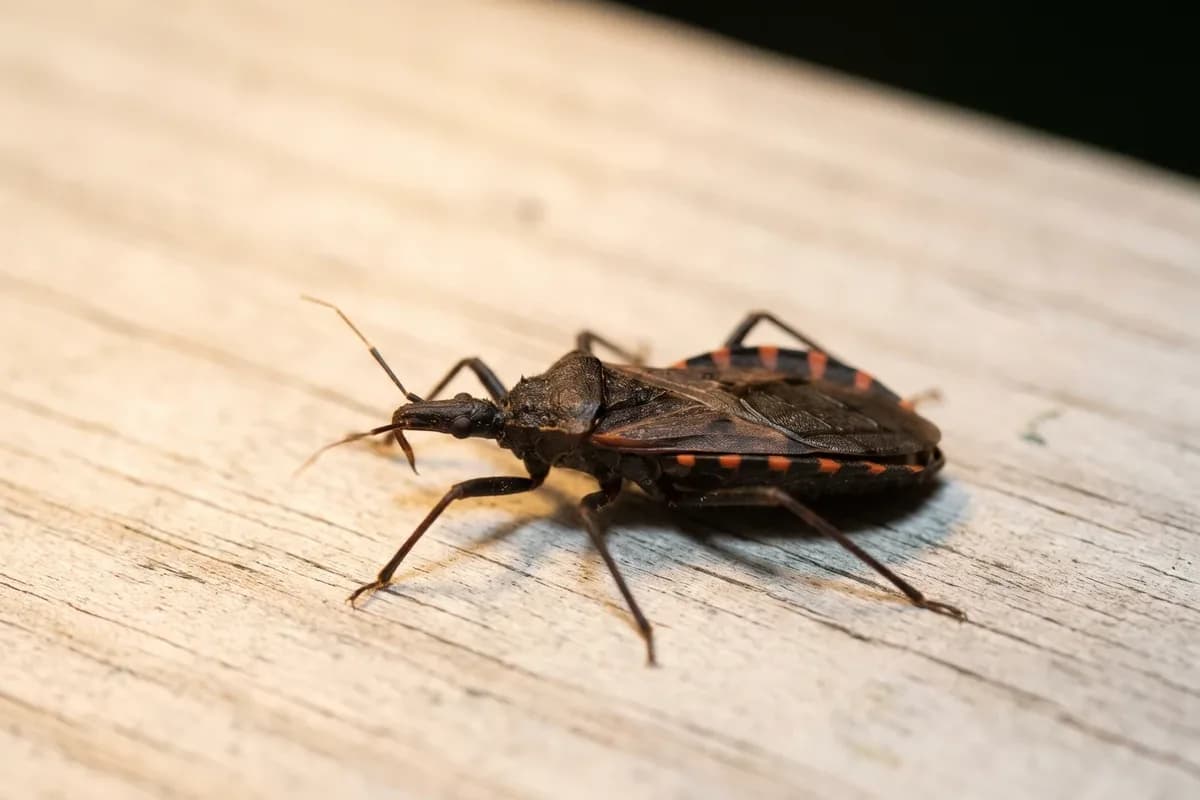
Kissing Bug: Identification, Pictures and Size
Read the guide →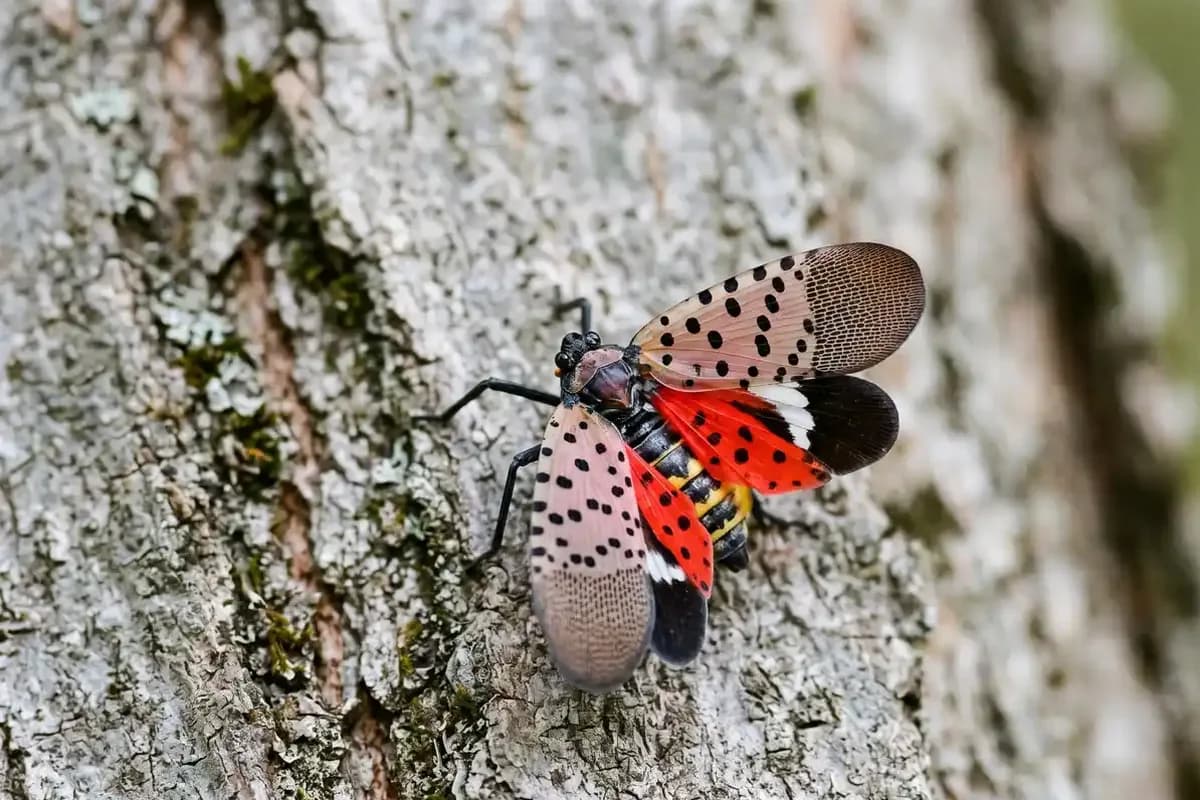
Spotted Lanternfly: Identification and Map
Read the guide →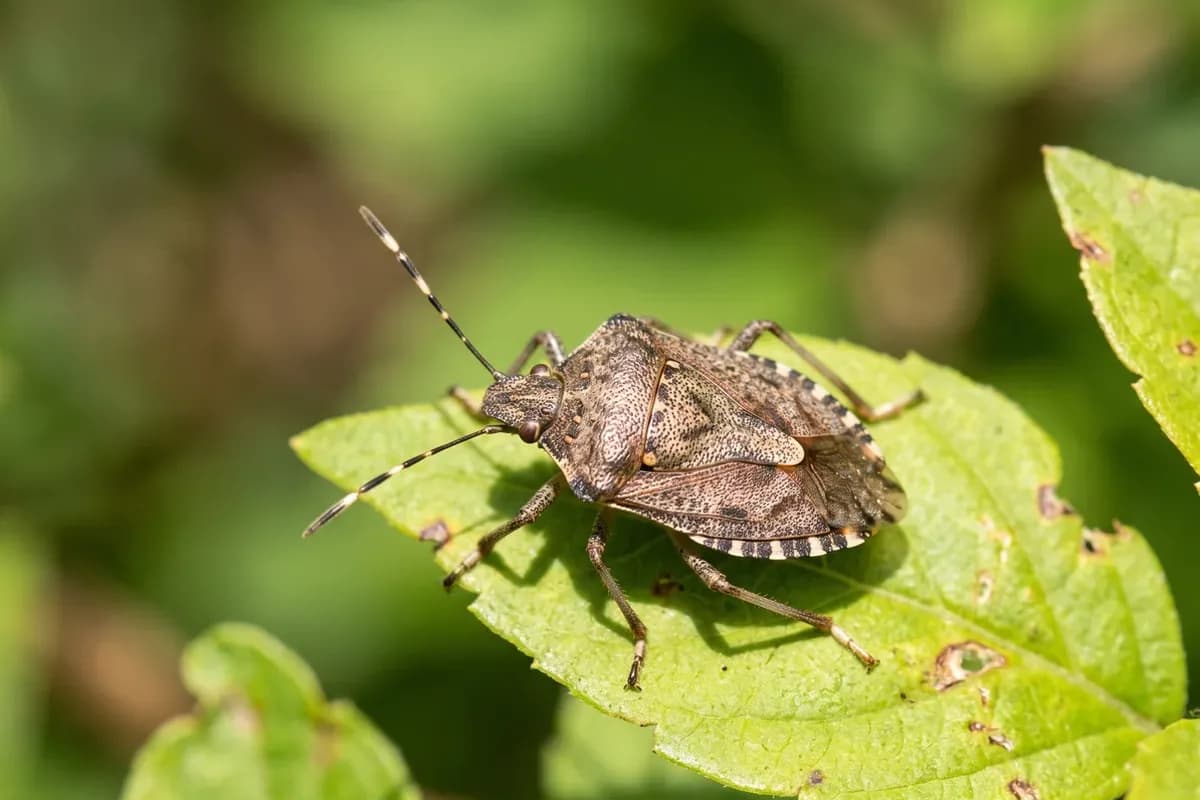
Stink Bugs: How to Identify the Common Types
Read the guide →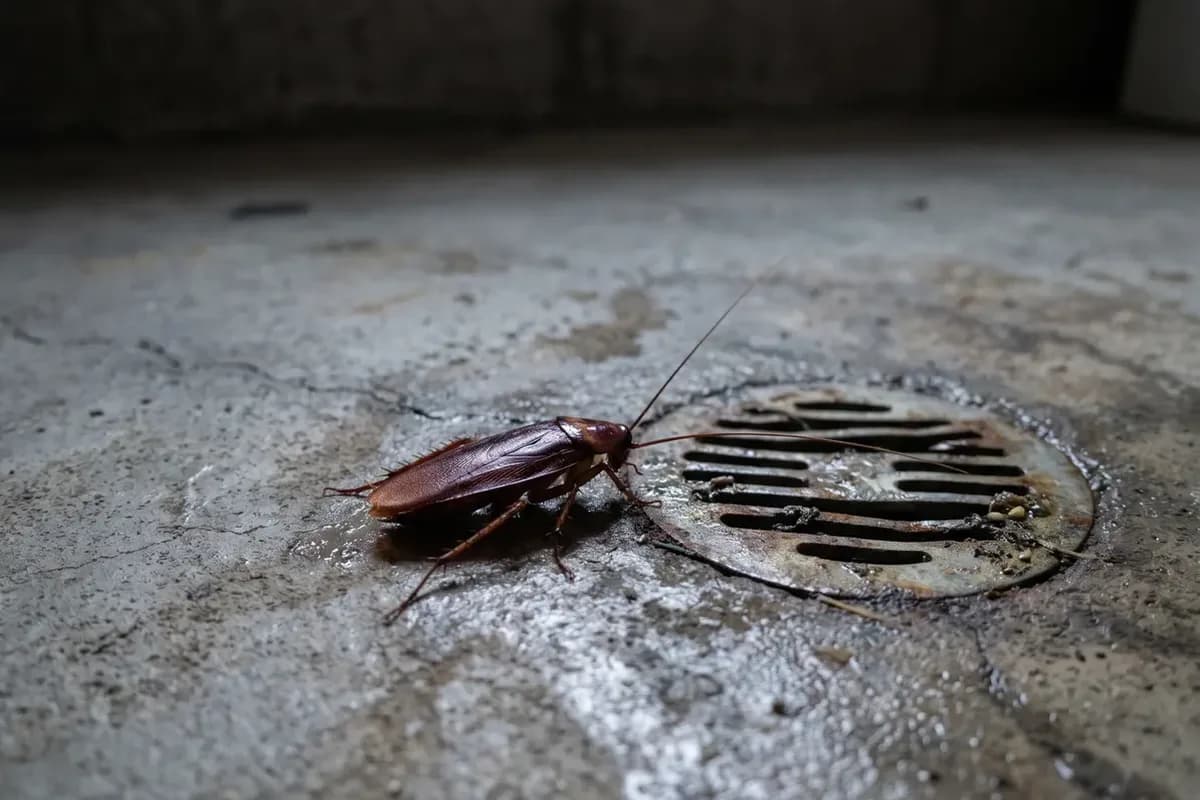
Water Bug vs Cockroach: What You Really Found
Read the guide →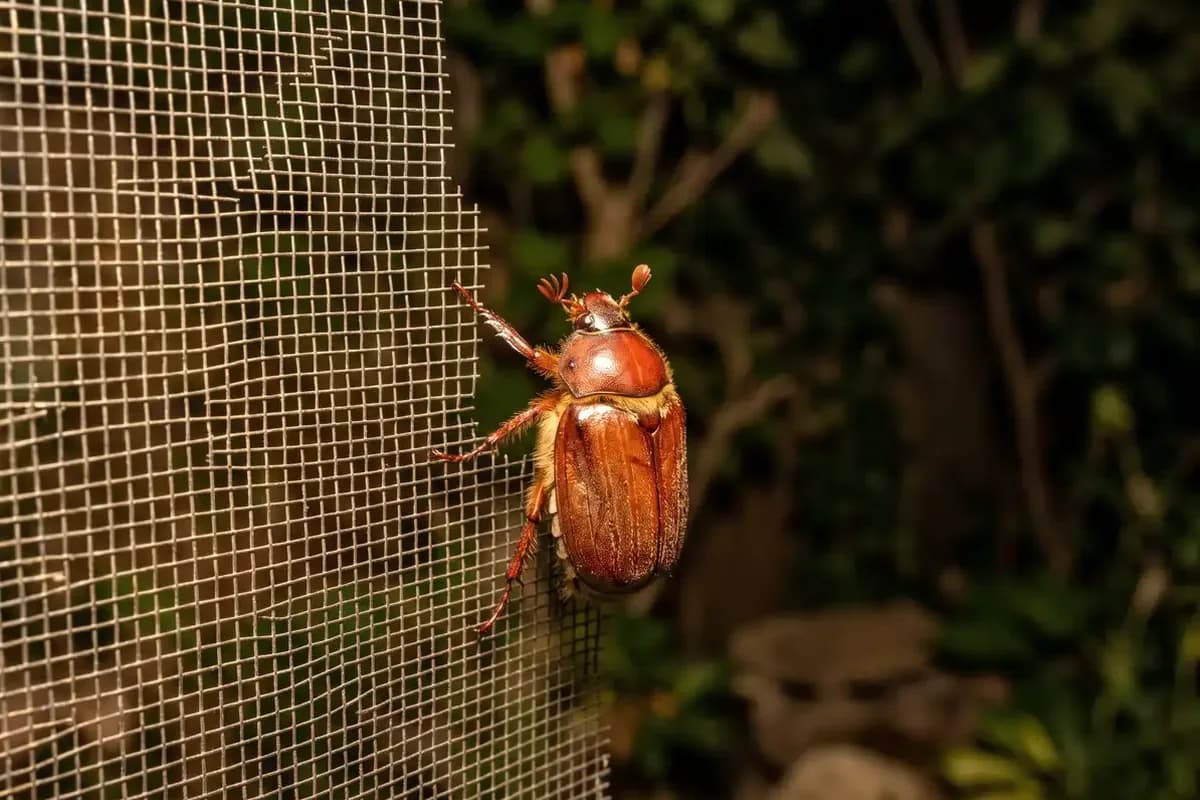
June Bug: Identification, Types and Pictures
Read the guide →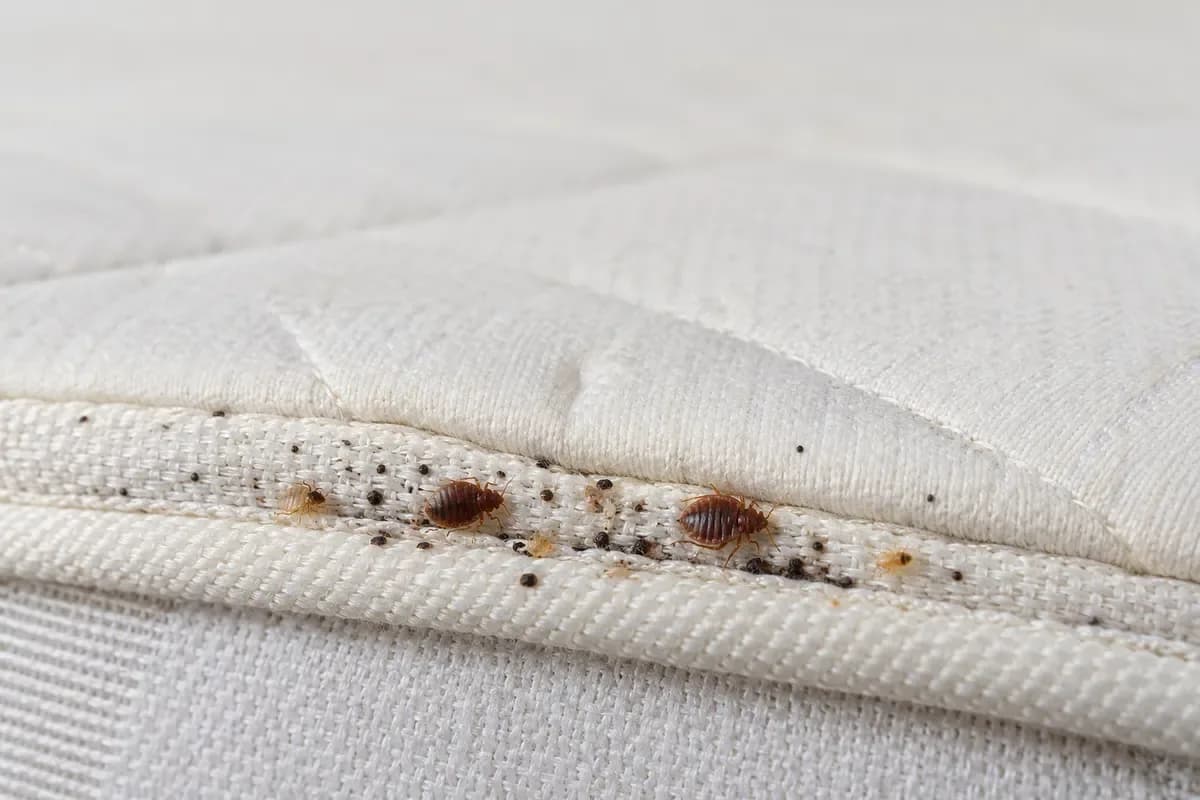
How Big Are Bed Bugs and Can You See Them?
Read the guide →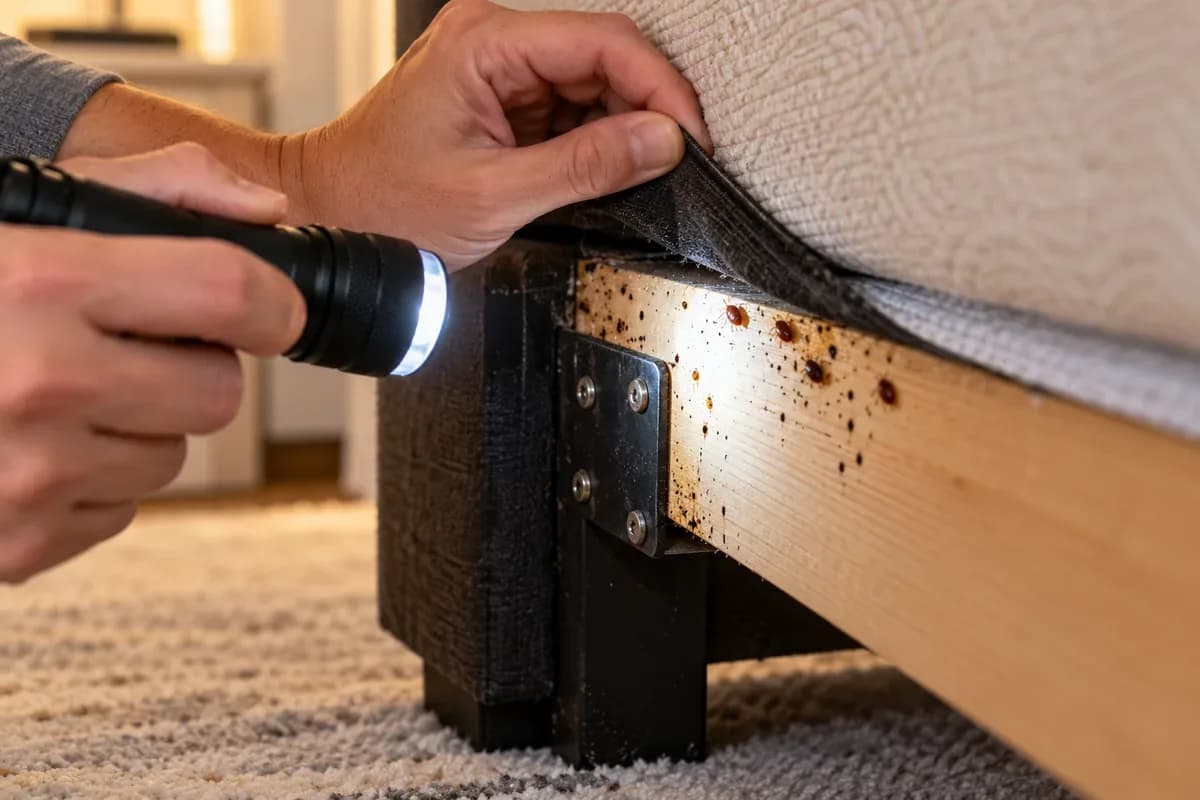
How to Check for Bed Bugs Step by Step
Read the guide →
Where Do Bed Bugs Come From in the First Place?
Read the guide →
What Kills Bed Bugs on Contact (and What Does Not)
Read the guide →
Bed Bugs vs Fleas vs Ticks and Bat Bugs
Read the guide →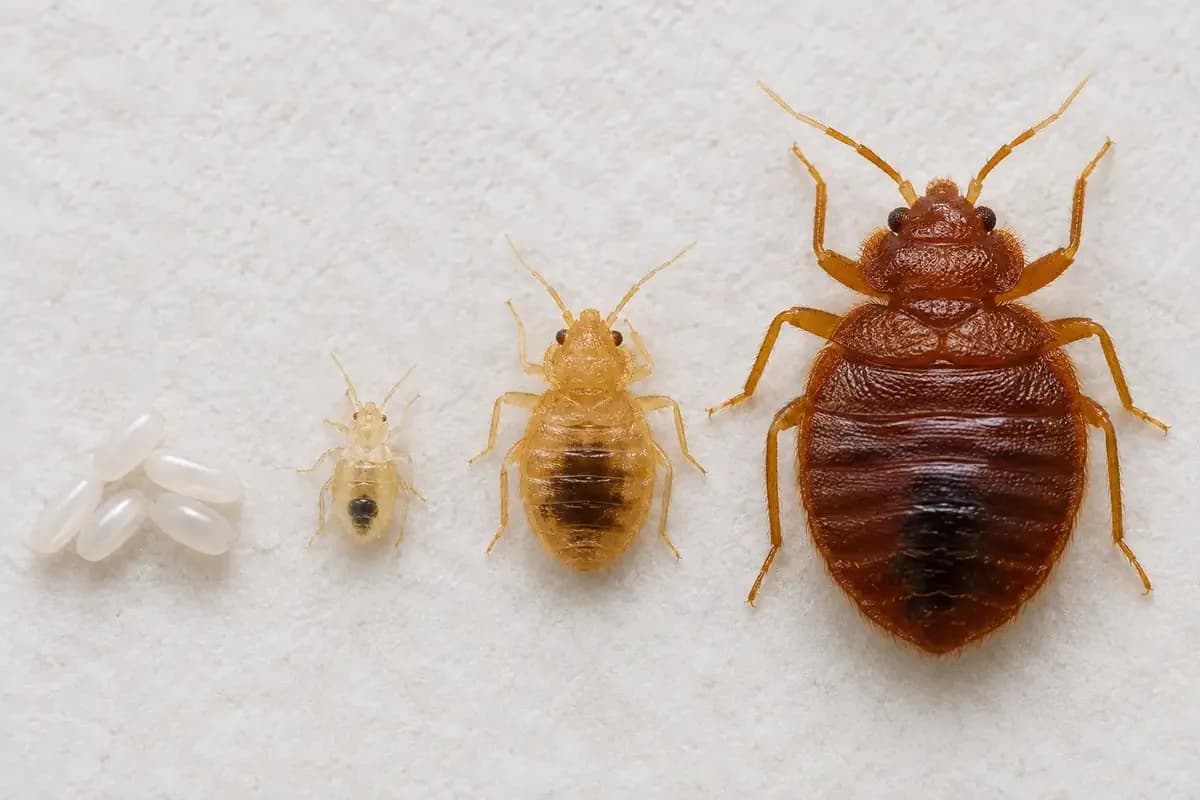
What Do Bed Bugs Look Like? Adults, Nymphs and Eggs
Read the guide →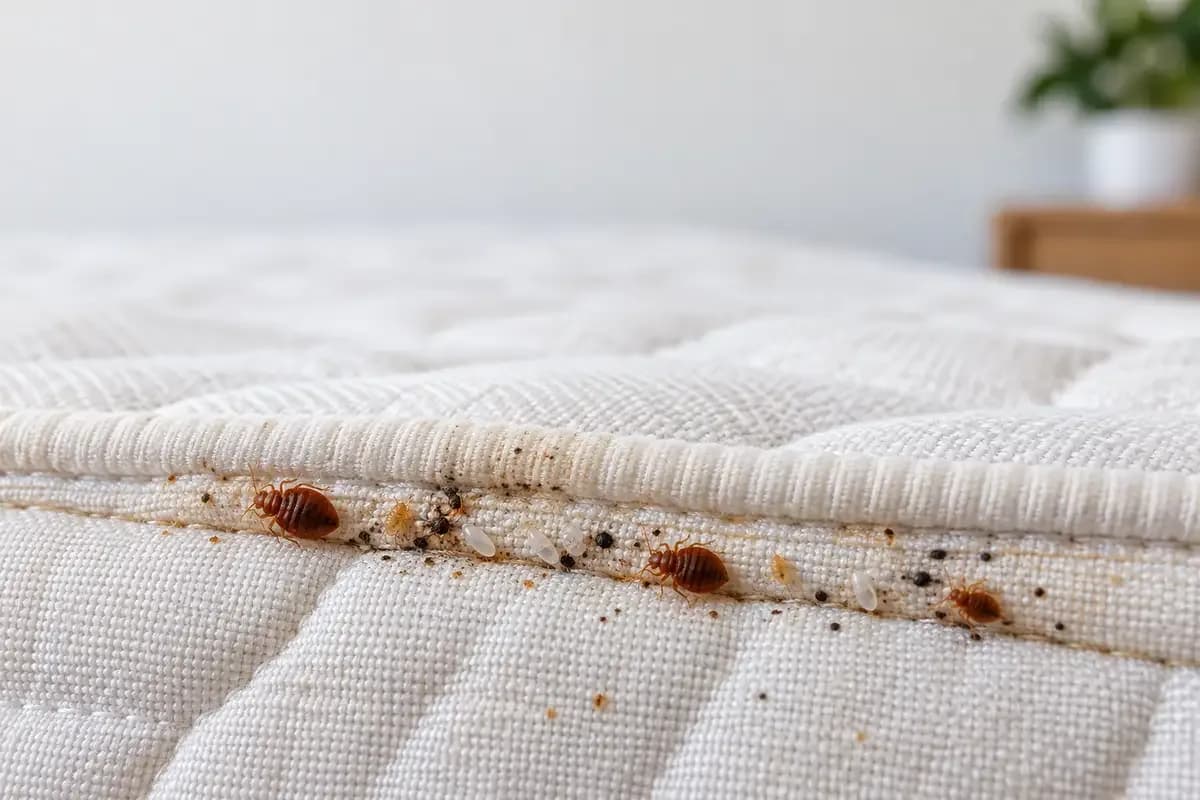
Early Signs of Bed Bugs: 7 Clues to Check First
Read the guide →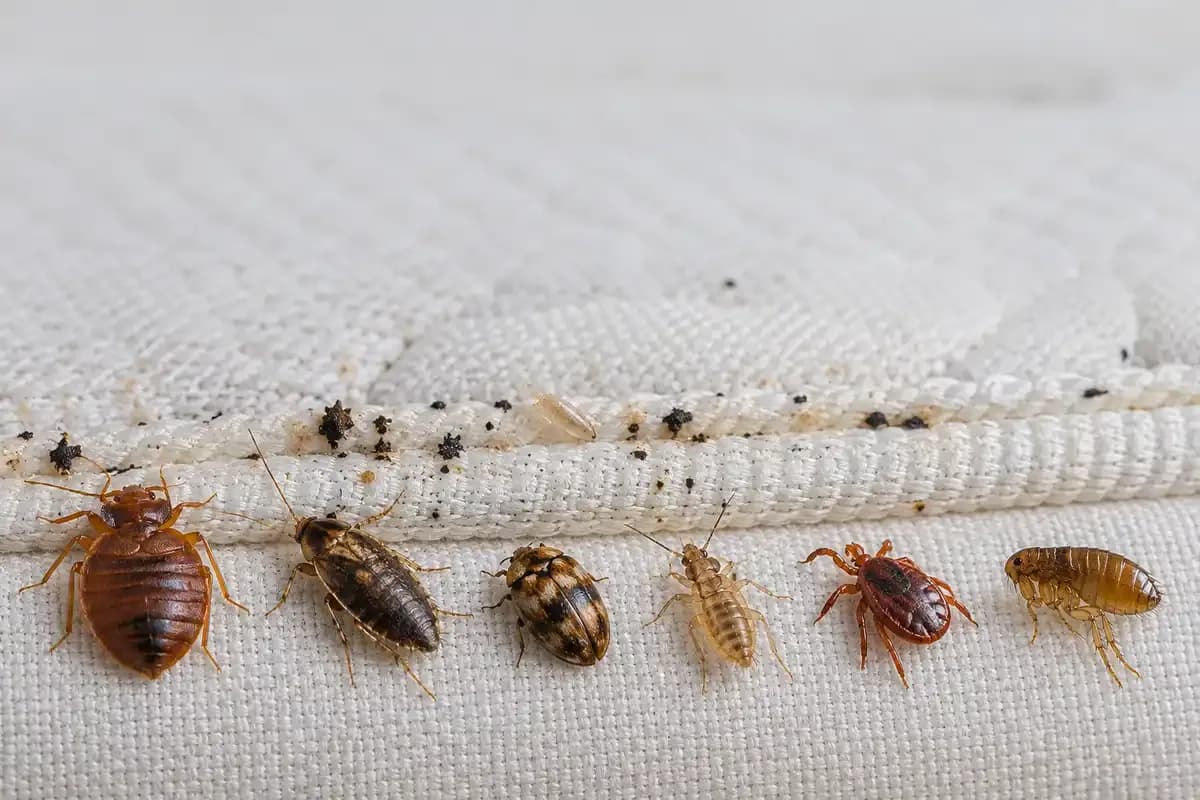
Bugs That Look Like Bed Bugs: 10 Common Lookalikes
Read the guide →
How to Get Rid of Bed Bugs: A Practical Step Plan
Read the guide →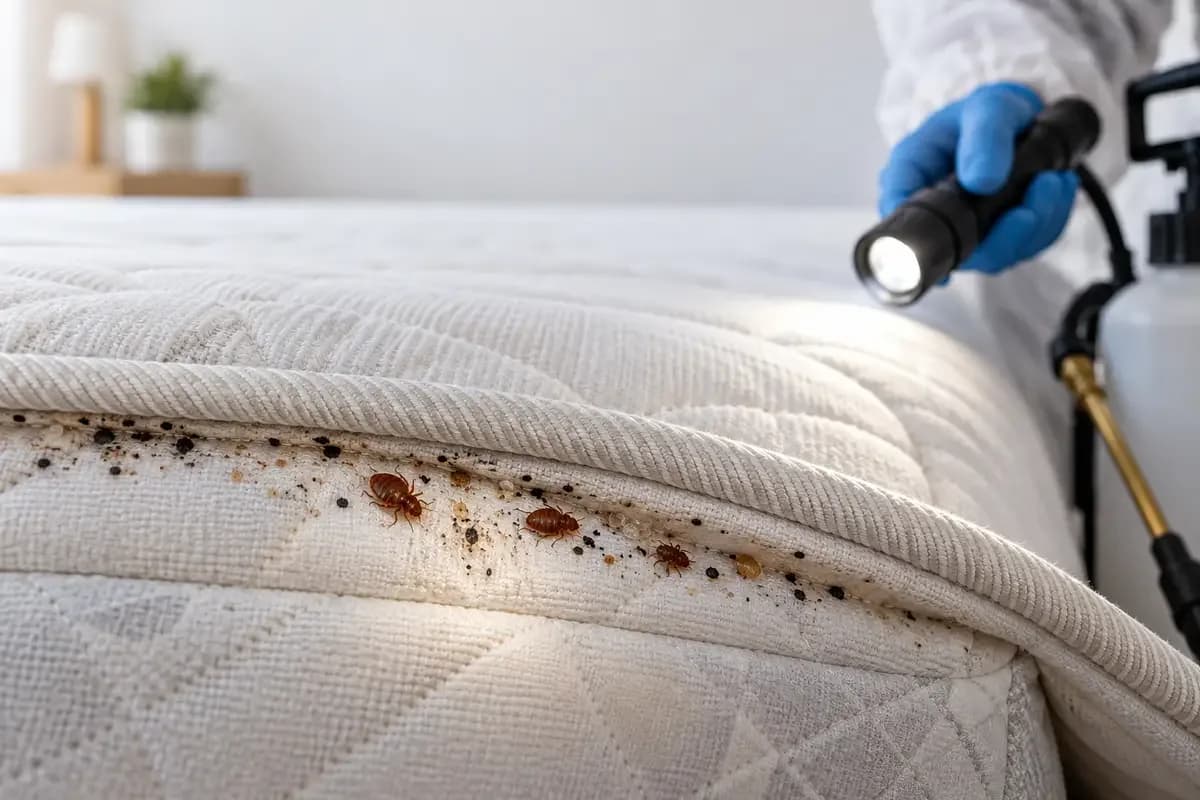
Professional Bed Bug Treatment: What to Expect
Read the guide →
The 10 Most Venomous Spiders in the World (Ranked)
Read the guide →
Common House Spiders: 12 Types You Will Find Indoors
Read the guide →
Orb Weaver Spiders: Identification, Common Types and Webs
Read the guide →
Black Spider With White Spots on Its Back: What Is It?
Read the guide →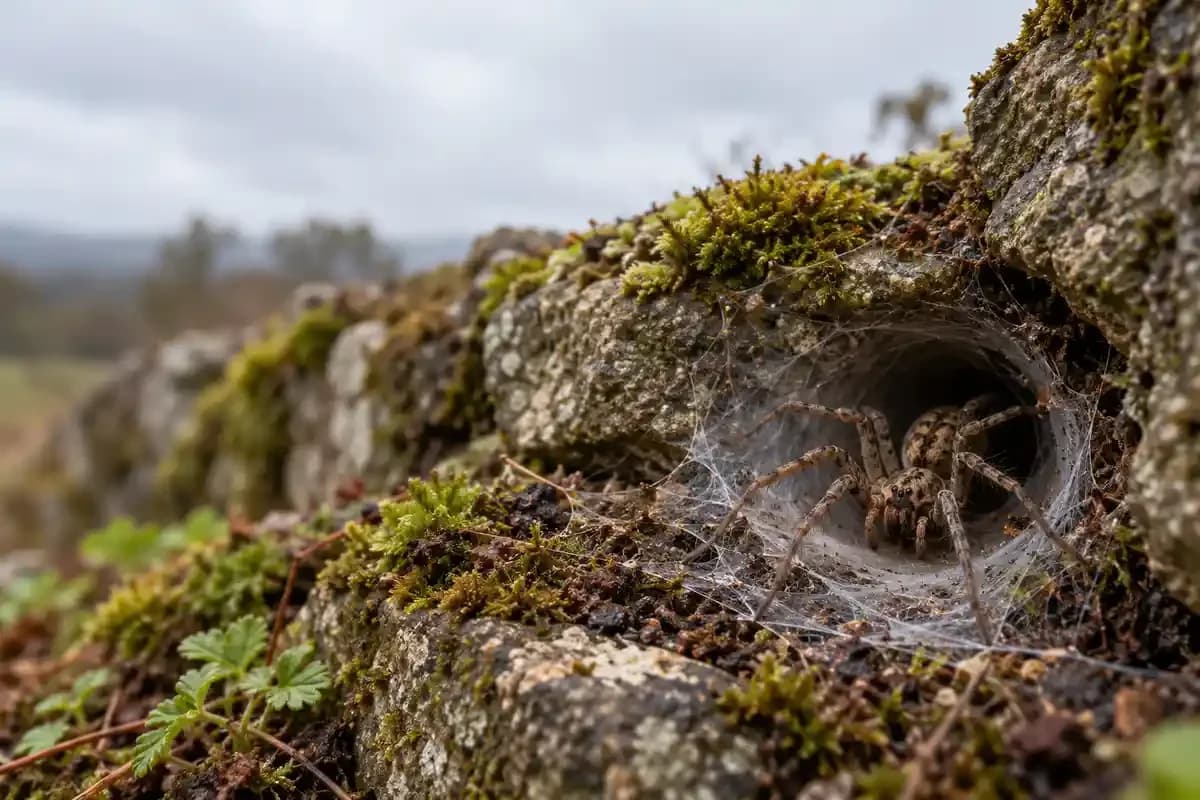
Hobo Spiders: Identification, Size and Are They Dangerous?
Read the guide →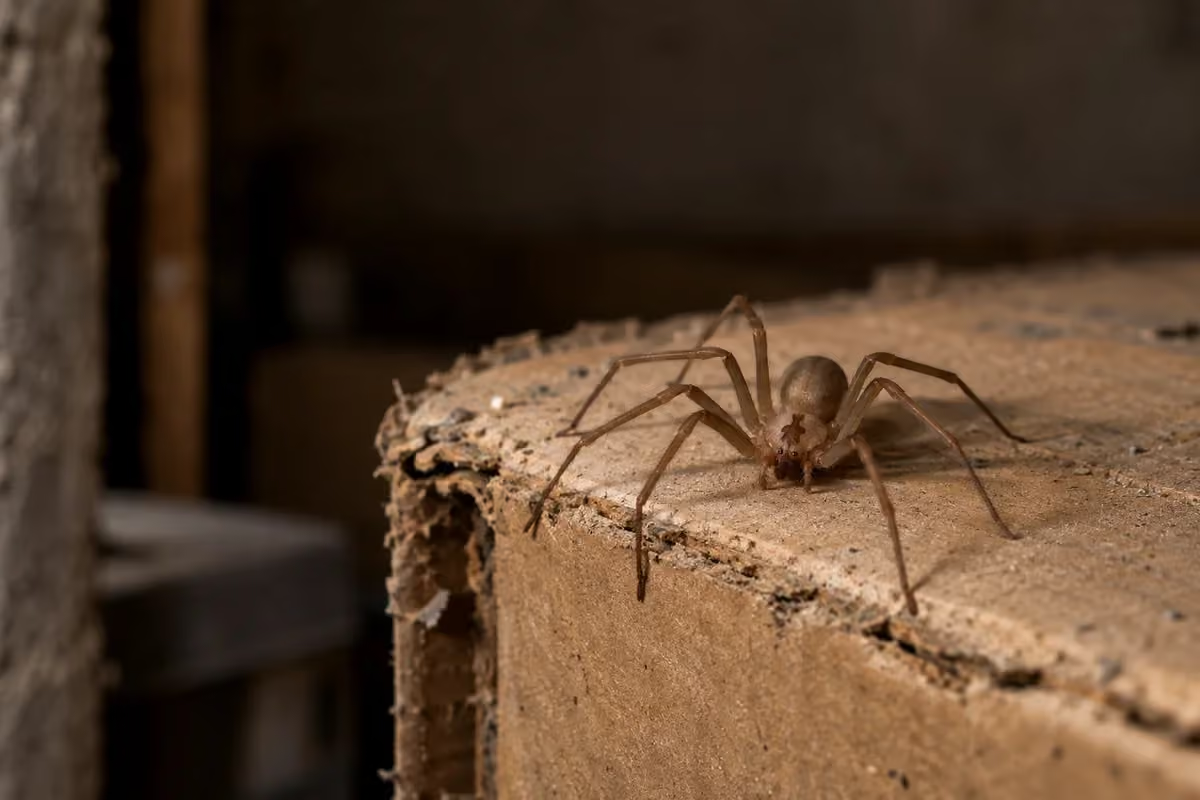
Brown Recluse Spider Facts: Size, Where They Live and Where They Hide
Read the guide →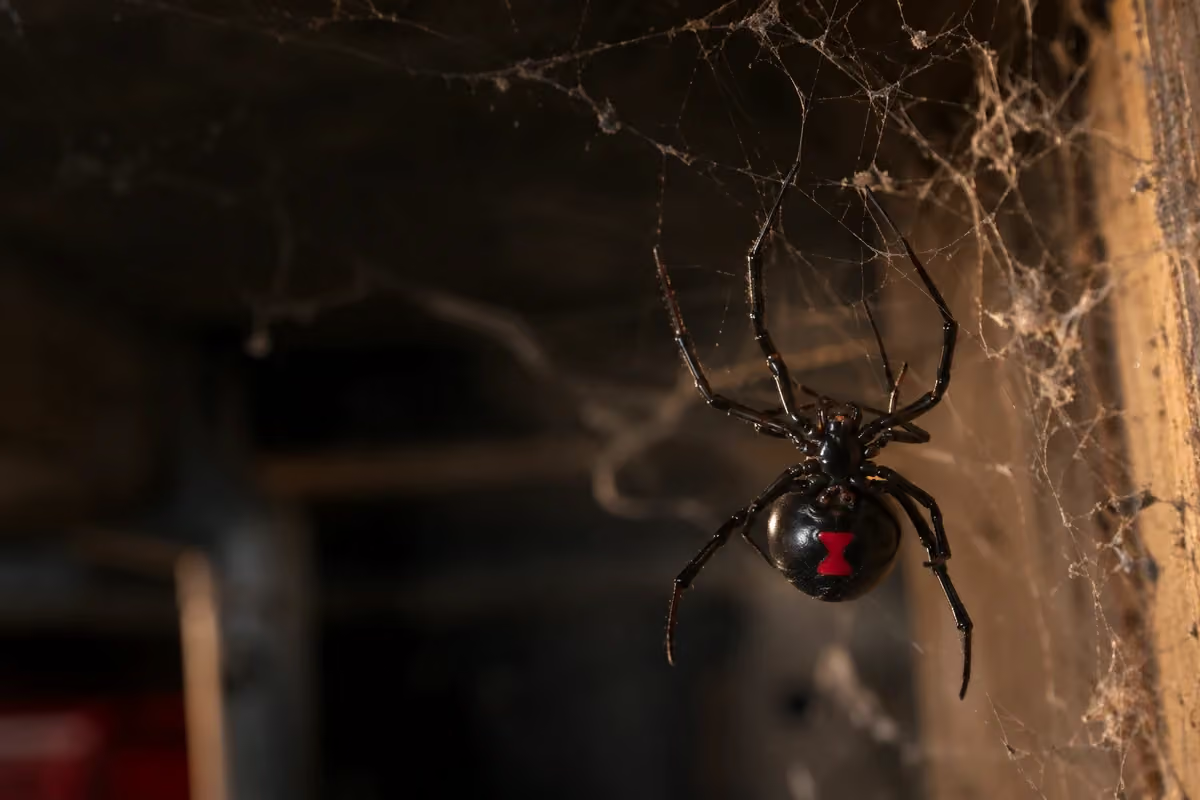
Black Widow Spiders: Types, Habitat and Facts
Read the guide →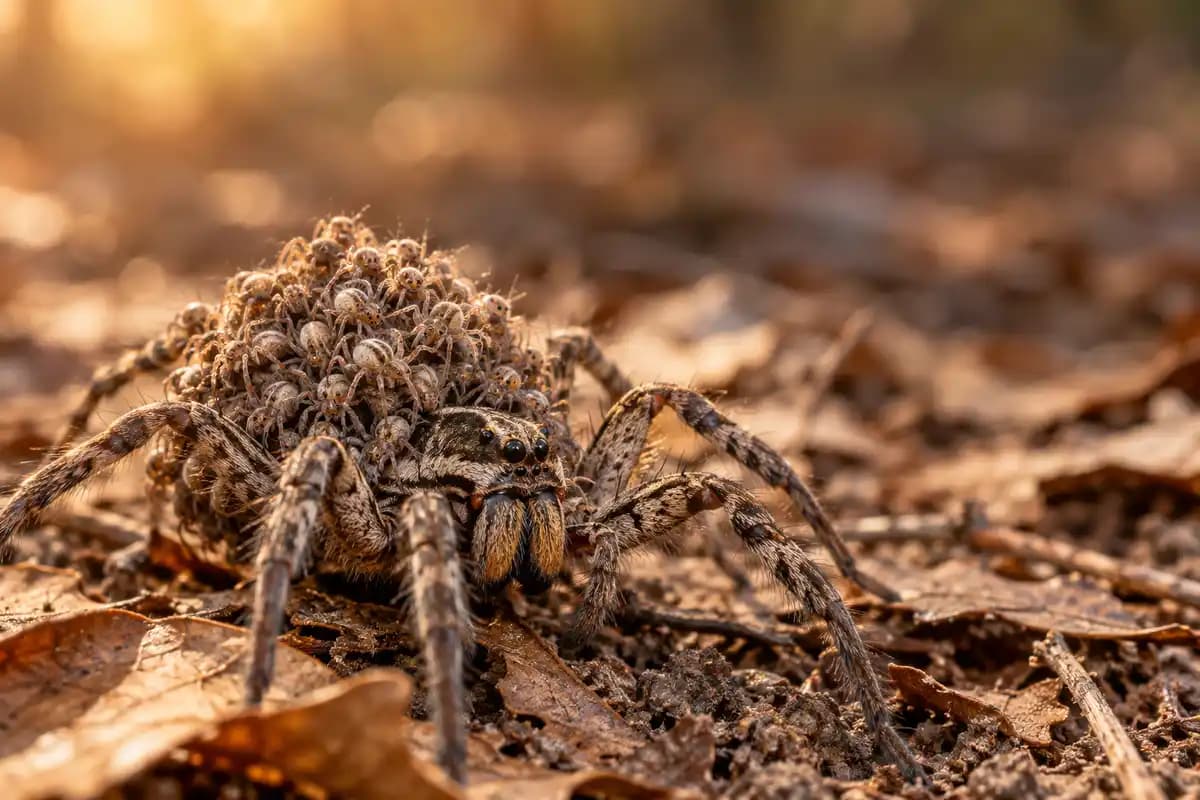
Wolf Spiders: Identification, Types and Are They Dangerous?
Read the guide →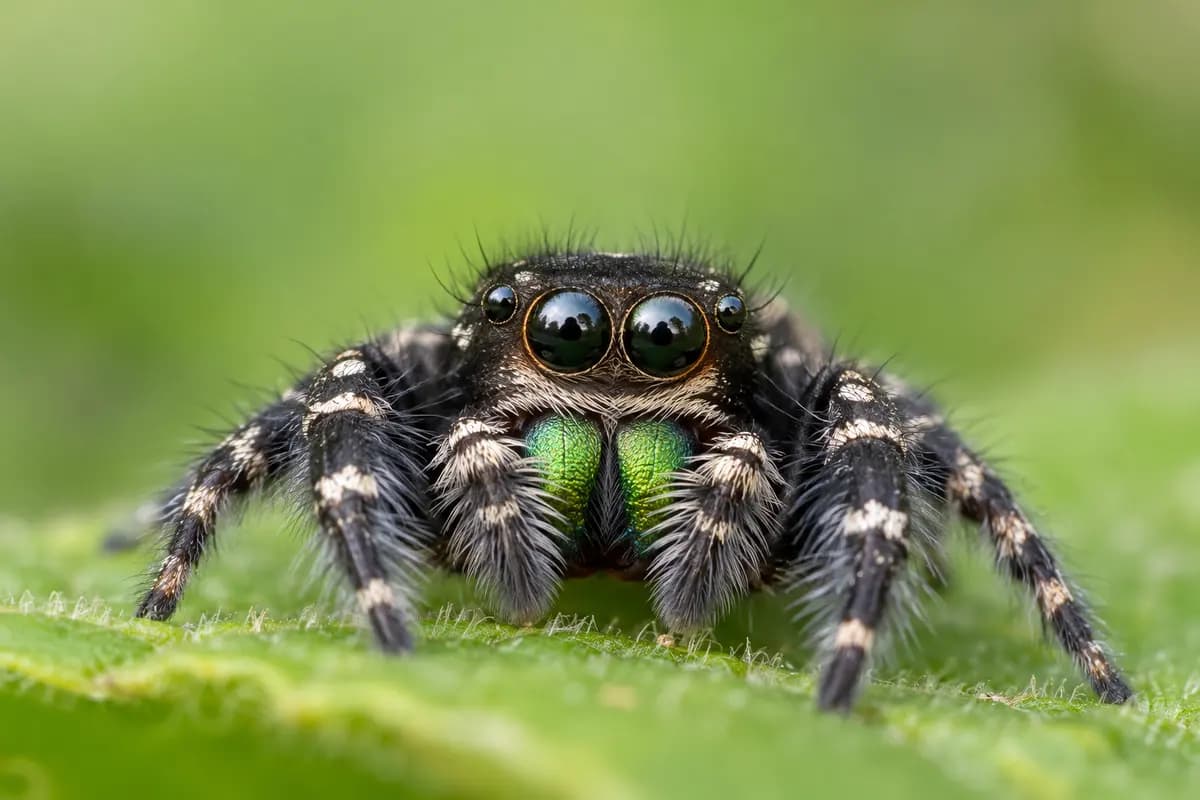
Jumping Spiders: How to Identify Them, Common Species and Facts
Read the guide →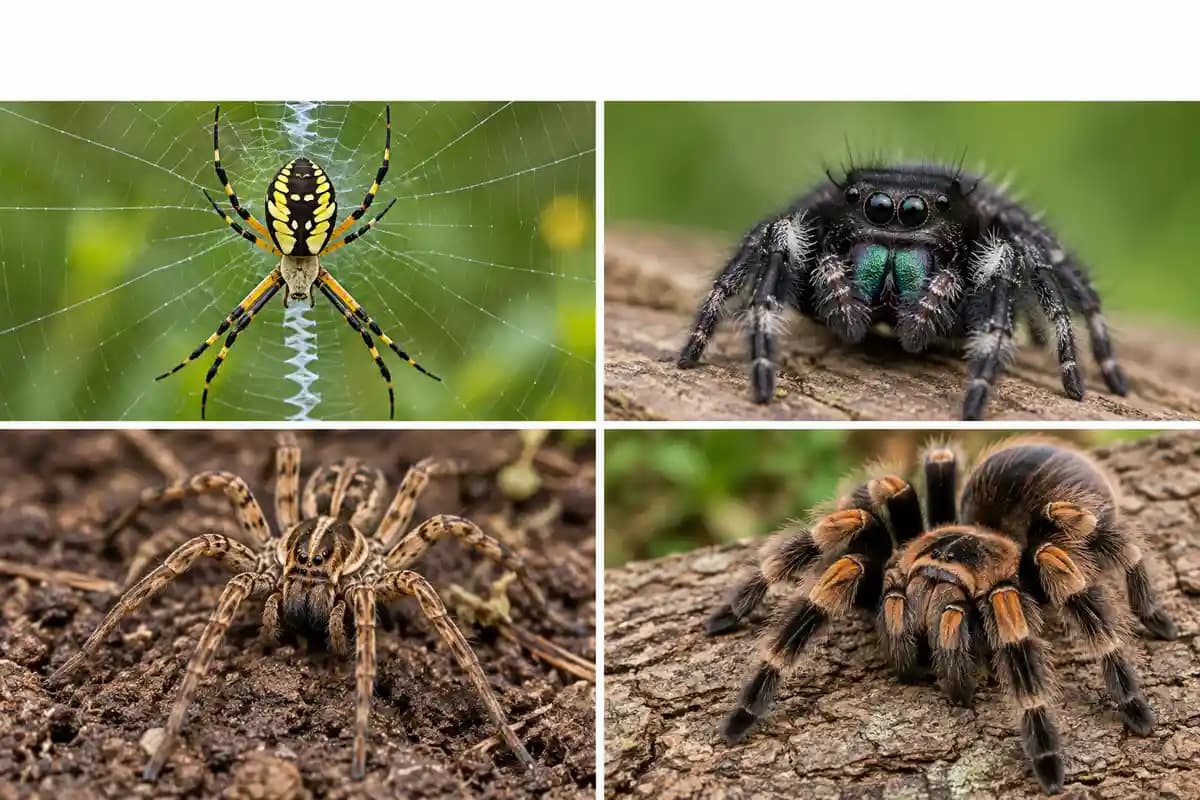
25 Common Spiders: Types, Names and Pictures
Read the guide →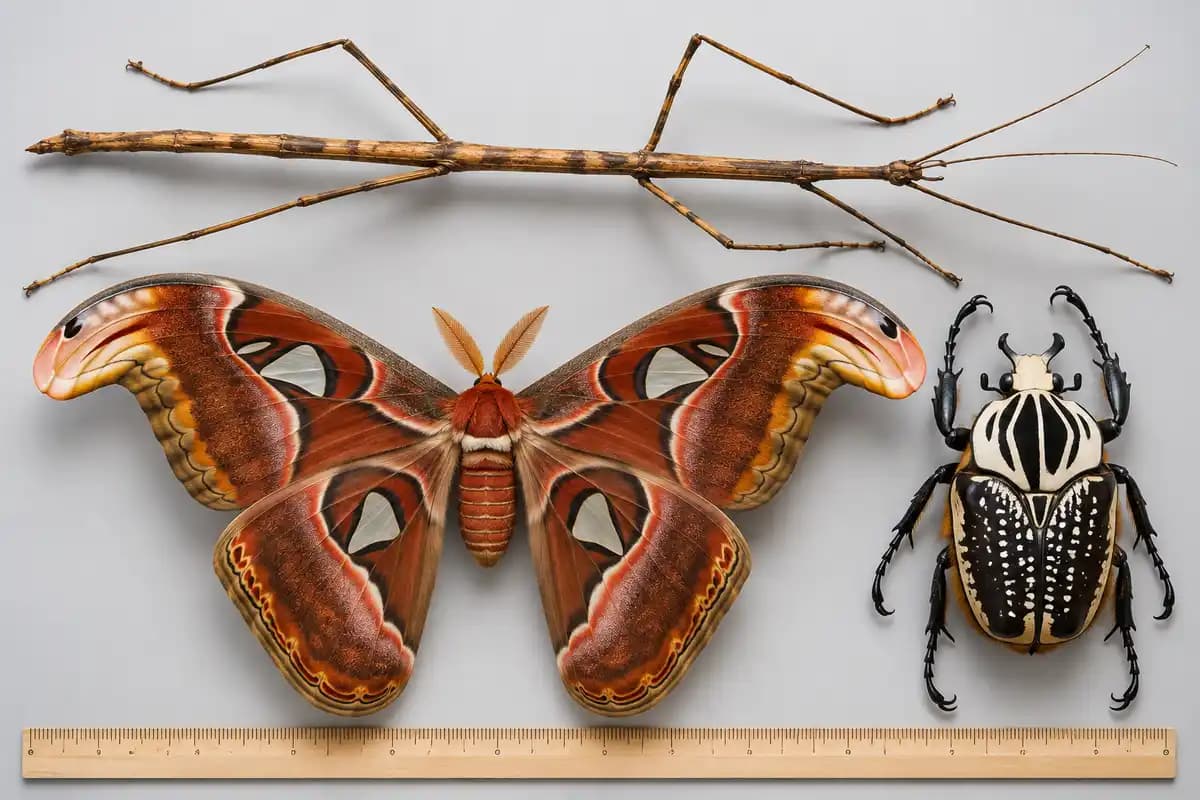
The Biggest Insects in the World by Length, Wingspan and Weight
Read the guide →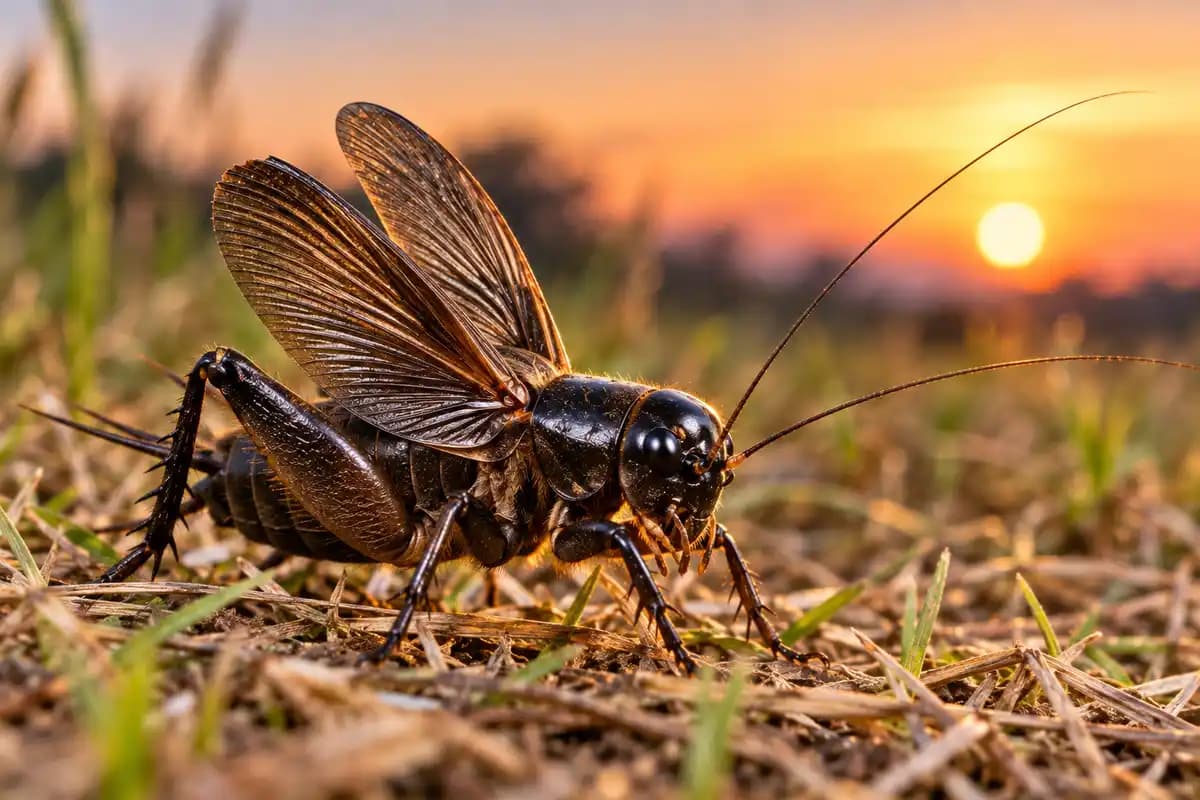
How to Identify Crickets: House, Field, Spider and Mole Crickets
Read the guide →
Walking Stick Insect Guide: Common Species and How to Spot Them
Read the guide →
Is a Bee an Insect? Butterflies, Ants, Caterpillars and More Explained
Read the guide →
Bee Identification: Bumblebees, Honey Bees and Carpenter Bees
Read the guide →
Insect Anatomy: The 3 Parts of an Insect Explained With a Diagram
Read the guide →
Types of Caterpillars: How to Identify Them and Avoid the Asp Caterpillar
Read the guide →
Is an Insect an Animal? Where Insects Sit in the Animal Kingdom
Read the guide →
Scale Insects on Plants: Soft Scale, White Scale and How to Treat Them
Read the guide →
State Insects of All 50 States, Including the Texas State Insect
Read the guide →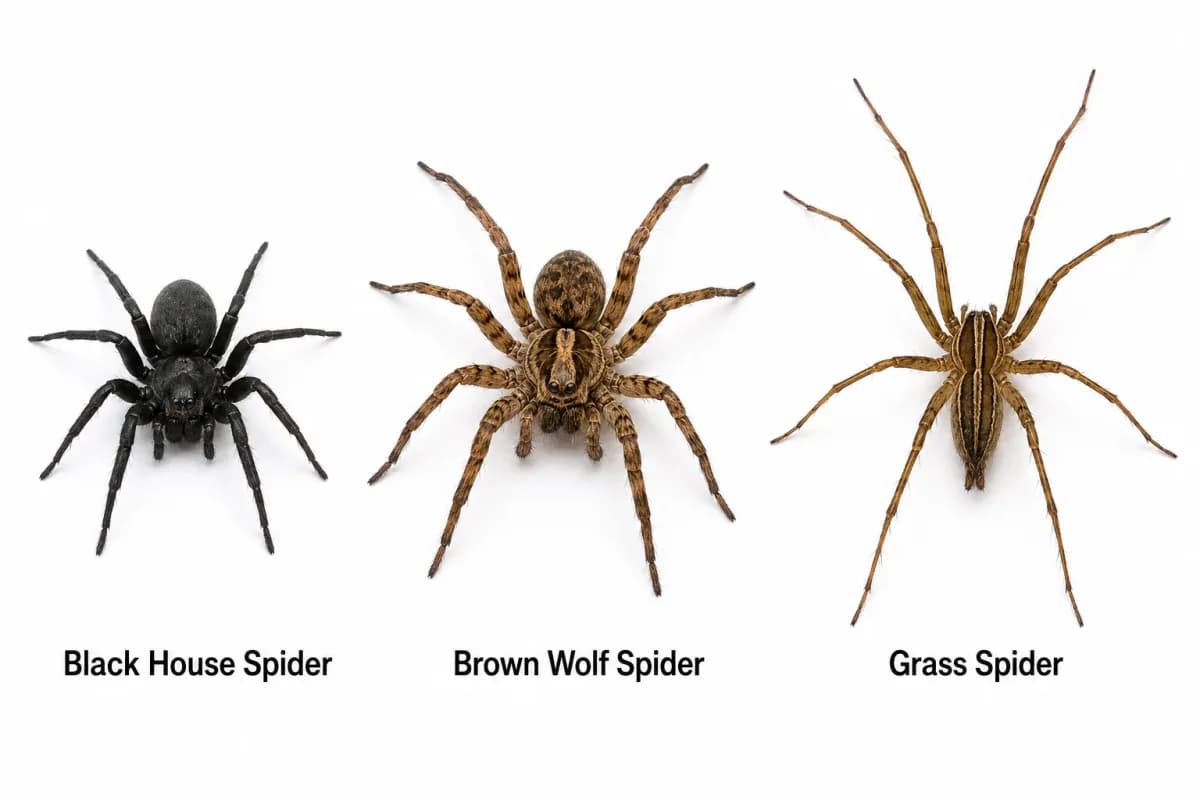
Black Spiders and Brown Spiders: Not Every One Is Dangerous
Read the guide →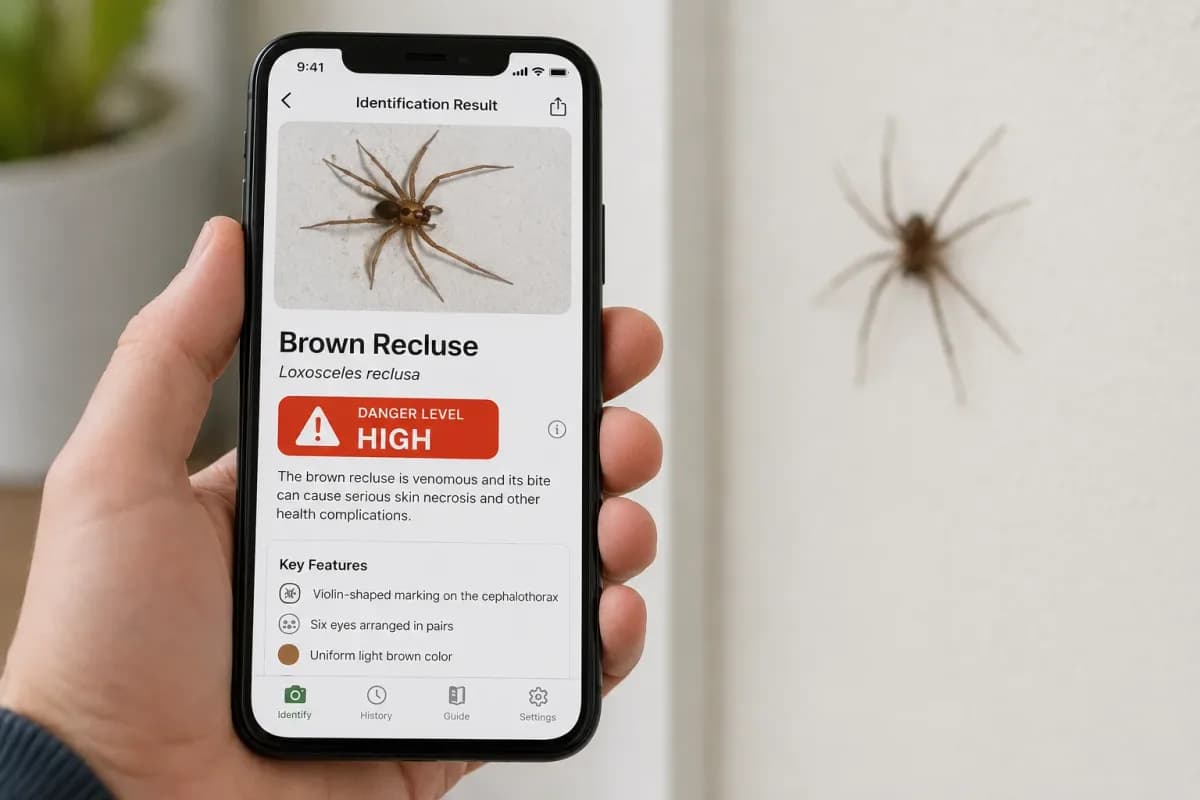
Do Spider ID Apps Tell You If It's Dangerous?
Read the guide →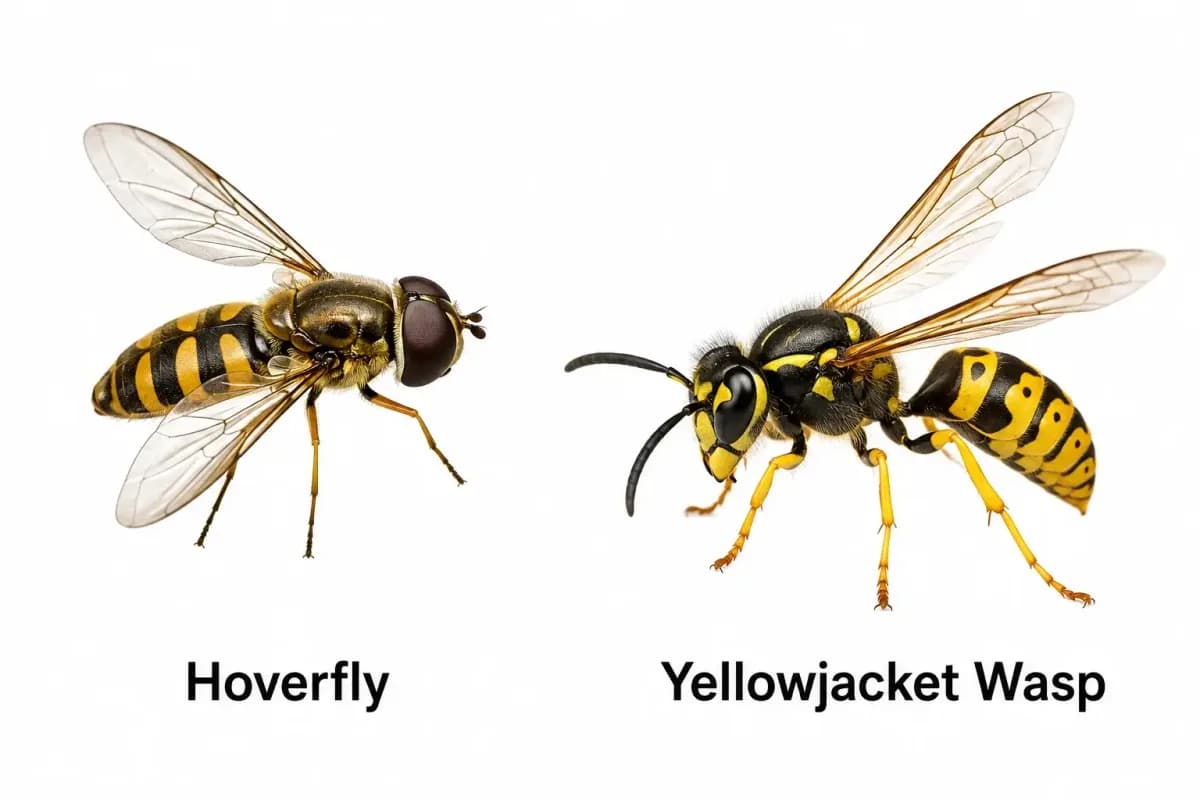
What Insect Is This? 20 Commonly Misidentified Insects
Read the guide →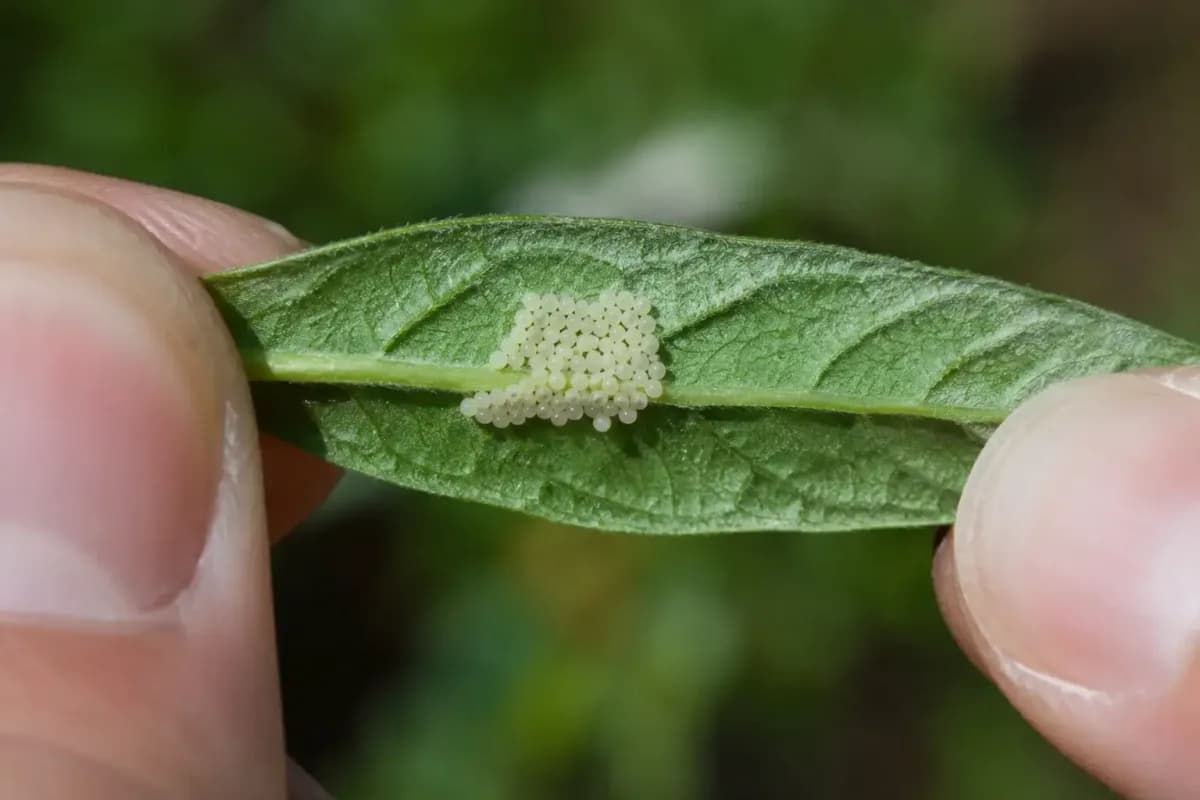
Apps and Tools for Identifying Insect Eggs and Larvae
Read the guide →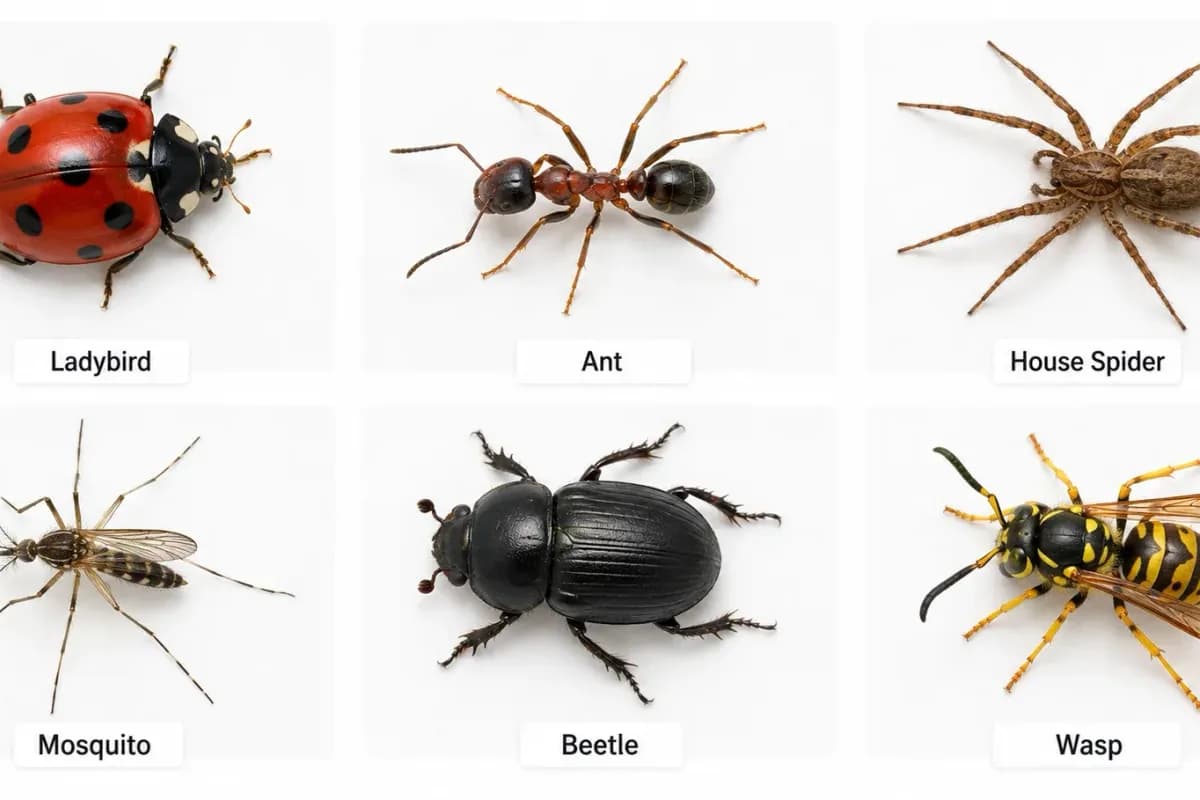
Bug Photo Gallery: Common Bugs Identified by Picture
Read the guide →
Best Free Bug Identifier Apps for Android and iPhone
Read the guide →
How to Identify Flying Bugs in Your House
Read the guide →
Carpet Beetles: Complete Identification and Removal Guide
Read the guide →
Bug Nests and Stings: Identify What's Living Near Your Home
Read the guide →
How Long Do Praying Mantises Live?
Read the guide →
What Do Ladybugs Eat? A Complete Diet Guide
Read the guide →