Professional Bed Bug Treatment: What to Expect
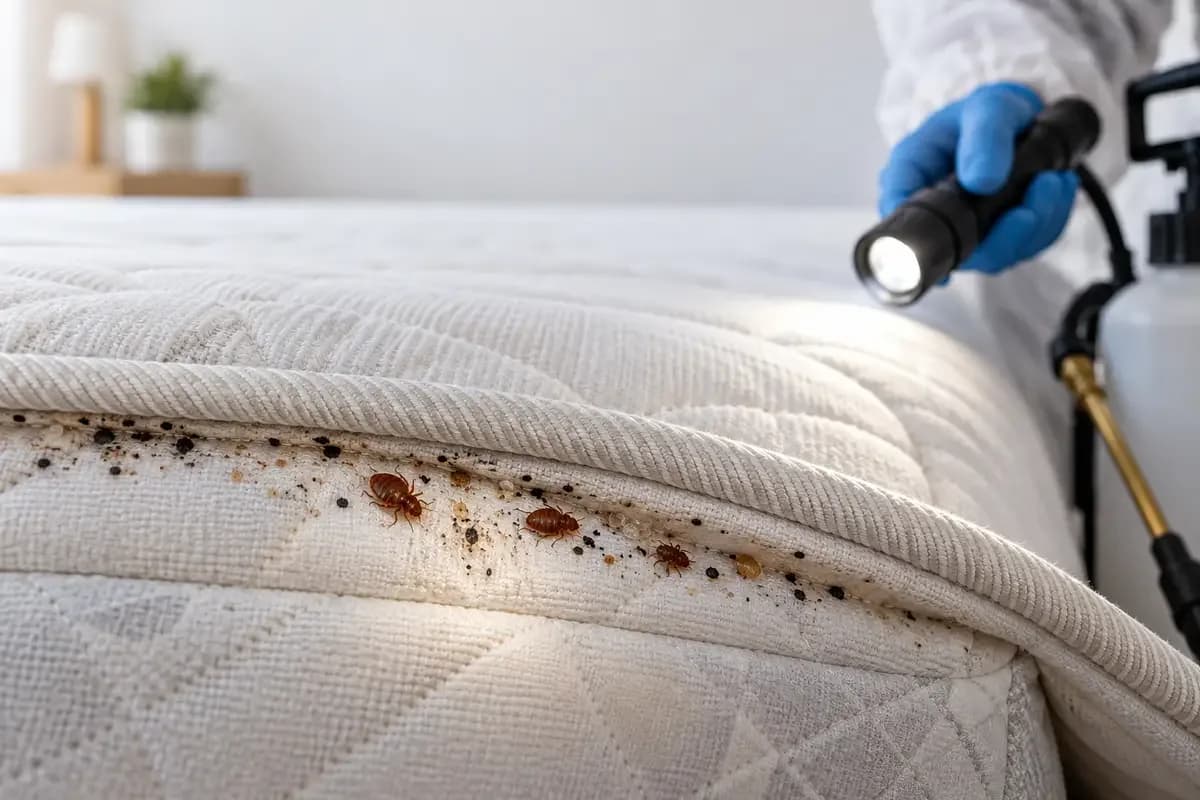
Professional bed bug treatment usually combines a detailed inspection with targeted insecticides, heat, physical removal or monitoring based on the infestation. The best plan depends on how far the bugs have spread, the building and what can be treated safely. This guide explains the process without recommending a specific company. The Bed Bugs hub can help you confirm the pest before arranging treatment.
How Does a Professional Confirm Bed Bugs?
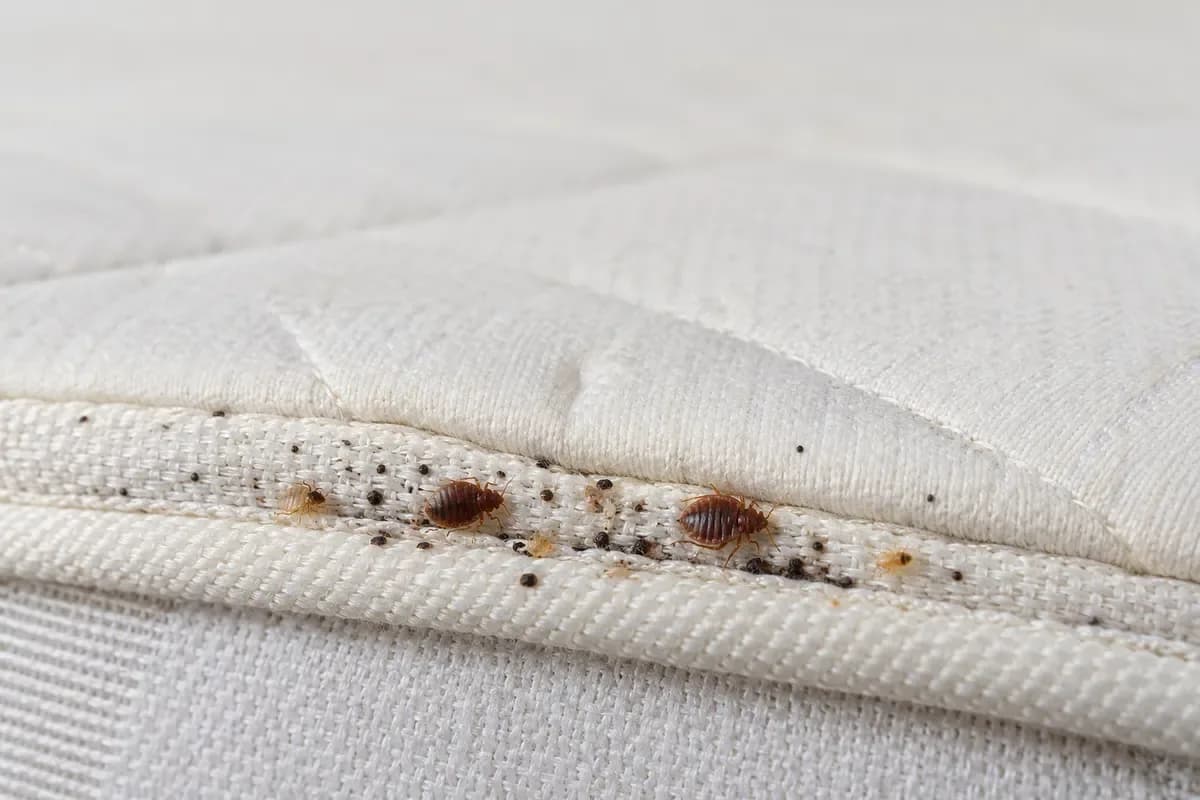
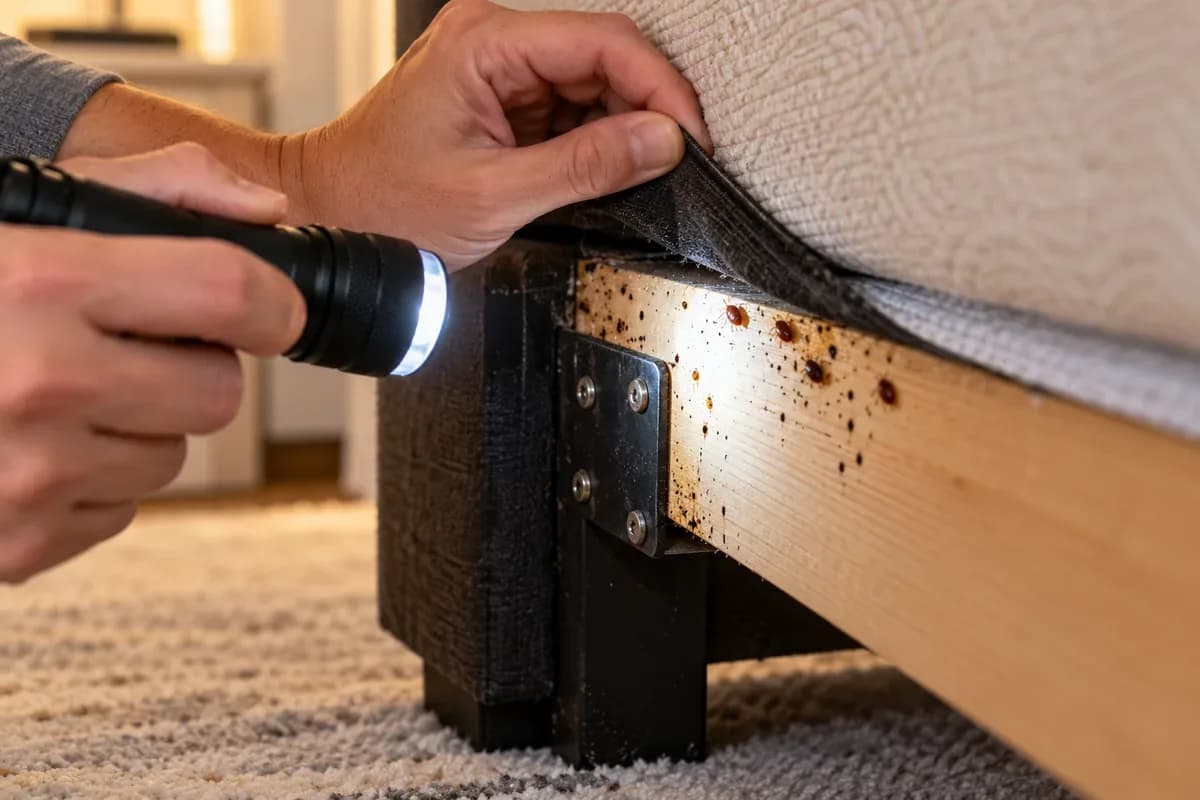
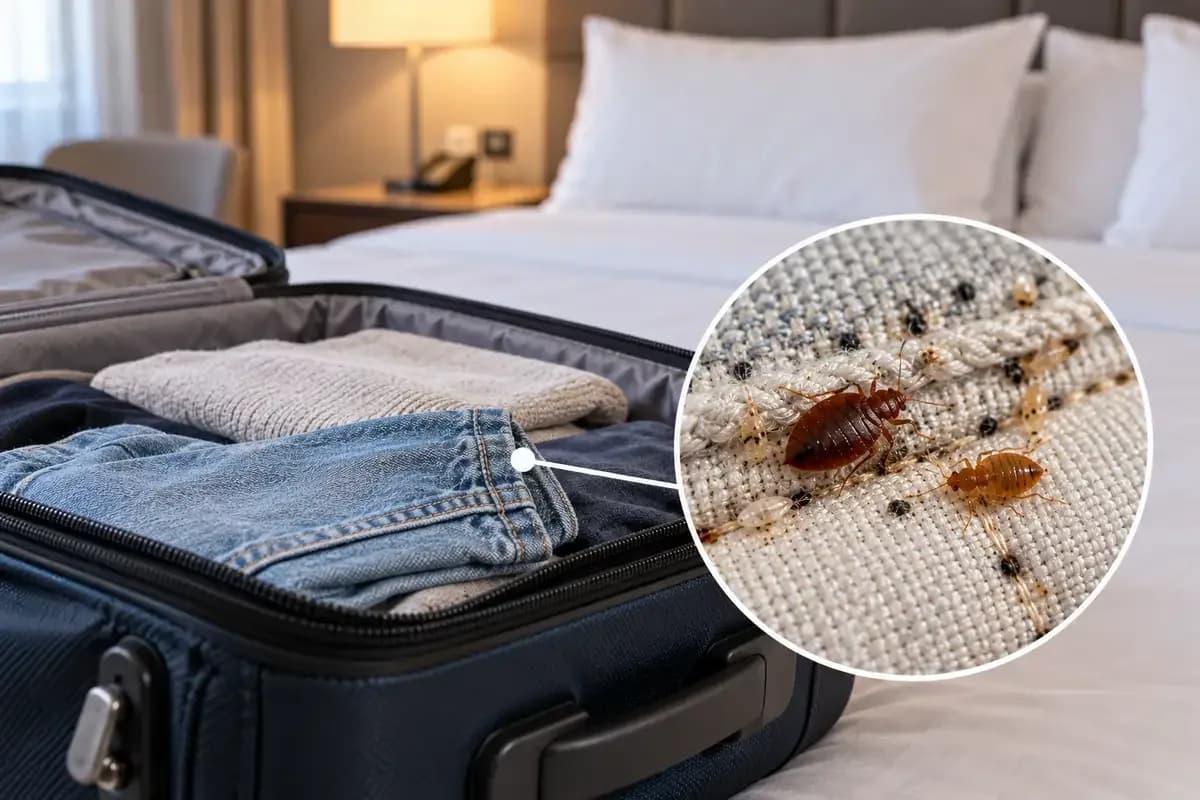
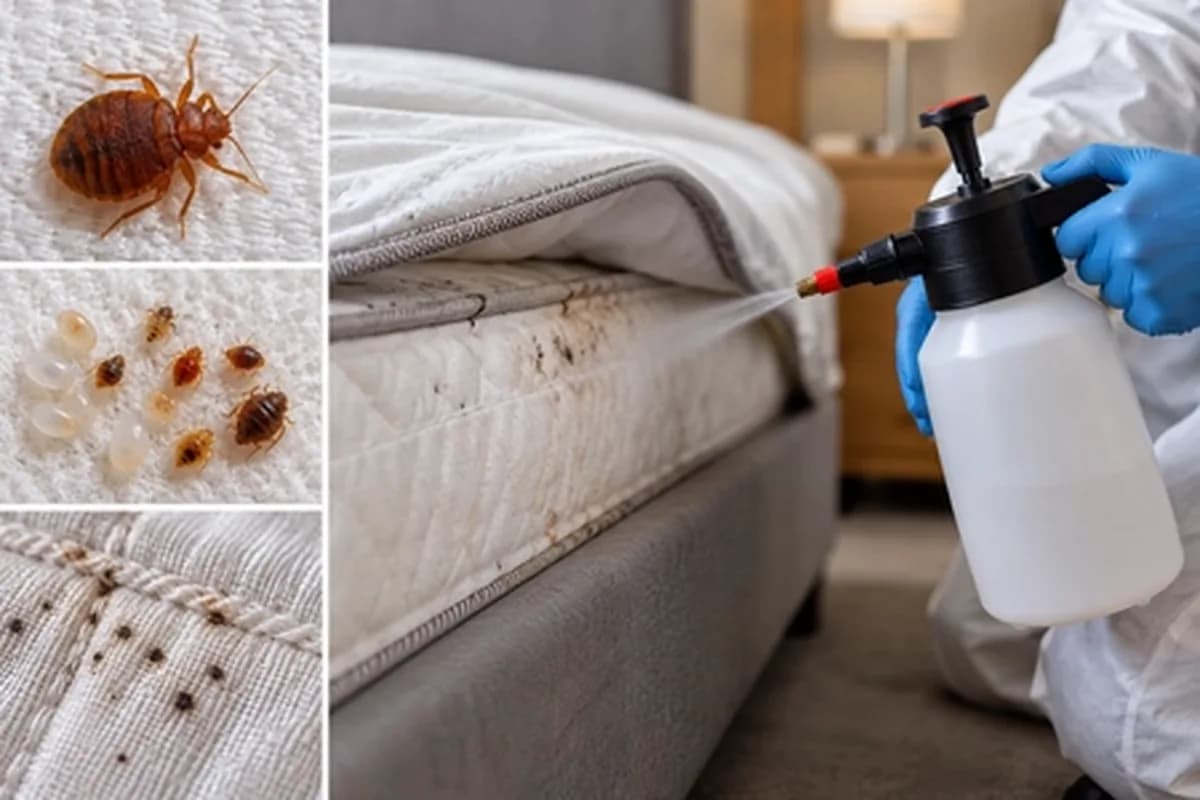
A technician should begin by looking for live insects and physical evidence rather than treating from bite marks alone. Inspection often covers mattress seams, box springs, bed frames, upholstered furniture, baseboards and nearby cracks.
A saved specimen or clear photo can speed up confirmation. In shared buildings, inspection may need to extend to neighboring units because bed bugs can move through structural gaps.
Chemical Treatment
Professional chemical programs use products labeled for bed bugs and apply them to specific hiding places. A program may combine different product types because bed bugs can resist some insecticides.
More than one visit is common because hidden bugs and eggs may survive the first service. Follow every preparation and reentry instruction provided by the licensed applicator and product label.
Professional Heat Treatment
Heat treatment uses commercial heaters and fans to raise temperatures throughout a room or structure. Success depends on getting lethal heat into cracks, furniture and other cool spots, not just warming the open air.
Virginia Tech notes that equipment, structure size, treatment time, air movement and technician attention all affect results. Heat can be effective, but preparation and monitoring still matter.
Integrated Pest Management
Integrated pest management combines several methods instead of depending on one pesticide. Inspection, vacuuming, encasements, heat, targeted products and monitoring can work together.
This approach also helps technicians measure whether activity is falling and identify areas that need another treatment.
How to Prepare for Treatment
Preparation instructions vary by method. You may be asked to bag fabrics, reduce clutter, move furniture, remove heat sensitive items or keep certain belongings in place. Follow the company instructions rather than using a generic checklist from another treatment method. For the do it yourself groundwork, see our bed bug removal step plan.
Do not move potentially infested furniture through the building unless instructed. Moving items can spread bugs into clean rooms or shared hallways.
What Happens After Treatment?
After treatment, continue monitoring for live bugs and new signs. Some programs include follow up visits or repeat applications. Ask in advance how the company defines success and what happens if activity continues.
Avoid cleaning treated cracks or removing monitoring devices earlier than instructed. If you see a bug, save or photograph it so the technician can assess whether it is live activity or a lookalike.
Not sure whether a bug you found after treatment is a live bed bug or a harmless lookalike? Upload a clear photo to the free ScanaBug identifier, then compare it with the lookalikes guide.
How to Choose a Bed Bug Professional
Look for appropriate local licensing, bed bug experience, a written treatment plan and clear follow up terms. Be cautious with guarantees that promise instant elimination without inspection or preparation.
Ask what methods will be used, what risks or limitations apply and what you must do before and after service. Local rules differ, so verify licensing requirements in your country or region. Treatment claims should be realistic, and a responsible provider should explain limitations rather than promising a result that cannot be verified.
Quick Comparison
This table summarizes the main methods a professional may combine. The right mix depends on the infestation, the building and what can be treated safely.
| Method | Typical use | Quick clue |
|---|---|---|
| Targeted insecticides | Cracks, furniture and harborages | Often needs follow up |
| Structural heat | Rooms or larger areas | Requires trained equipment and monitoring |
| Vacuum and physical removal | Visible bugs and debris | Support method |
| Encasements and interceptors | Beds and monitoring | Useful support |
| IPM program | Combines methods | Adapts to evidence |
Frequently Asked Questions
Sources and References
- US Environmental Protection Agency. Bed Bugs: Get Them Out and Keep Them Out.
- US Centers for Disease Control and Prevention. About Bed Bugs.
- University of Kentucky Entomology. Bed Bugs, ENTFACT 636.
- UC Statewide IPM Program. Bed Bugs, Pest Note 7454.
- Purdue University Entomology. Bed Bug Identification.
- Virginia Cooperative Extension. Bed Bug Heat Treatments: What You Need to Know.