Early Signs of Bed Bugs: 7 Clues to Check First
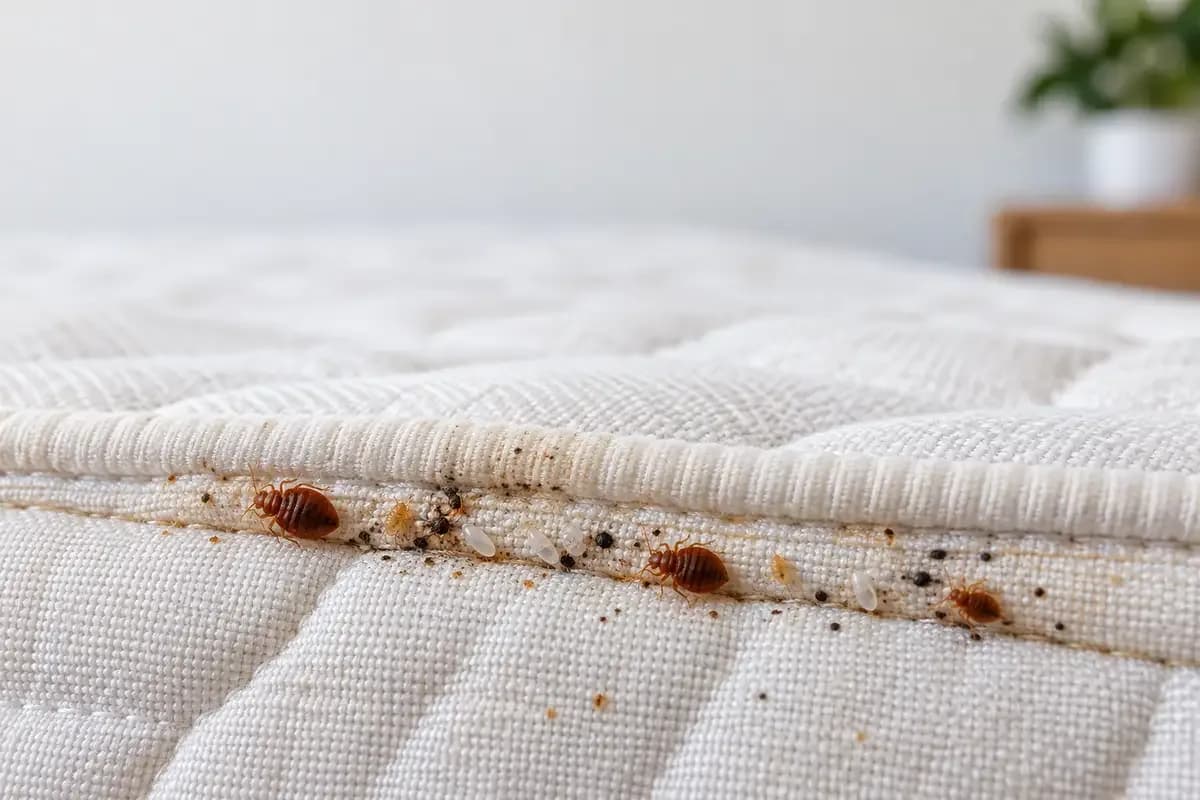
The earliest signs of bed bugs are usually small dark fecal spots, rusty stains, shed skins, eggs or a live bug hidden close to where people sleep. Bites can raise suspicion, but they do not confirm an infestation because many insects and skin conditions cause similar marks. Check physical evidence first. The Bed Bugs hub gives the full identification and treatment path once you find a convincing sign.
1. Dark Spots Along Mattress Seams
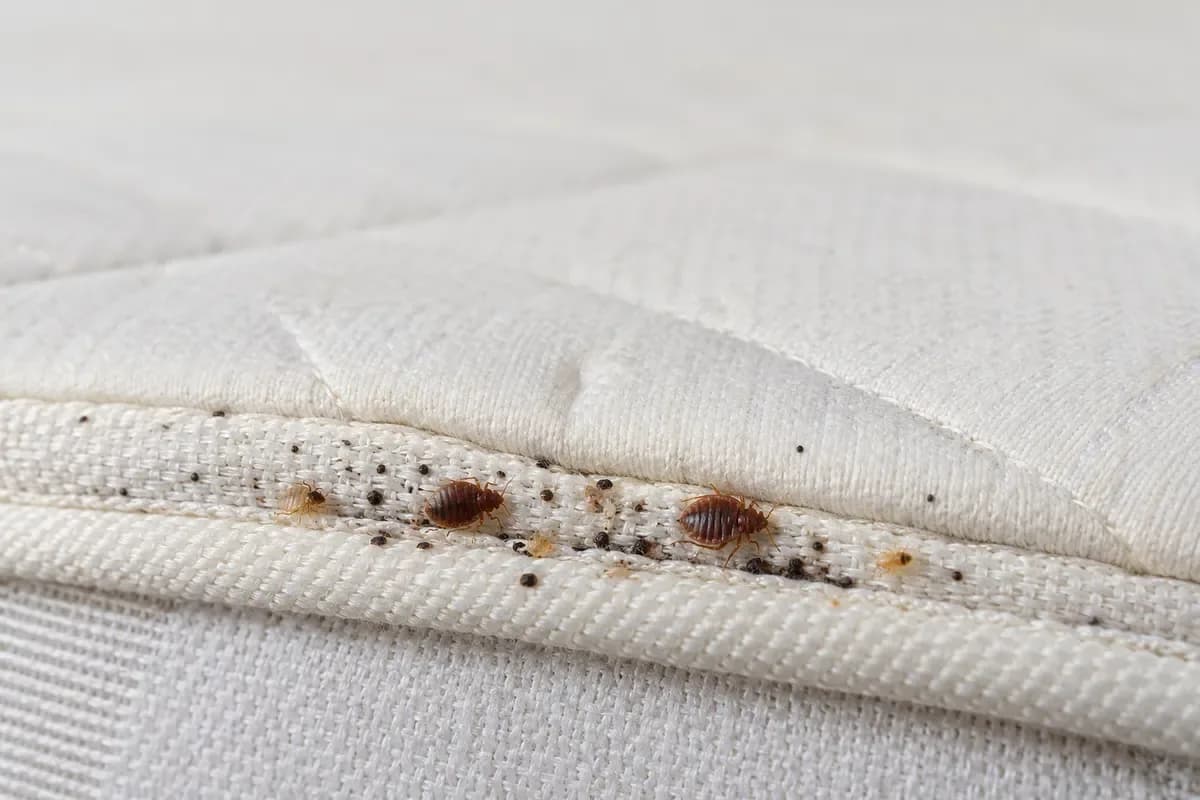
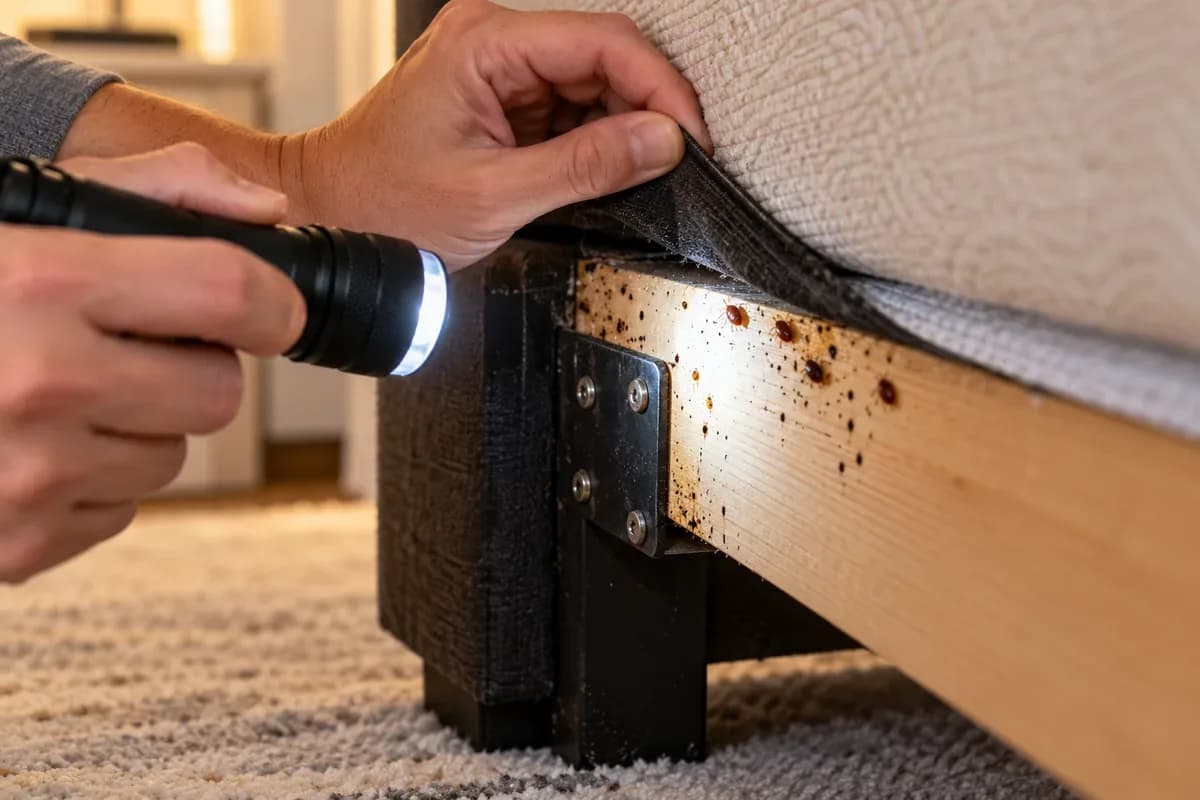
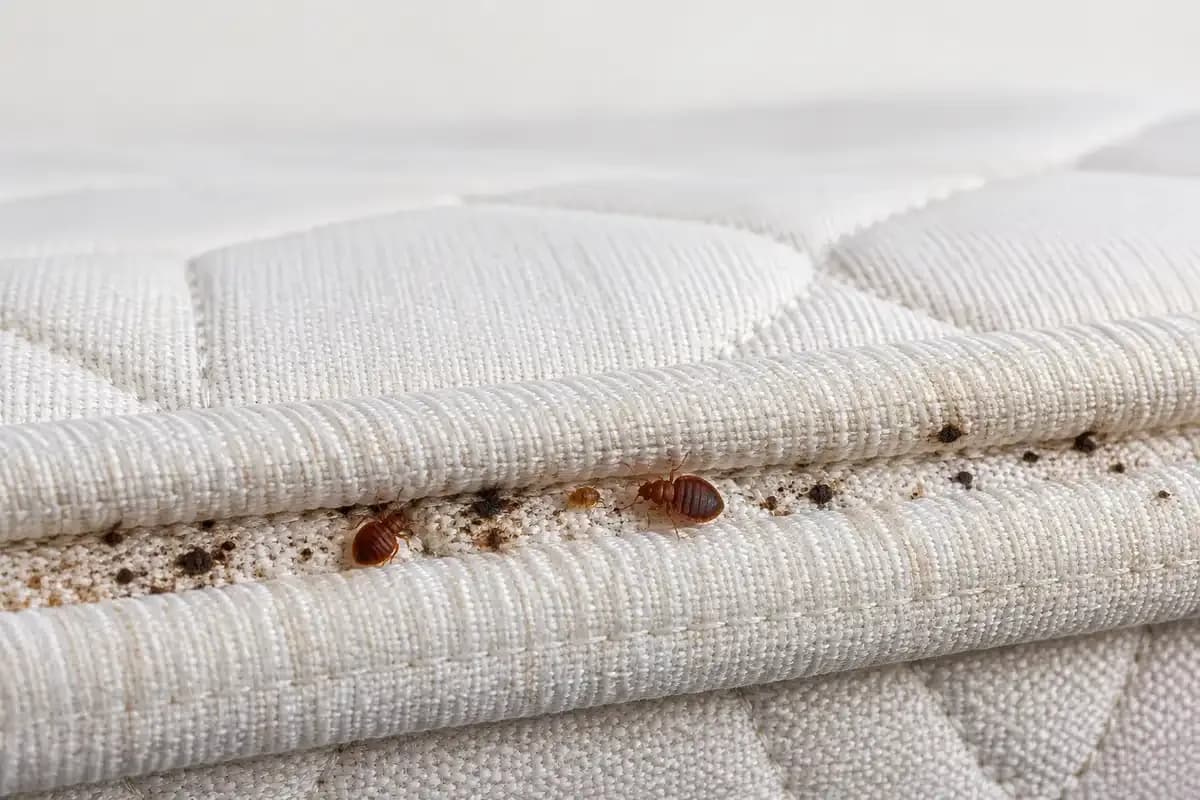
Small dark dots near mattress piping, bed frame joints or headboard cracks can be bed bug fecal marks. They are made from digested blood and often collect close to hiding places. A cluster of spots is more meaningful than one isolated mark.
Look at the underside of the mattress, labels and corners as well as the top. Similar dark marks can come from mold, dirt or other insects, so pair spotting with other evidence when possible.
2. Rusty or Red Stains on Sheets
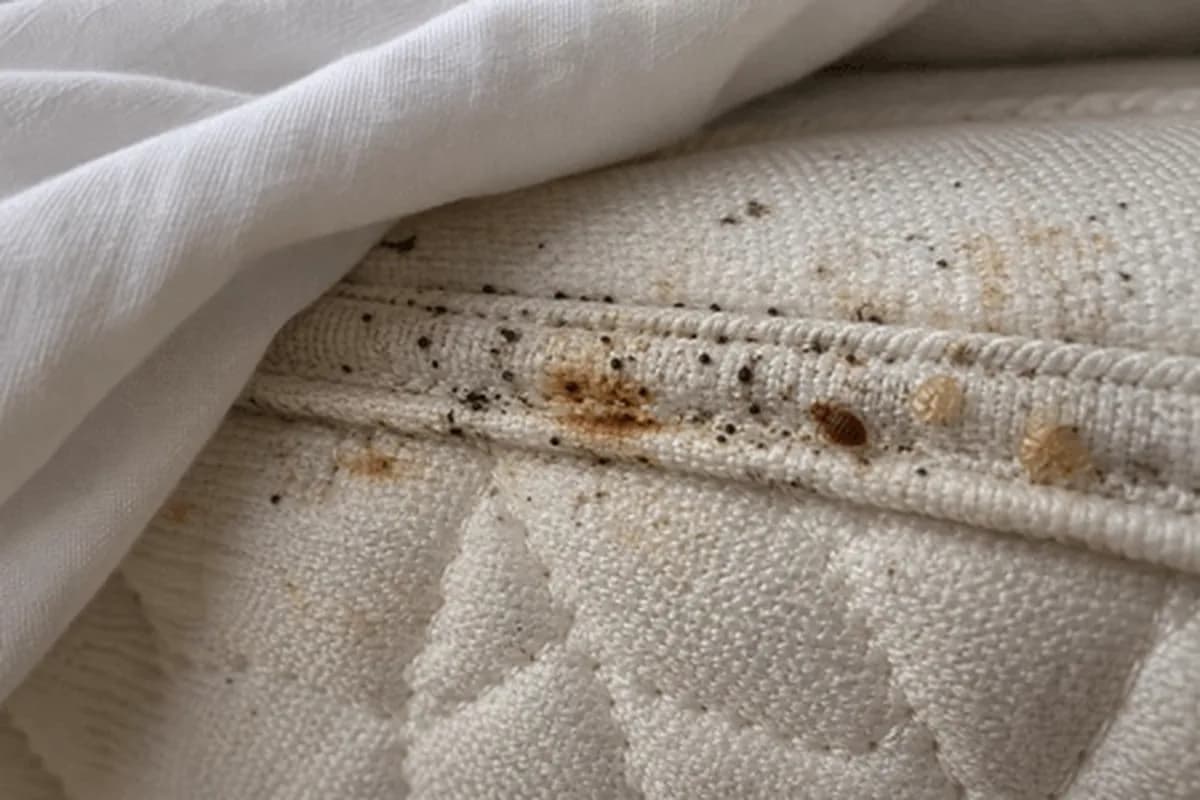
Rust colored marks on sheets or pillowcases can appear when a fed bug is crushed or when small amounts of blood transfer to fabric. These stains are a clue, not proof by themselves.
Fresh blood can have many causes. Check the nearby seam for bugs, shells, eggs or dark spotting before assuming a stain came from bed bugs.
3. Pale Shed Skins
Growing nymphs shed their outer skin between stages. The empty skins look like pale, hollow copies of a bed bug and may collect in protected cracks. They can be easier to find than live insects because they do not move away from light.
A clear shell with the broad bed bug body shape is useful evidence. If you are unsure whether a shell is a bed bug casing or a carpet beetle skin, compare it with our lookalikes guide.
4. Tiny White Eggs and Eggshells
Bed bug eggs are about 1 mm long and pale white. They are often placed in seams, screw holes and narrow cracks. Empty eggshells may remain after hatching.
Do not treat every white speck as an egg. Lint and fabric fibers are common around beds. Use magnification or a close photo if the object is too small to identify confidently.
5. Live Bugs in Hidden Areas
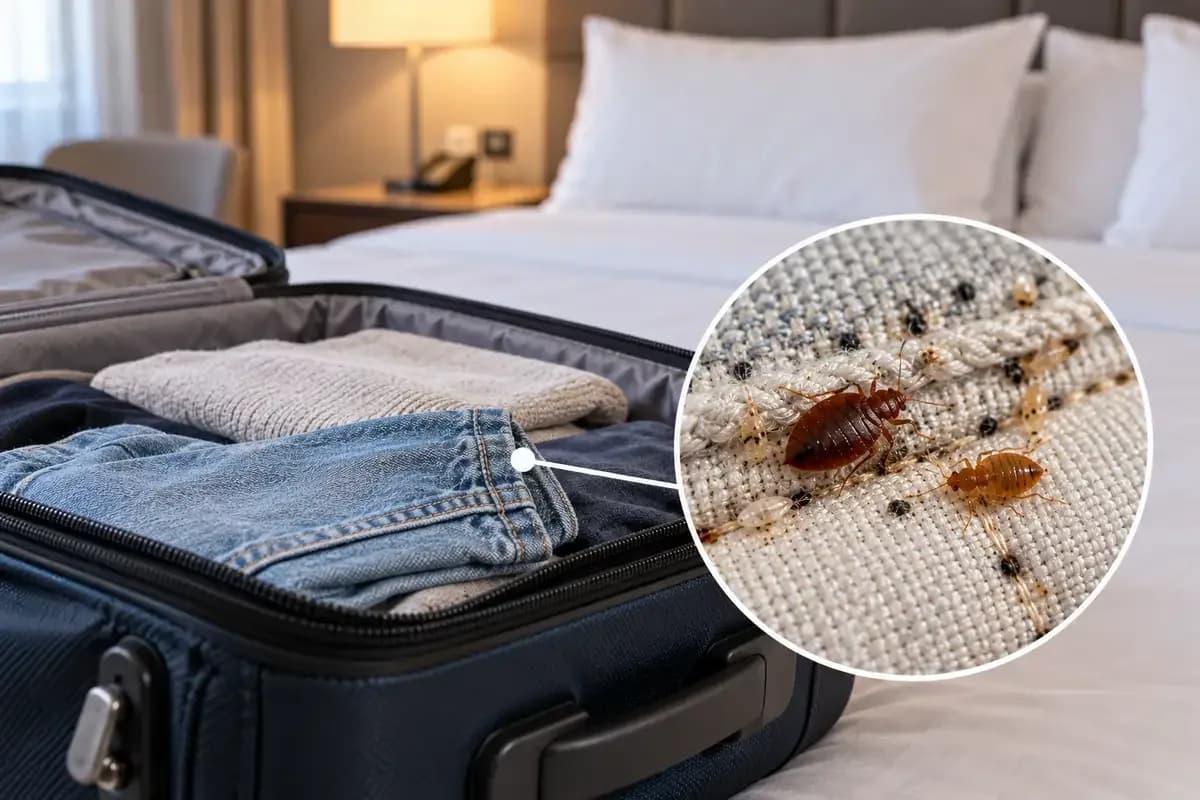
Finding a live bed bug is the strongest early sign. Start within about 2.4 m (8 ft) of the sleeping area, especially mattress seams, box spring corners, headboard joints and nearby furniture.
Small infestations may contain only a few insects, so a quick glance can miss them. Inspect slowly with a flashlight and a thin card that can expose narrow seams.
6. A Sweet Musty Odor in Heavier Infestations
A musty or sweet odor is associated with larger infestations, but smell is not a reliable early detection method. Many rooms have odors from fabrics, moisture or other sources.
Treat odor as supporting evidence only. Physical signs such as bugs, spotting, eggs and shed skins are more useful for confirming the problem.
7. Bites After Sleeping
Bites may appear in clusters, lines or scattered groups, but their pattern cannot prove bed bugs. Some people show little or no reaction, while others develop itchy red marks.
If you have marks but no physical bed bug evidence, use the Bug Bite Identifier and continue checking the room. This information is for general education and is not medical advice.
Quick Comparison
Early detection matters because a small infestation is usually easier to inspect and control than one that has spread through several rooms. Use this table to weigh how strong each clue is.
| Sign | Where to look | How strong |
|---|---|---|
| Dark fecal spots | Seams, frames, headboards | Strong when clustered with other signs |
| Rusty stains | Sheets and pillowcases | Supporting clue |
| Shed skins | Cracks and seams | Strong physical clue |
| Eggs | Protected cracks | Strong if correctly identified |
| Bites | Exposed skin | Weak alone |
Keep a simple record of dates, locations and photos when you find suspicious evidence. If a clue is convincing, move on to how to get rid of bed bugs.
Frequently Asked Questions
Sources and References
- US Environmental Protection Agency. Bed Bugs: Get Them Out and Keep Them Out.
- US Centers for Disease Control and Prevention. About Bed Bugs.
- University of Kentucky Entomology. Bed Bugs, ENTFACT 636.
- UC Statewide IPM Program. Bed Bugs, Pest Note 7454.
- Purdue University Entomology. Bed Bug Identification.