Bugs That Look Like Bed Bugs: 10 Common Lookalikes
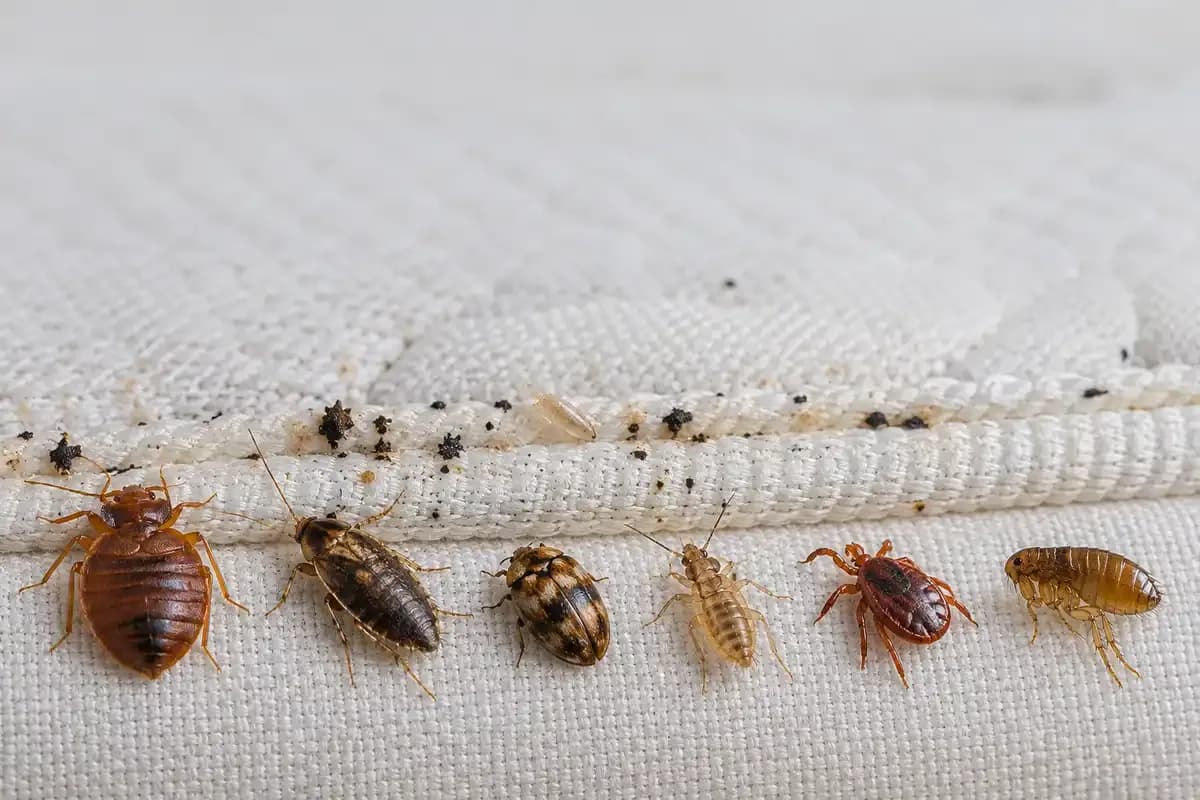
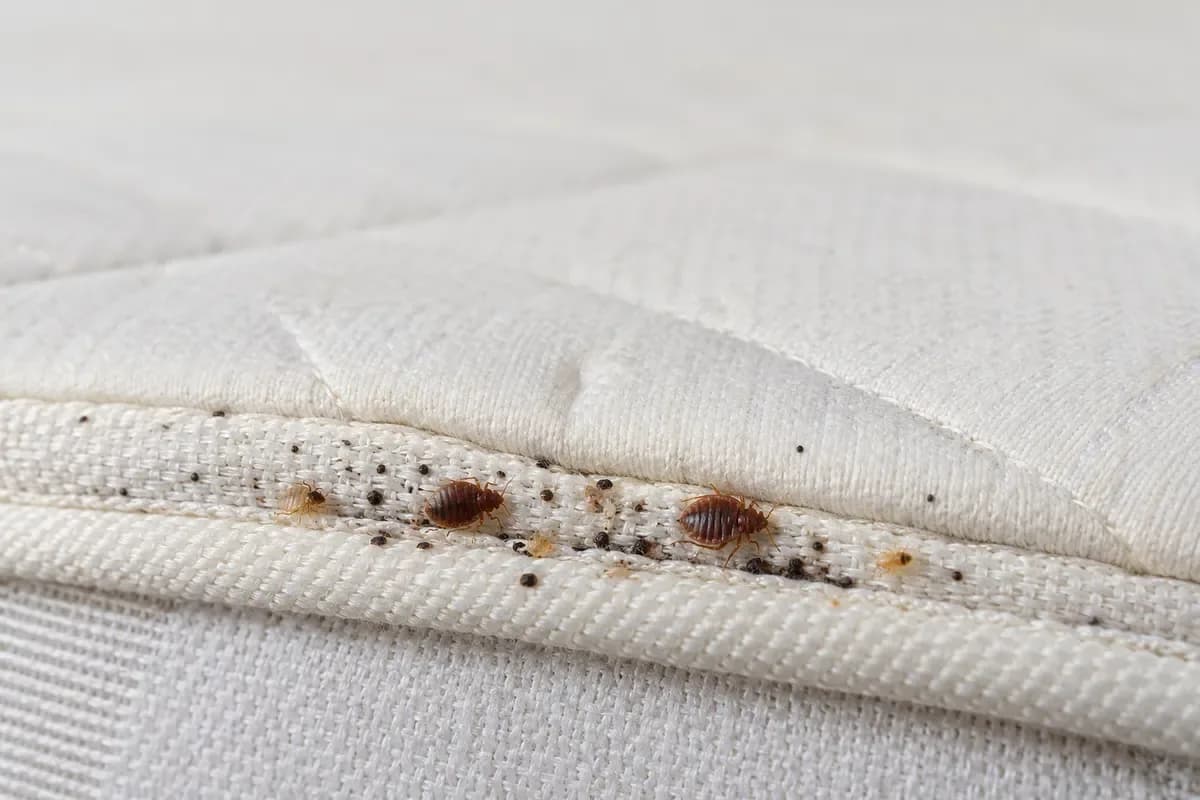
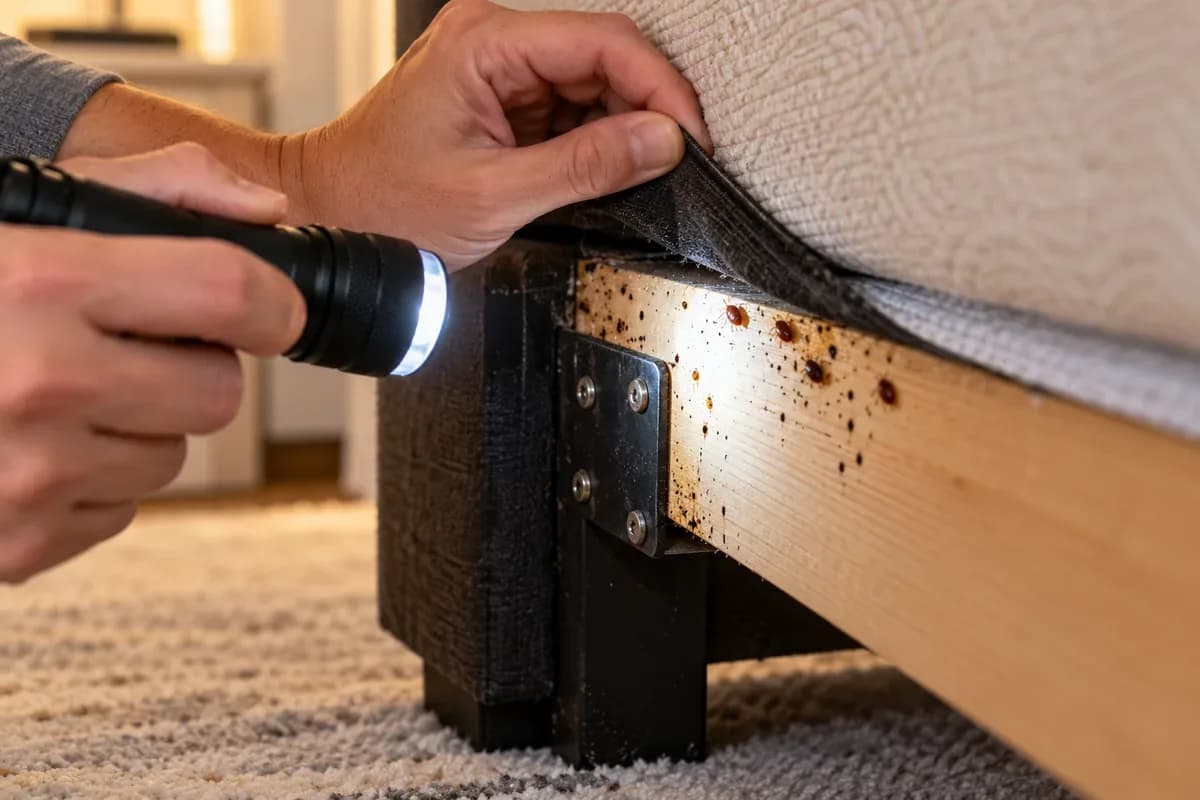
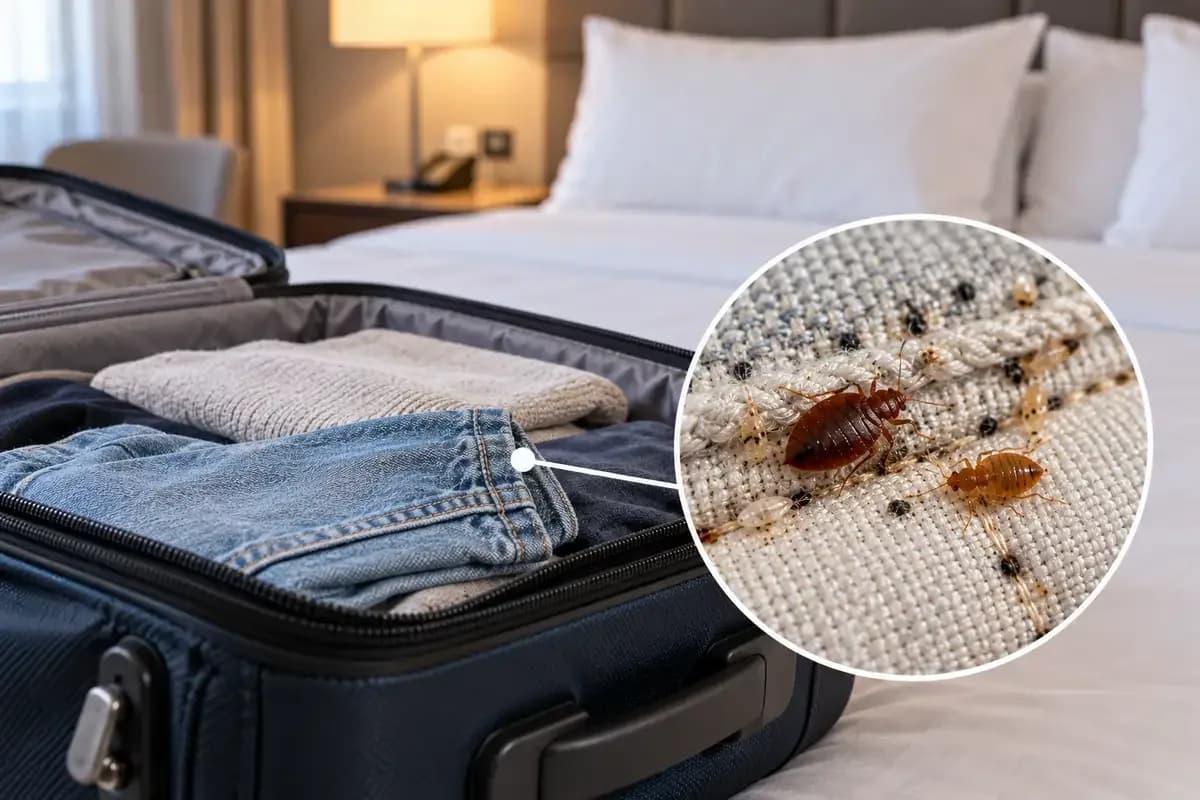
Bugs that look like bed bugs include bat bugs, carpet beetles, baby cockroaches, fleas, ticks, spider beetles and several other small household insects. The fastest differences are body shape, number of legs, ability to jump or fly and where the insect was found. Use the Bed Bugs hub for the complete bed bug identification checklist.
1. Bat Bugs
Bat bugs are among the hardest bed bug lookalikes to separate by eye. They have a similar flat oval shape and reddish brown color. The most useful differences can require magnification, including longer hairs around the pronotum.
Finding similar bugs near an attic or wall space with bats makes bat bugs more plausible. Host source matters because bat bugs normally feed on bats.
2. Carpet Beetles
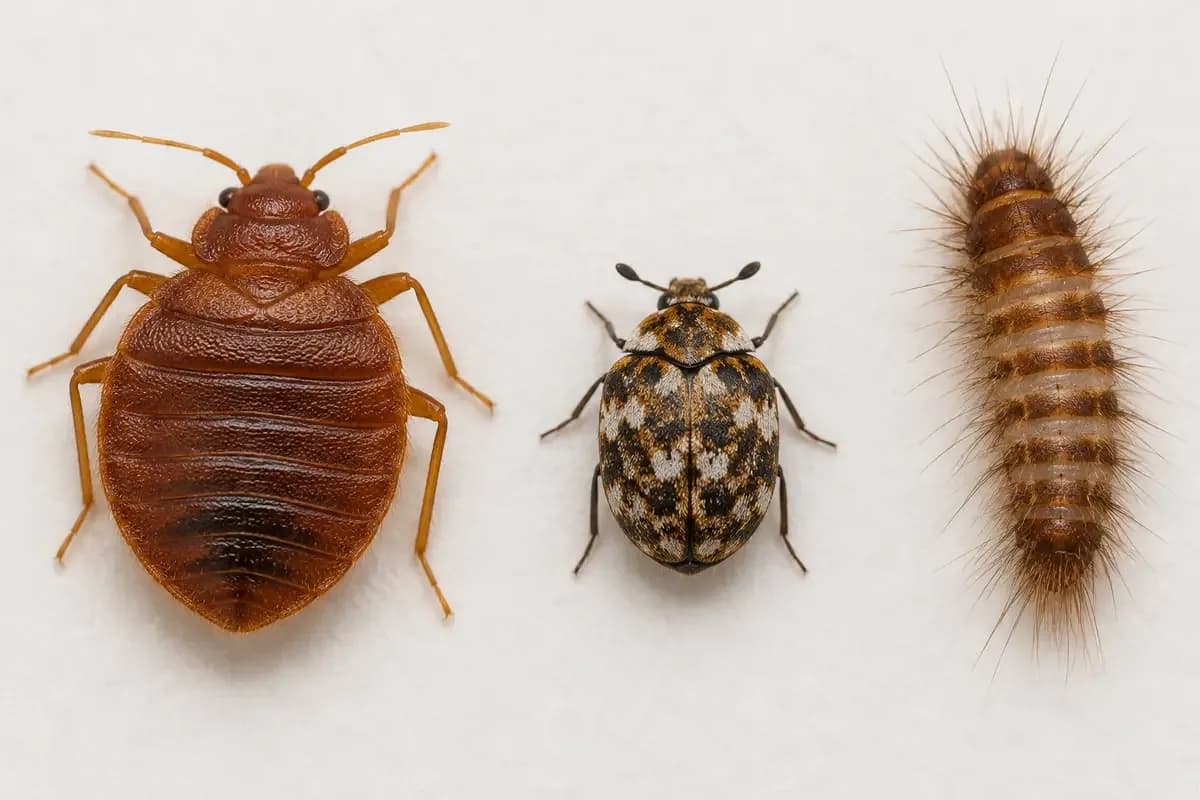
Adult carpet beetles are small, rounded beetles with a hard shell. Many have mottled black, white, brown or orange scales. Unlike bed bugs, adult carpet beetles can fly.
Carpet beetle larvae are hairy and elongated, which makes them very different from smooth, flat bed bugs. Shed larval skins are sometimes mistaken for bed bug evidence. For a full breakdown, see our carpet beetles identification guide.
3. Baby Cockroaches
Cockroach nymphs can be brown and small enough to cause confusion, but they are usually longer, faster and equipped with very long antennae. Their body is not as broadly oval and flat as a bed bug.
Cockroaches also tend to be associated with food, moisture and kitchen or bathroom hiding places, though they can wander into bedrooms.
4. Fleas
Fleas are narrow from side to side and have powerful hind legs for jumping. Bed bugs are broad and flat from top to bottom and cannot jump.
If the insect disappears with a jump when disturbed, it is not behaving like a bed bug. Flea infestations are often connected with pets or animal resting areas.
5. Ticks
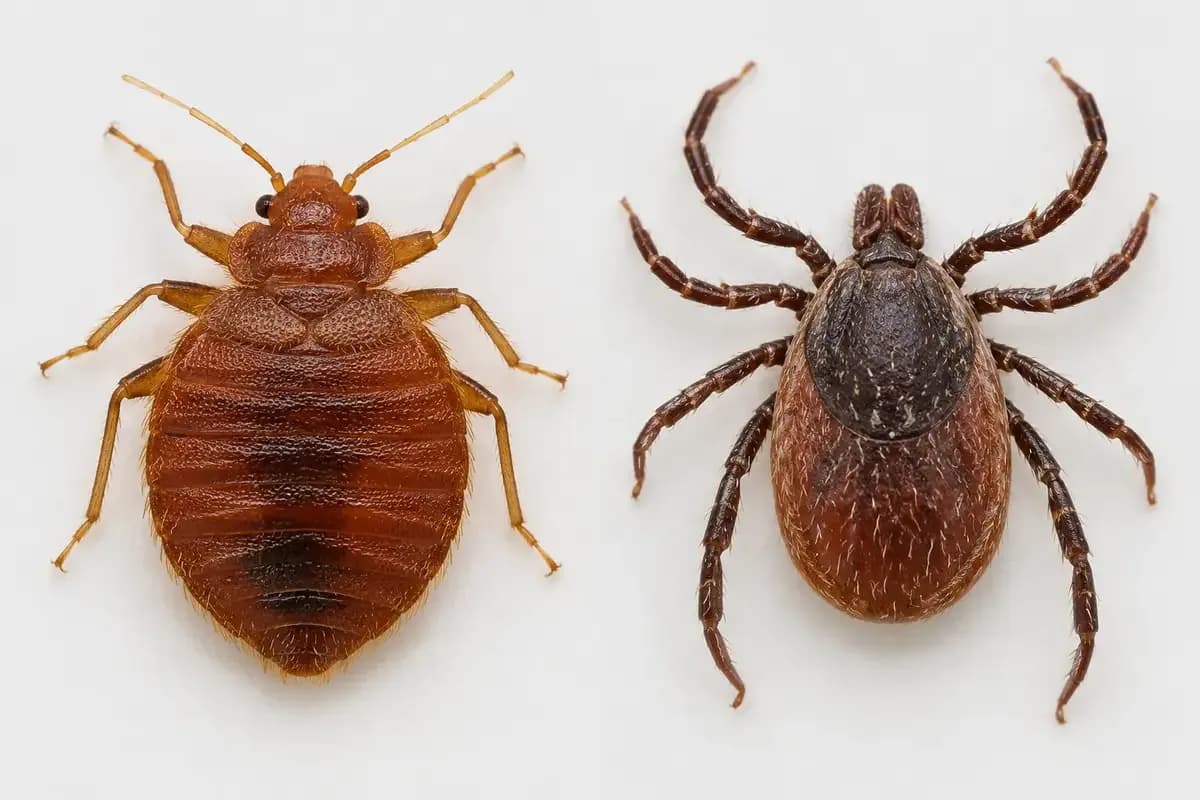
Ticks are arachnids, so adults and nymphs have eight legs rather than six. Their body can look rounded or teardrop shaped, especially after feeding.
A tick may remain attached to skin while feeding. Bed bugs feed and then return to a hiding place rather than living attached to a person.
6. Spider Beetles
Spider beetles are small, rounded beetles with a shiny body and long legs. Some species are reddish brown, which can create confusion in poor light.
Their hard, globular body is unlike the flat oval abdomen of a bed bug. They are usually associated with stored food or organic material.
7. Booklice
Booklice are tiny, soft bodied insects that favor humid places. They are much smaller and more delicate than adult bed bugs and often appear pale or translucent.
They feed on molds and microscopic material rather than blood. Moisture problems can make them more noticeable indoors.
8. Swallow Bugs
Swallow bugs are close relatives of bed bugs and can look very similar. They are normally associated with bird nests, especially swallow nests on or near buildings.
When bird nesting activity is present, a specimen may need expert identification because visual differences are subtle.
9. Head Lice
Head lice are adapted to live among human hair and have a more elongated body with strong grasping legs. Bed bugs do not live in hair.
A bug repeatedly found attached to scalp hair is more consistent with lice than bed bugs.
10. Small Beetles and Other Household Bugs
Several tiny brown beetles can wander onto beds. Hard wing covers, a rounded shell or obvious flight are strong clues that the insect is not a bed bug.
When the shape is unclear, photograph the insect from directly above and from the side. Size context from a ruler or coin also improves comparison.
Quick Comparison
A useful comparison starts with anatomy, not bite patterns. Many bites look alike, while an insect photo can show legs, body shape, wings and antennae. Use this table to narrow the field quickly.
| Insect | Legs | Movement | Quick clue |
|---|---|---|---|
| Bed bug | 6 legs | Crawls | Flat oval, no wings |
| Flea | 6 legs | Jumps | Narrow side profile |
| Tick | 8 legs | Crawls | Arachnid body |
| Carpet beetle | 6 legs | Crawls and flies | Hard patterned shell |
| Baby cockroach | 6 legs | Runs fast | Long antennae |
| Bat bug | 6 legs | Crawls | Very close bed bug relative |
When a specimen is very small, do not crush it before taking photos. A preserved specimen is useful if a pest professional or diagnostic service needs to confirm the identification. For a confirmed bed bug, follow the removal step plan.
Frequently Asked Questions
Sources and References
- US Environmental Protection Agency. Bed Bugs: Get Them Out and Keep Them Out.
- US Centers for Disease Control and Prevention. About Bed Bugs.
- University of Kentucky Entomology. Bed Bugs, ENTFACT 636.
- UC Statewide IPM Program. Bed Bugs, Pest Note 7454.
- Purdue University Entomology. Bed Bug Identification.