What Do Bed Bugs Look Like? Adults, Nymphs and Eggs
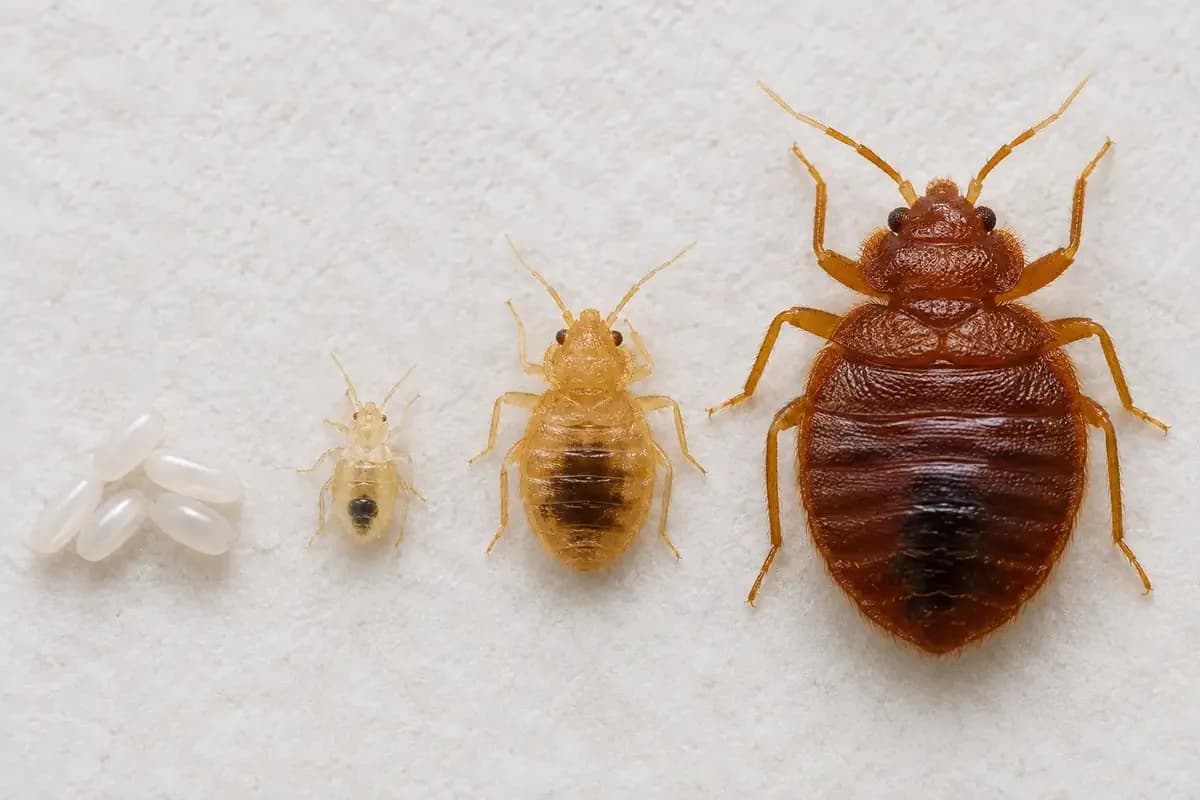
Bed bugs look like small, flat, oval insects with six legs, short antennae and no wings. Adults are usually rusty brown and close to the size of an apple seed, while young nymphs are smaller and much paler. Eggs are tiny, white and much harder to notice. This guide focuses on visual identification, while the complete Bed Bugs hub covers signs, hiding places, treatment and prevention.
What Does an Adult Bed Bug Look Like?
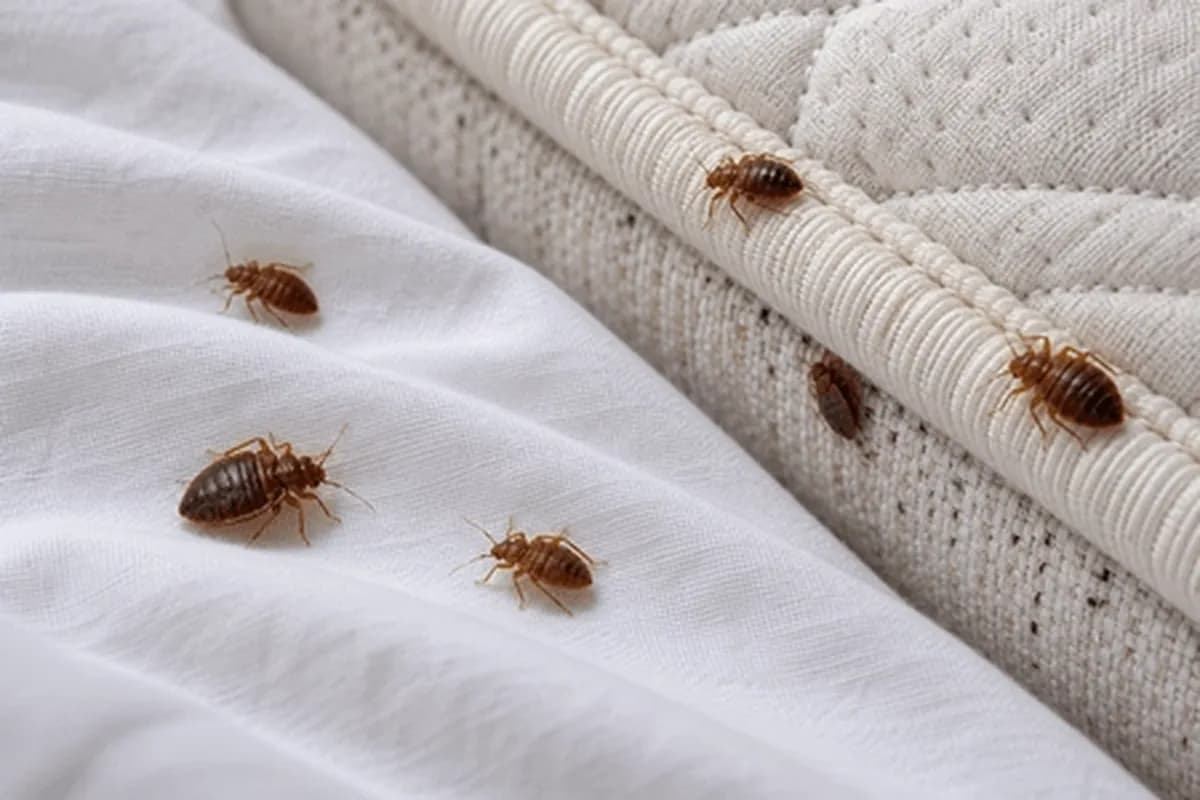
An adult common bed bug, Cimex lectularius, has a broad oval abdomen, a small head and a flattened body before it feeds. The color is usually reddish brown to mahogany. The insect has six legs, two antennae and no functional wings.
An unfed adult can look surprisingly thin from the side. After a blood meal, the abdomen becomes longer, rounder and darker red. That change is one reason photos of the same species can look different. Adults are visible without magnification, but mattress seams and dark cracks can make them easy to miss.
What Do Bed Bugs Look Like on Sheets and Mattresses?
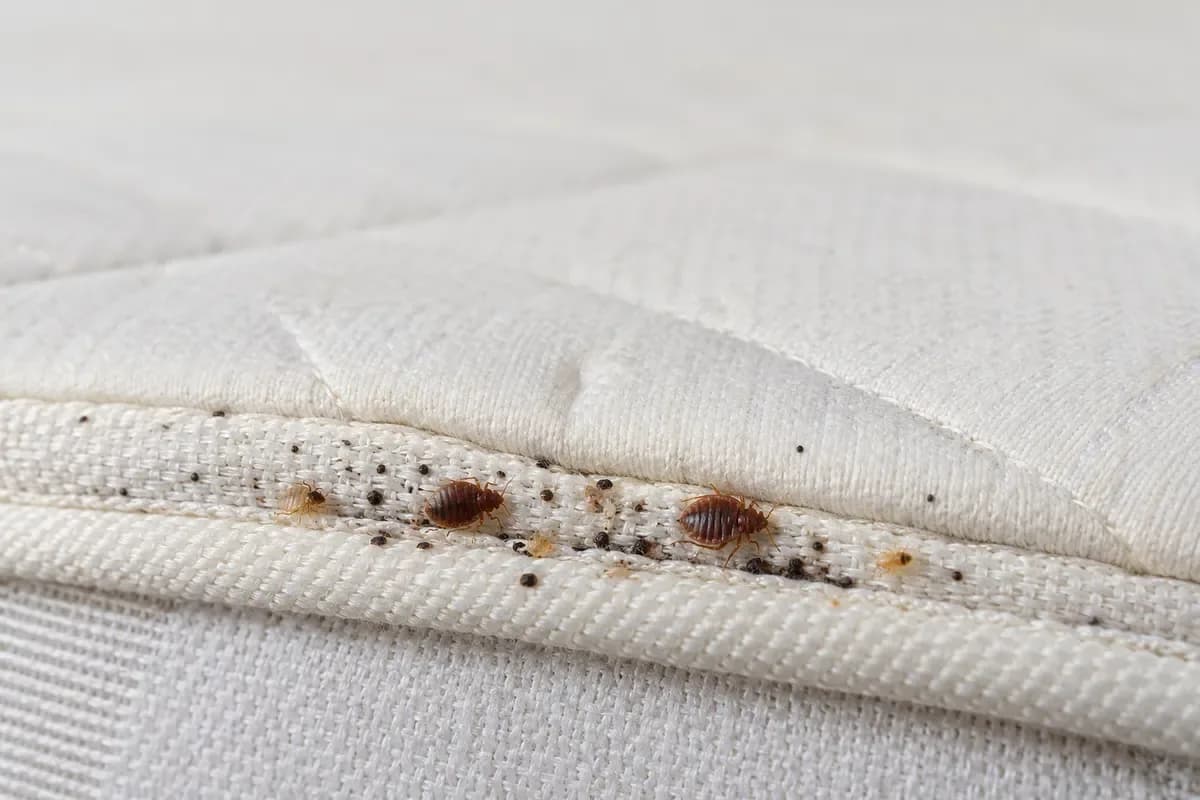
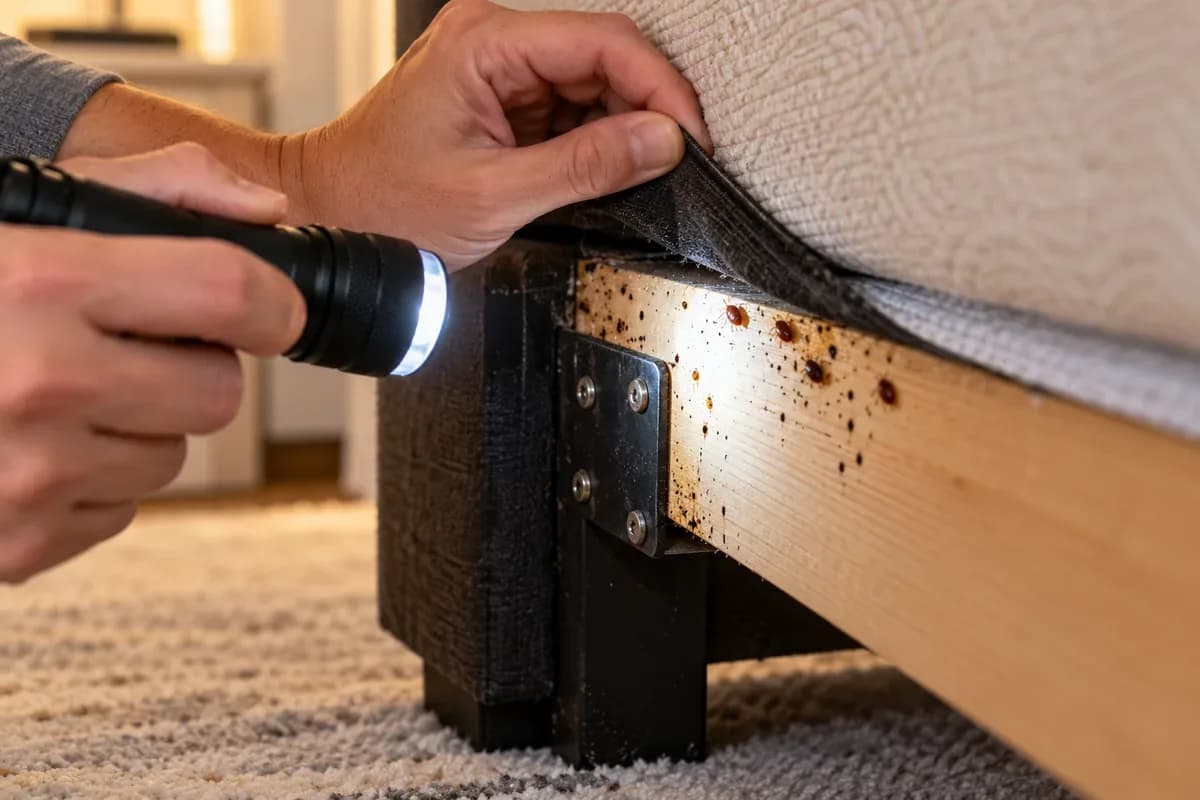
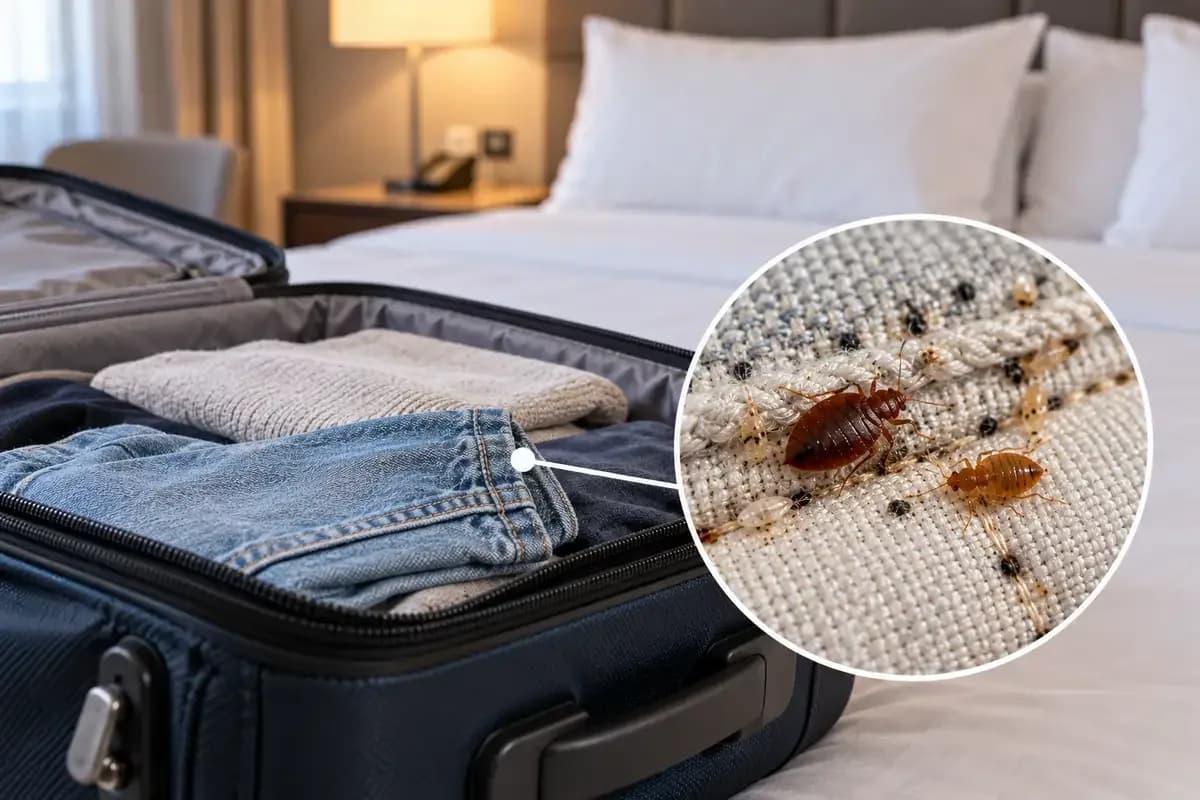
On light sheets, a live bed bug usually appears as a small brown moving oval. On a mattress, it often sits tight against piping, labels, folds or the underside of the box spring rather than in the open center. Dark fecal spots, pale shed skins and tiny eggs may be easier to notice than a moving bug.
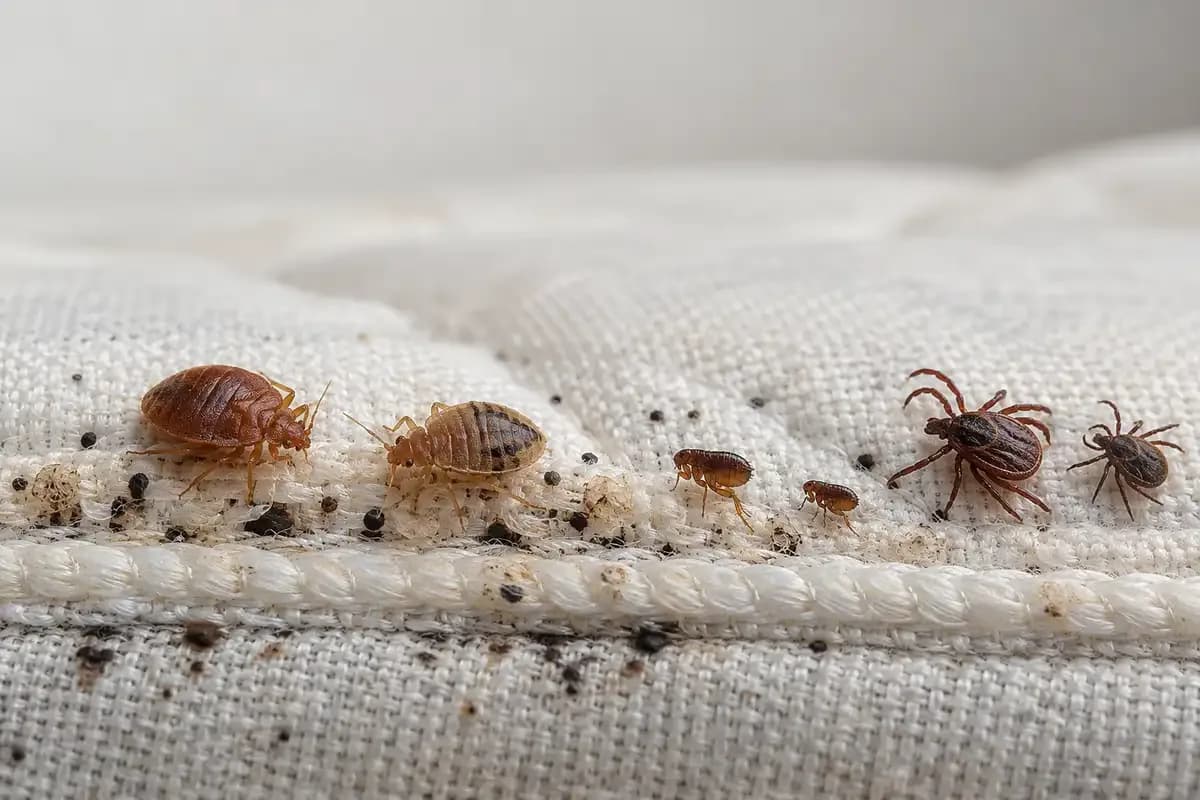
A bug found on a bed is not automatically a bed bug. Carpet beetles, spider beetles, baby cockroaches and bat bugs can appear in the same room. Compare body shape, leg count and movement before treating anything, and see our guide to bugs that look like bed bugs for a side by side comparison.
Identification is strongest when several features agree. Size, body outline, leg count, lack of wings and the place where the insect was found should point in the same direction. A single feature such as brown color is too broad because many household insects are brown.
What Do Baby Bed Bugs Look Like?
Baby bed bugs are called nymphs. They have the same basic body plan as adults but are smaller and lighter. A newly hatched nymph can look almost clear or pale yellow. After feeding, blood in the abdomen can make it appear bright red.
Nymphs pass through several growth stages before becoming adults. Because the smallest stages are difficult to see, use a bright flashlight and inspect slowly.
What Do Bed Bug Eggs Look Like?
Bed bug eggs are about 1 mm long, pearly white and shaped like tiny grains. Females place them in protected cracks and seams, where the eggs can be difficult to separate from lint or pale debris.
Finding eggs together with live bugs, dark spotting or shed skins is stronger evidence than finding a single white speck. Photographs are most useful when the insect fills much of the frame and remains sharp. Natural light, a plain background and a ruler beside the specimen make shape and size easier to compare.
Bed Bug Appearance Compared With Common Lookalikes
The quickest visual differences are body shape, legs and movement. Fleas are narrow from side to side and jump. Ticks have eight legs. Carpet beetles have a hard rounded shell, and many adults show mottled scales. Baby cockroaches are longer and usually run much faster.
Bat bugs can be extremely difficult to separate from common bed bugs without magnification. If bats are present in a roof or wall space, professional identification can be useful. Our bugs that look like bed bugs guide compares the main lookalikes side by side.
Quick Comparison
Use this quick table to match what you found against the main bed bug stages before deciding on a next step.
| Item | Size or legs | Color or movement | Quick clue |
|---|---|---|---|
| Adult bed bug | About 5 to 7 mm | Rusty brown | Flat oval body, no wings |
| Young nymph | About 1.5 mm and up | Pale to light brown | Small adult like shape |
| Egg | About 1 mm | Pearly white | Tiny oval fixed in cracks |
| Fed bed bug | Similar length but swollen | Dark red to brown | Longer and rounder abdomen |
Use what you see as one part of a larger evidence check. A single photo, stain or skin mark can start the investigation, but it should not automatically trigger treatment. When the evidence points to bed bugs, move on to the early signs checklist and the treatment steps in the Bed Bugs hub.
Found a bug, shell or egg and still not sure? Upload a clear photo to the free ScanaBug identifier for an instant result, then compare it with the stages above.
Frequently Asked Questions
Sources and References
- US Environmental Protection Agency. Bed Bugs: Get Them Out and Keep Them Out.
- US Centers for Disease Control and Prevention. About Bed Bugs.
- University of Kentucky Entomology. Bed Bugs, ENTFACT 636.
- UC Statewide IPM Program. Bed Bugs, Pest Note 7454.
- Purdue University Entomology. Bed Bug Identification.