How to Get Rid of Bed Bugs: A Practical Step Plan
To get rid of bed bugs, confirm the insect first, contain infested items, use heat and careful cleaning, reduce hiding places and keep monitoring until activity stops. No single spray or home remedy reliably reaches every bug and egg. A combined approach is more effective. Start with the Bed Bugs hub if you still need to confirm what you found.
Step 1: Confirm That You Have Bed Bugs
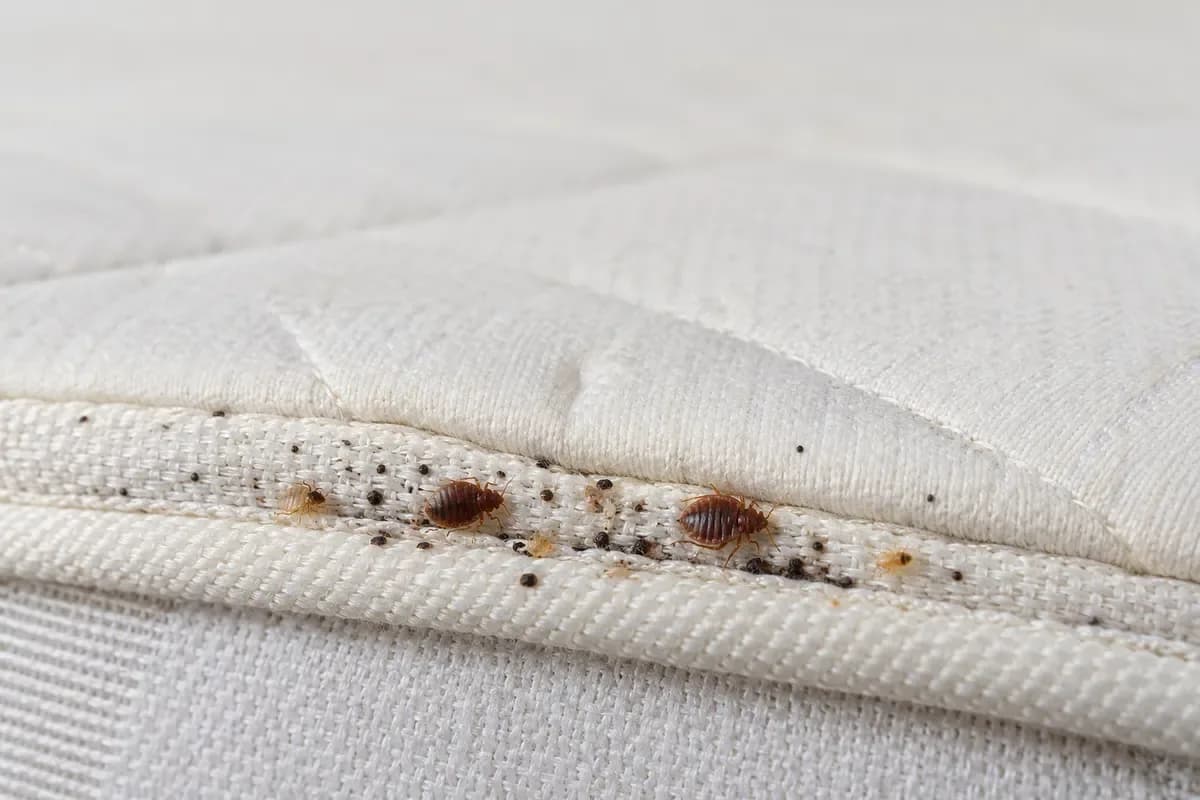
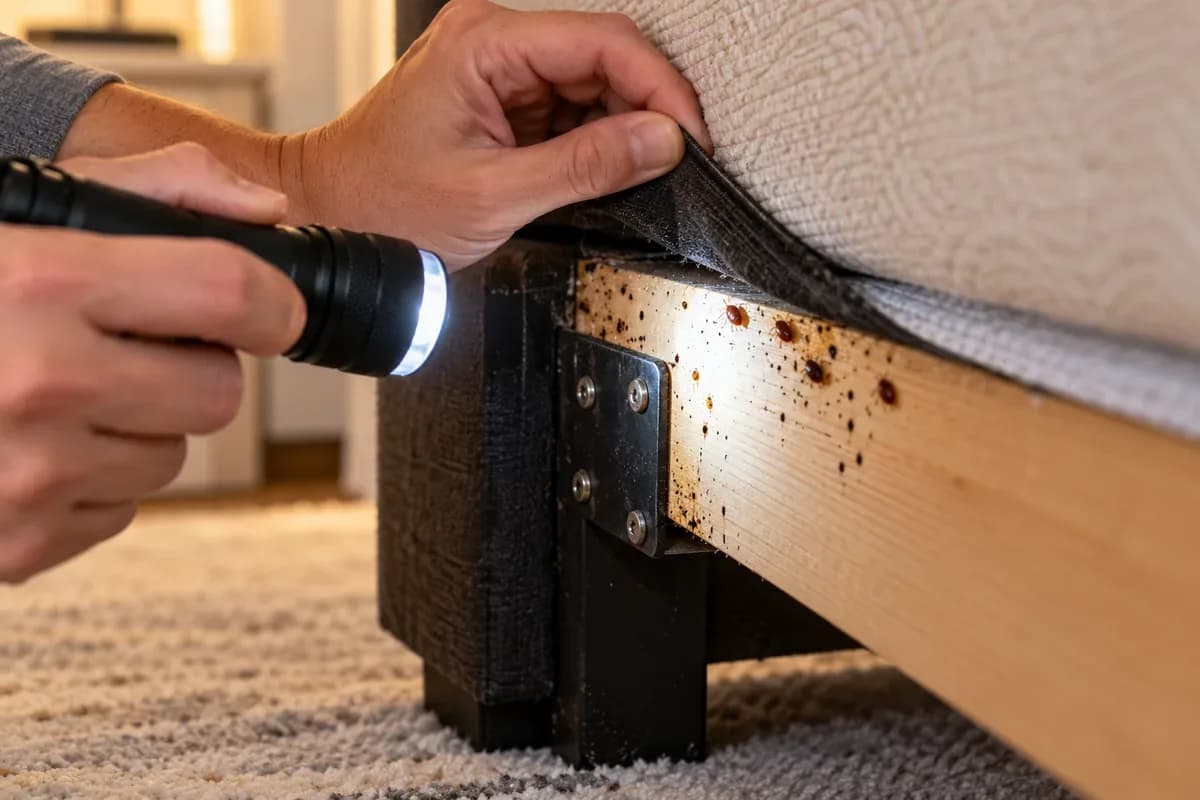
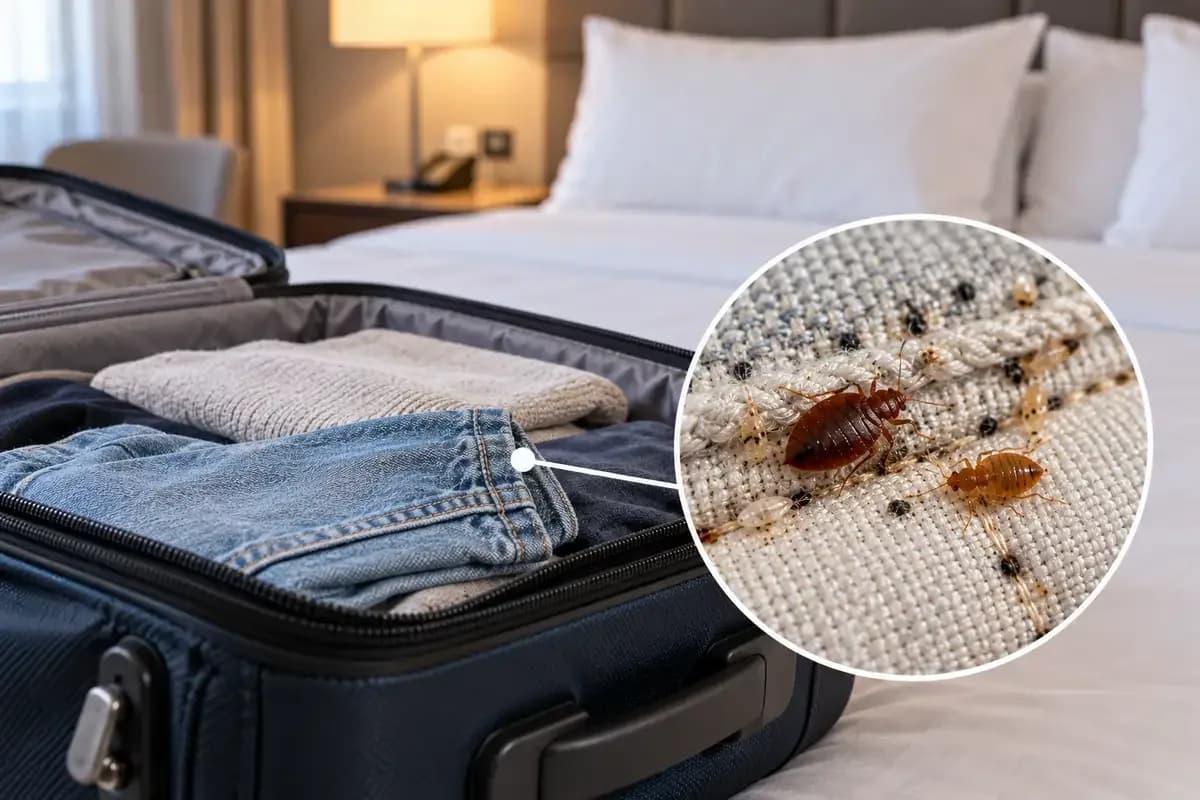
Treatment should begin only after you have good evidence of bed bugs. Save a specimen in a sealed container or take a clear photo. Check for live bugs, dark spotting, eggs and shed skins around the bed.
Misidentification wastes time and can lead to unnecessary pesticide use. Carpet beetles, fleas, bat bugs and baby cockroaches require different control plans, so compare what you found against our bed bug lookalikes guide and the appearance guide.
Still unsure what you found? Upload a clear photo to the free ScanaBug identifier before buying any product.
Step 2: Contain Infested Fabrics and Belongings
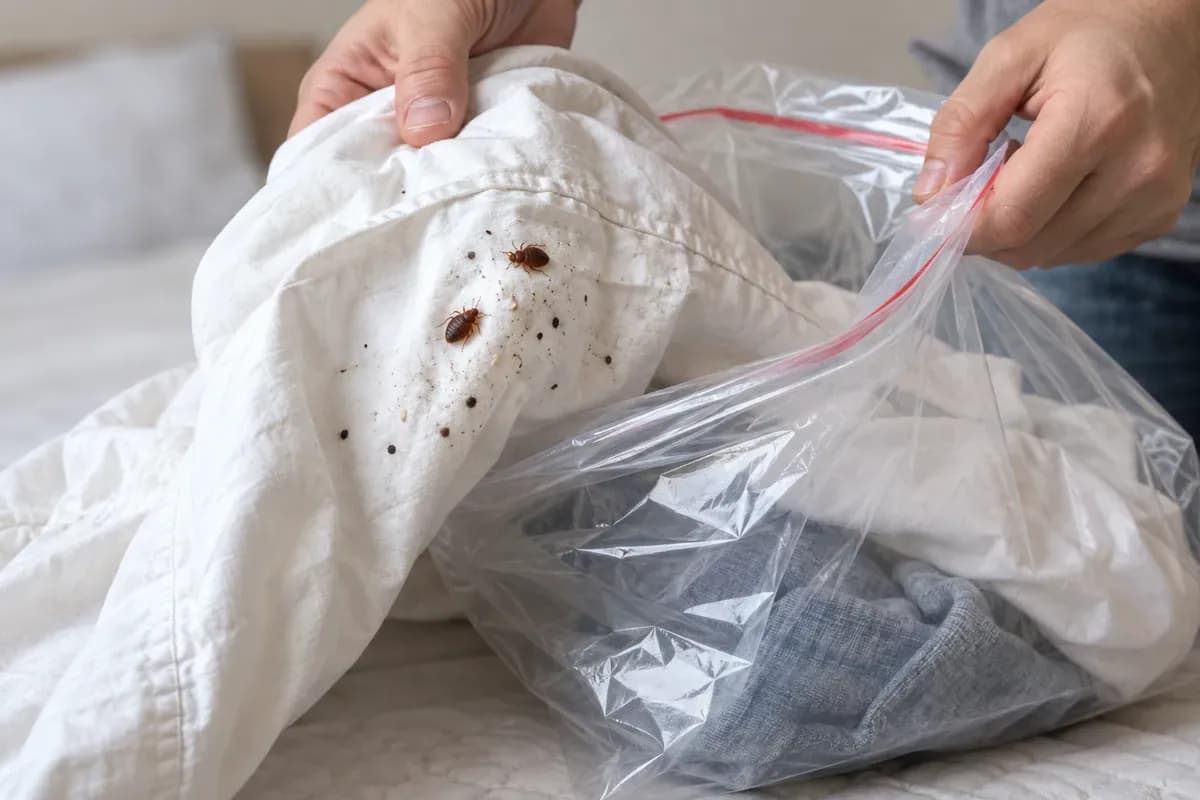
Move bedding and washable clothing directly into sealed bags before carrying them through the home. Keep cleaned items separate from untreated items. Avoid moving furniture into another room because that can spread bugs to new hiding places.
Clutter gives bed bugs more places to hide. Reduce loose items around the bed, but do not discard everything automatically. Many belongings can be treated or isolated. Label bags or containers so you know what has been treated and what still needs attention.
Step 3: Use a Hot Dryer for Washable Fabrics
Heat is one of the most useful nonchemical tools. For washable and dryable fabrics, use a hot dryer cycle appropriate for the material. The important factor is that the item itself reaches lethal conditions, not simply that the room feels warm.
Do not try to heat an entire room with household space heaters, ovens or fireplaces. The EPA warns that unsafe do it yourself heating can cause fires and may fail to heat hidden areas evenly.
Step 4: Vacuum and Steam Hiding Places
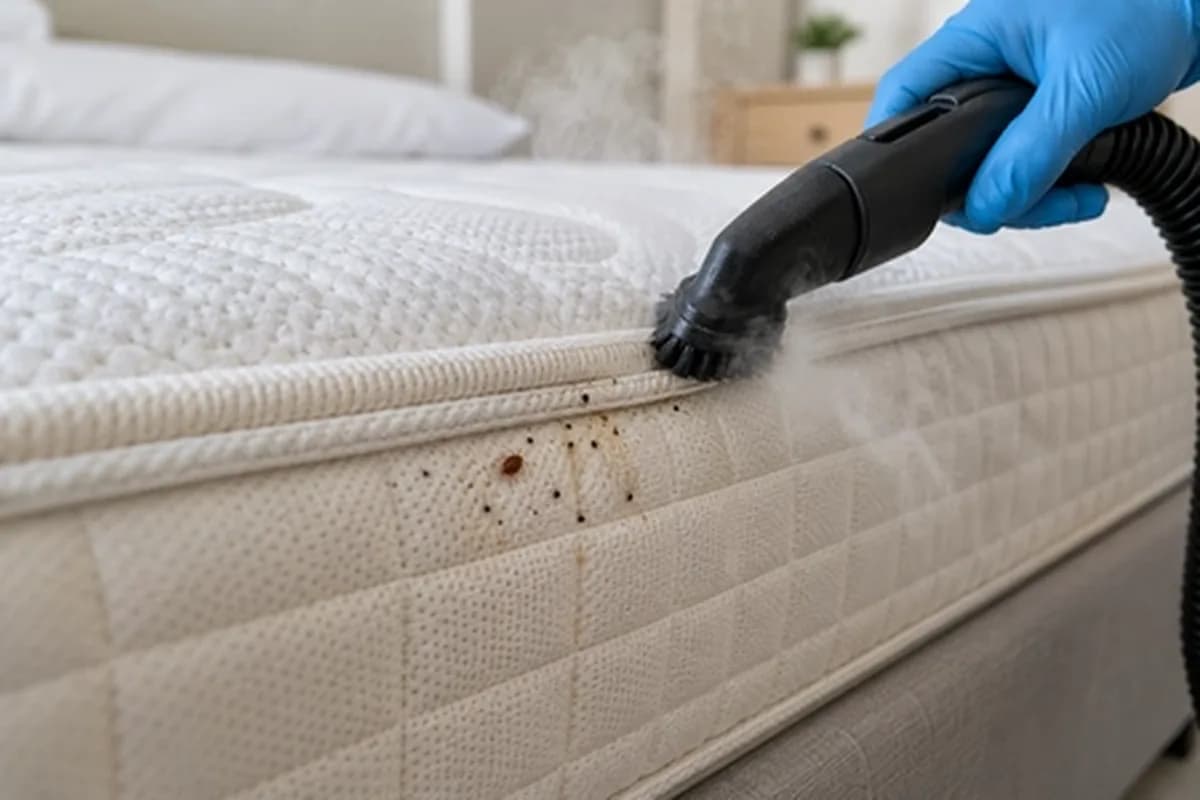
Vacuum mattress seams, bed frame joints, baseboards and furniture cracks to remove visible bugs and debris. Empty the vacuum contents into a sealed bag outside after use.
Steam can help on suitable surfaces when applied slowly enough for heat to penetrate. Follow the steamer instructions and avoid electrical outlets or materials that can be damaged by moisture or heat.
Step 5: Encase, Isolate and Monitor the Bed
A bed bug proof mattress and box spring encasement can trap bugs already inside and remove many hiding places. Move the bed slightly away from walls and keep bedding from touching the floor.
Interceptor traps under bed legs can help reveal continued activity. Monitoring matters because a room that looks quiet for a few days may still contain hidden bugs or newly hatched nymphs. Treatment is a process rather than a single event.
Step 6: Use Pesticides Only as the Label Directs
If you use a pesticide, choose a product registered for bed bugs in your region and follow every label direction. More product is not better. Applying pesticides to places not listed on the label can be unsafe.
Total release foggers should not be the only control method. Bed bugs hide deep in cracks where fog may not reach them. Resistance can also reduce the effect of some insecticides.
Step 7: Know When Professional Treatment Makes Sense
Professional help is sensible when bugs have spread to several rooms, the home is in a shared building, repeated treatment has failed or preparation is too difficult to manage safely. Experienced technicians can combine inspection, targeted insecticides, heat and follow up monitoring.
Ask how the company confirms activity, what preparation is required and whether follow up visits are included. Our guide to professional bed bug treatment covers those questions in detail.
Quick Comparison
This table summarizes how the main do it yourself methods fit together. The strongest results come from combining several of them and continuing to monitor.
| Method | Best use | Quick clue |
|---|---|---|
| Hot dryer | Useful for suitable fabrics | Follow fabric care instructions |
| Vacuuming | Removes visible bugs and debris | Seal and discard contents |
| Steam | Useful on suitable seams and cracks | Apply safely and slowly |
| Encasements | Support control and monitoring | Use bed bug proof products |
| Foggers alone | Poor strategy | Do not rely on them alone |
Frequently Asked Questions
Sources and References
- US Environmental Protection Agency. Bed Bugs: Get Them Out and Keep Them Out.
- US Centers for Disease Control and Prevention. About Bed Bugs.
- University of Kentucky Entomology. Bed Bugs, ENTFACT 636.
- UC Statewide IPM Program. Bed Bugs, Pest Note 7454.
- Purdue University Entomology. Bed Bug Identification.