Is a Bee an Insect? Butterflies, Ants, Caterpillars and More Explained
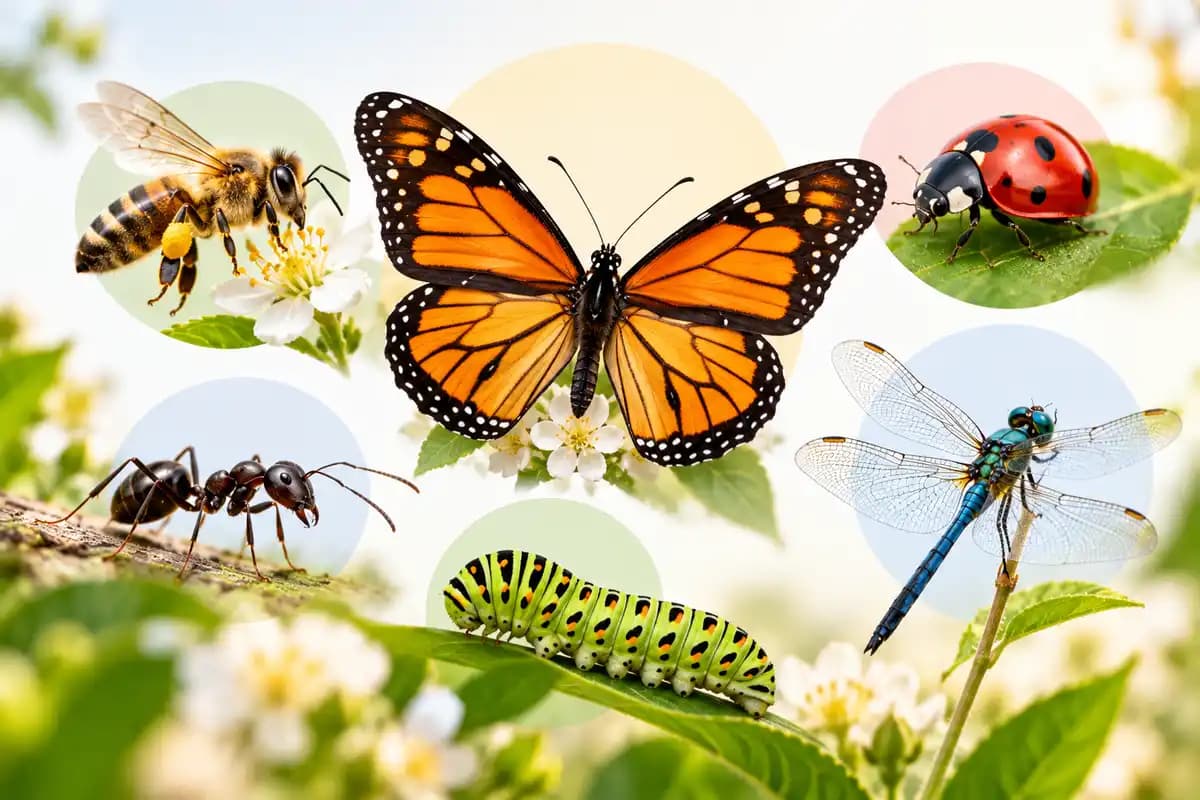
Yes, a butterfly is an insect. So are bees, ants, caterpillars, ladybugs, grasshoppers, dragonflies, moths, mosquitoes and cockroaches. Each one passes the same three checks that scientists use to define an insect. This guide explains those checks, shows how each animal fits and ends with a quick yes or no table.
How to Tell If Something Is an Insect (3 Checks)
An animal is an insect if, as an adult, it has six legs, three body parts and one pair of antennae. Use these three checks:
- Six jointed legs, all attached to the middle body section.
- Three body parts: the head, the thorax (middle) and the abdomen (rear).
- One pair of antennae on the head.
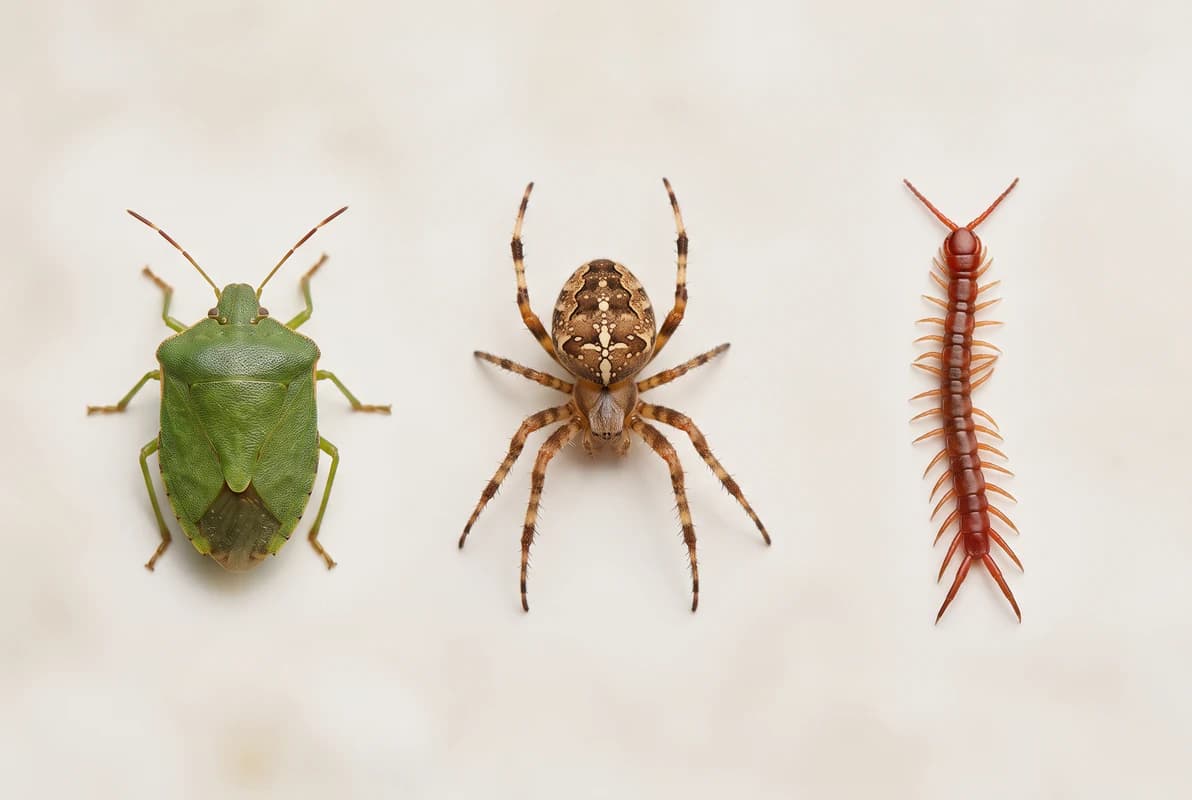
Insects also have a hard outer skeleton, and most adults have wings, though not all. Spiders fail all three checks: they have eight legs, two body parts and no antennae. If you are unsure what you found, the ScanaBug spider identifier can tell you whether it is a spider.
Not sure what you found? Upload a photo to the free ScanaBug Insect Identifier and see what it is, whether it is an insect, and if it is harmless.
Is a Butterfly an Insect?
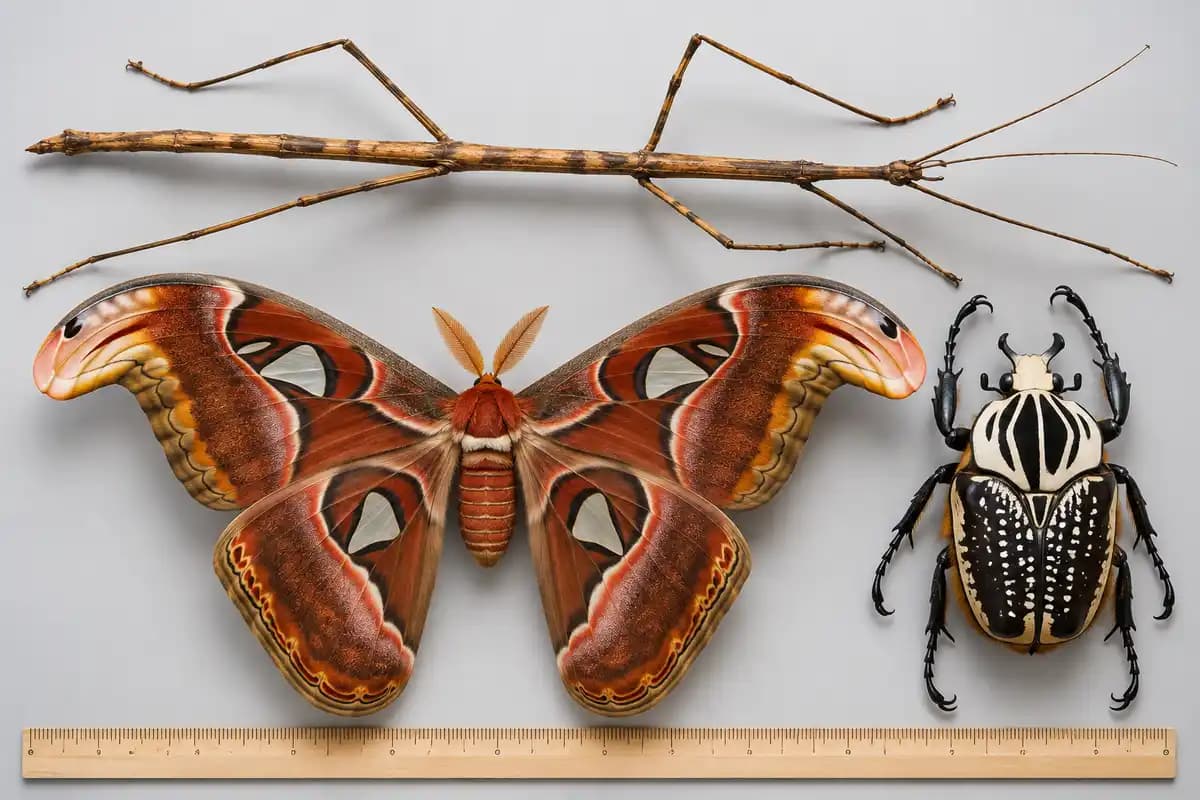
A butterfly is an insect in the order Lepidoptera, a name that means "scale wings." Tiny scales cover its wings and give them their color. It has six legs, three body parts, clubbed antennae and a long coiled tongue called a proboscis for drinking nectar. Some butterflies, such as monarchs, seem to have only four legs, because the front pair is very small and folded against the body, but it is still there.
Moths are insects too, in the same order. Most moths fly at night with feathery or thin antennae, while butterflies fly by day with knob tipped antennae.
Is a Bee an Insect?
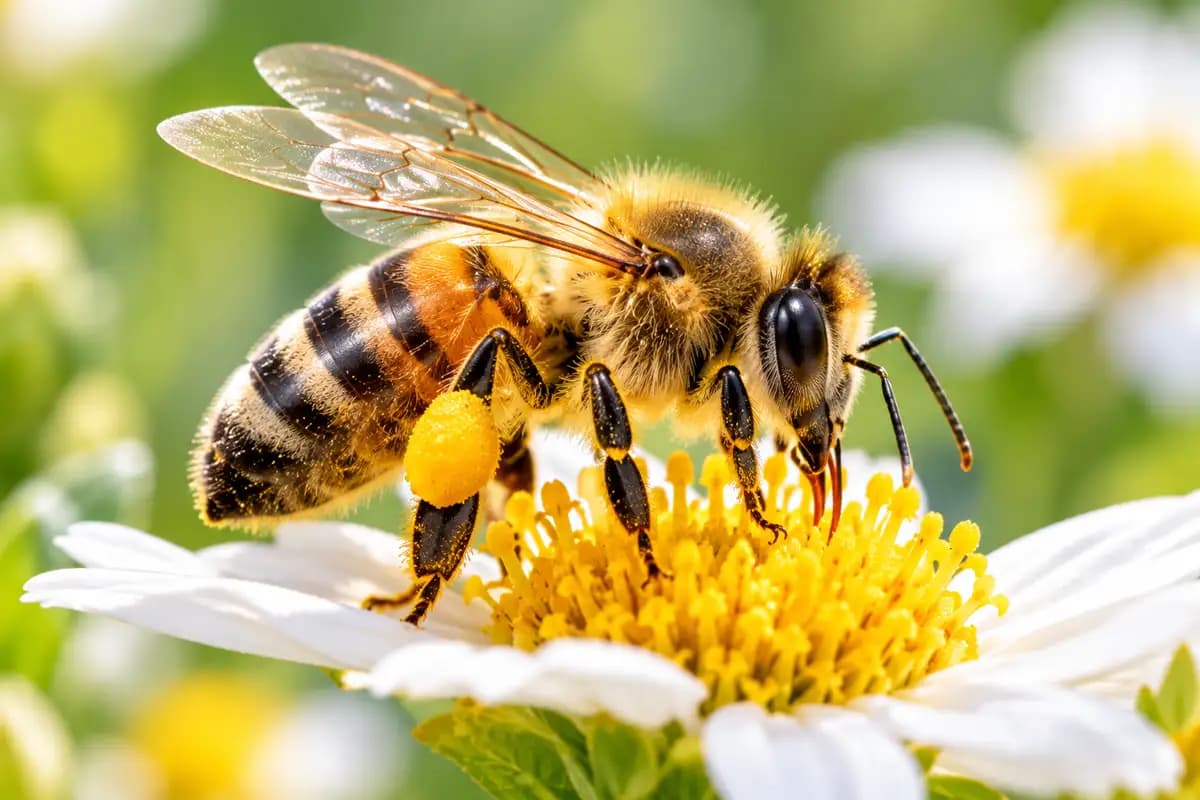
Yes, a bee is an insect, and it is also an animal, because all insects are animals. Bees belong to the order Hymenoptera, along with wasps and ants. A bee has six legs, three body parts and two pairs of wings that hook together in flight, and its fuzzy body collects pollen as it moves between flowers. Worker ants have no wings, but they still have six legs, three body parts and bent antennae.
Is a Caterpillar an Insect?
A caterpillar is an insect because it is the young, or larval, stage of a butterfly or moth. It is not a worm. Look just behind the head and you will see six true jointed legs on the thorax. The stubby, fleshy "legs" farther back are called prolegs; they help the caterpillar grip leaves but are not true legs, and they disappear in the adult. Caterpillars grow through complete metamorphosis: egg, larva, pupa and adult.
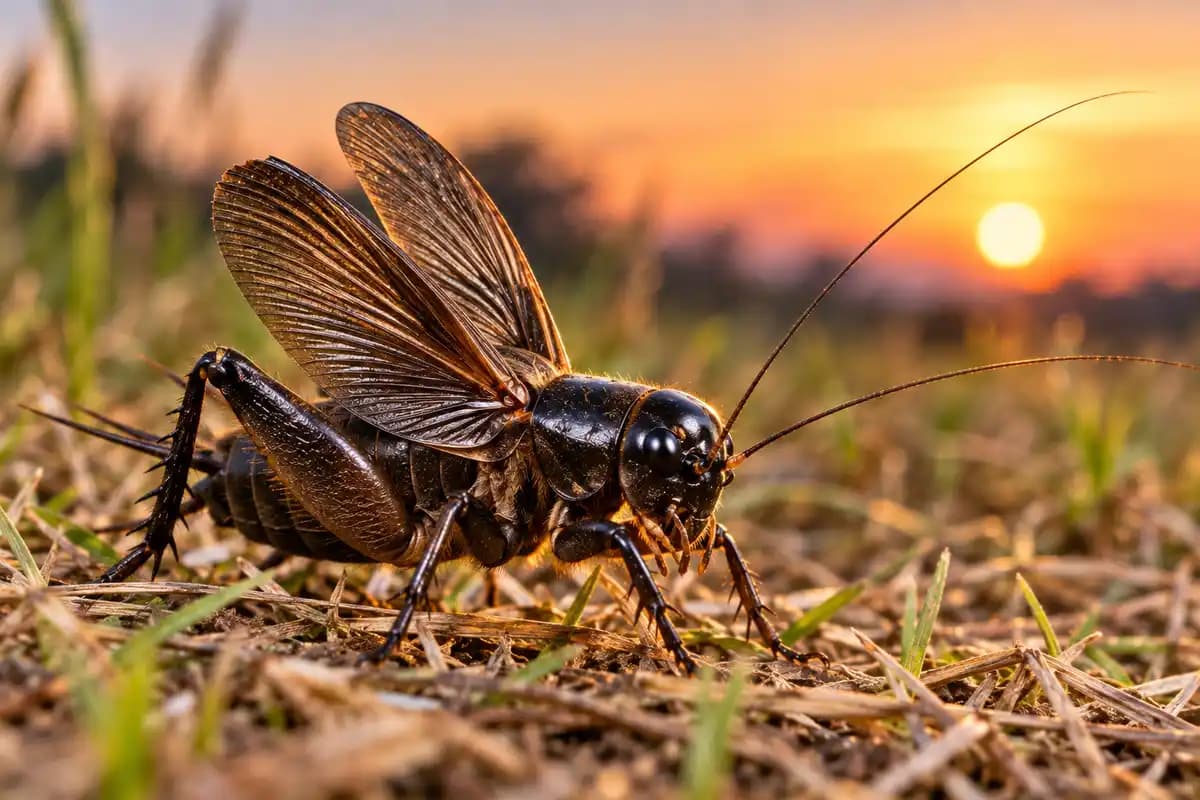
Ladybugs, beetles, grasshoppers and crickets are all insects too. Ladybugs are beetles in the order Coleoptera, whose hard front wings form a shell over thin flying wings. Grasshoppers and crickets belong to the order Orthoptera and use big hind legs to jump.
Quick Yes or No Table: Is It an Insect?
This table gives a fast answer for each animal, the group it belongs to and the main reason.
| Animal | Insect? | Order or class | Quick reason |
|---|---|---|---|
| Butterfly | Yes | Lepidoptera | Six legs, scaled wings |
| Moth | Yes | Lepidoptera | Six legs, scaled wings |
| Bee | Yes | Hymenoptera | Six legs, four wings |
| Wasp | Yes | Hymenoptera | Six legs, narrow waist |
| Ant | Yes | Hymenoptera | Six legs, bent antennae |
| Caterpillar | Yes | Lepidoptera (larva) | Six true legs on thorax |
| Ladybug | Yes | Coleoptera | Six legs, hard wing covers |
| Beetle | Yes | Coleoptera | Six legs, hard wing covers |
| Grasshopper | Yes | Orthoptera | Six legs, jumping hind legs |
| Cricket | Yes | Orthoptera | Six legs, long antennae |
| Dragonfly | Yes | Odonata | Six legs, four long wings |
| Mosquito | Yes | Diptera | Six legs, two wings |
| Fly | Yes | Diptera | Six legs, two wings |
| Cockroach | Yes | Blattodea | Six legs, flat body |
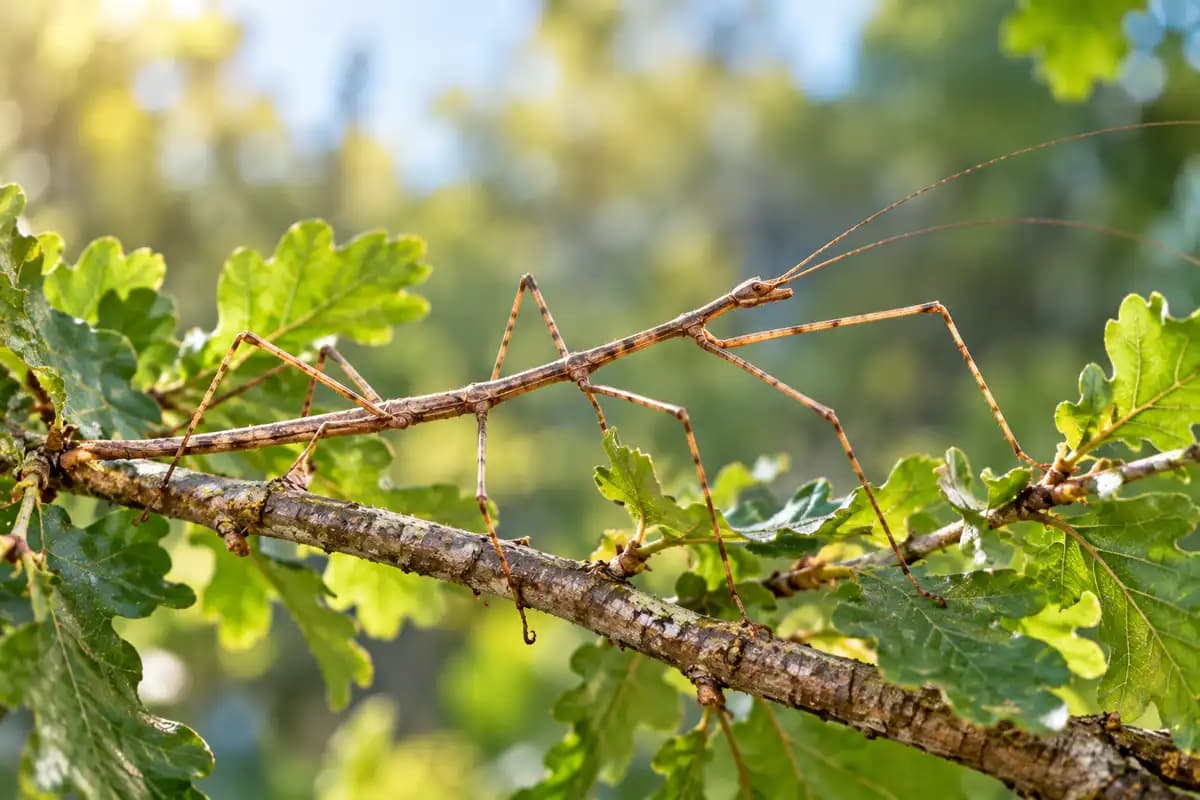
| Praying mantis | Yes | Mantodea | Six legs, grasping front legs |
| Spider | No | Arachnida (class) | Eight legs, no antennae |
Insect vs Bug: Is There a Difference?
Every true bug is an insect, but not every insect is a true bug. In everyday speech, people call almost any small creature a bug. Scientists use the word for one order, Hemiptera, which includes stink bugs, bed bugs, aphids and cicadas. True bugs have mouthparts shaped like a straw for piercing and sucking. By that definition, a butterfly, a bee or a ladybug is an insect but not a true bug.
Creatures People Mistake for Insects
Several common creatures fail the three checks, even though they look a lot like insects:
- Spiders, ticks, mites and scorpions have eight legs and belong to the arachnids.
- Centipedes and millipedes have far more than six legs.
- Roly polies, also called pill bugs, are small land crustaceans related to shrimp and crabs.
- Earthworms and slugs have no legs at all and belong to entirely different animal groups.
Frequently Asked Questions
Sources and References
- Smithsonian Institution, National Museum of Natural History. Butterflies, BugInfo.
- Smithsonian Institution, National Museum of Natural History. Wasps, Ants, and Bees, BugInfo.
- Triplehorn, C. A. and Johnson, N. F. 2005. Borror and DeLong's Introduction to the Study of Insects, 7th edition.
- Gullan, P. J. and Cranston, P. S. 2014. The Insects: An Outline of Entomology, 5th edition. Wiley Blackwell.