Hobo Spiders: Identification, Size and Are They Dangerous?
The hobo spider (Eratigena agrestis) is a brown funnel web spider from Europe that now lives in the Pacific Northwest of North America. It is hard to tell apart from several harmless lookalikes without a microscope, and current research shows it is not aggressive and not the cause of the skin wounds it was once blamed for. This guide covers how to recognize it, its size, how it compares with giant house spiders and wolf spiders and what science now says about its bite. For a quick first check, use the Spider Identifier.
What Is This Spider and Where Did It Come From?
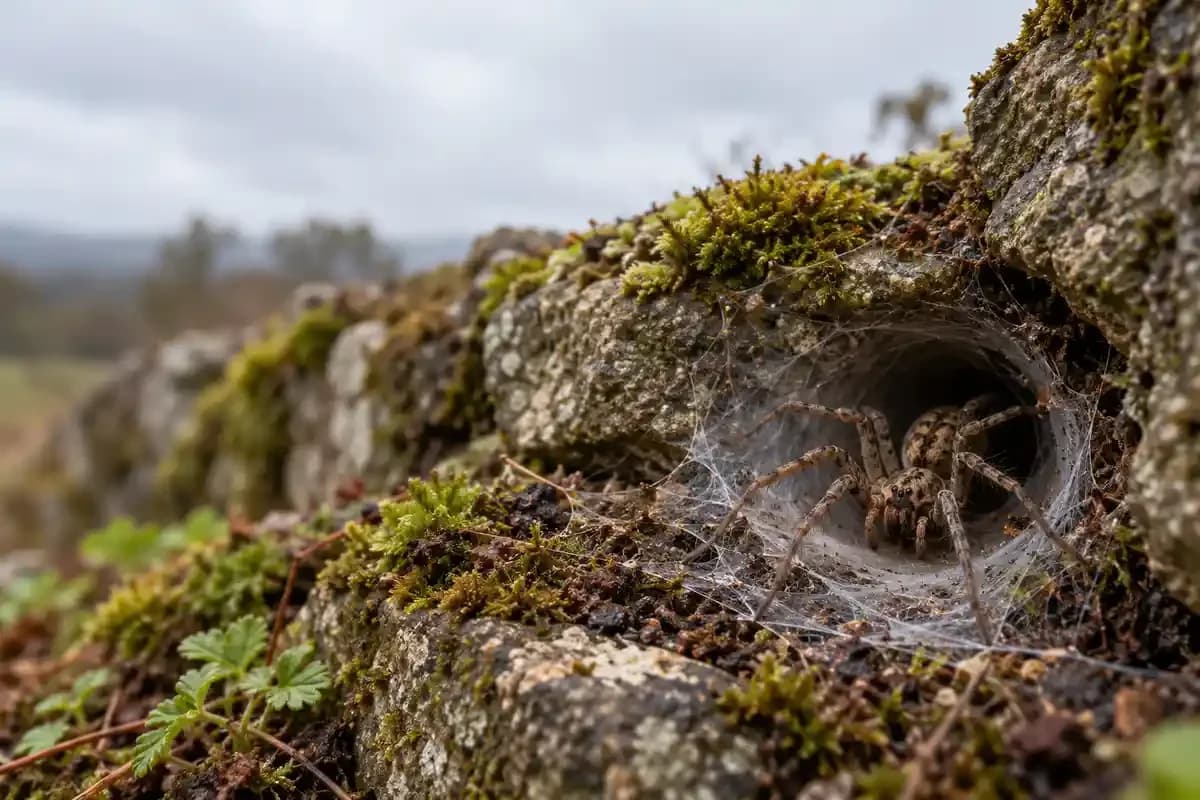
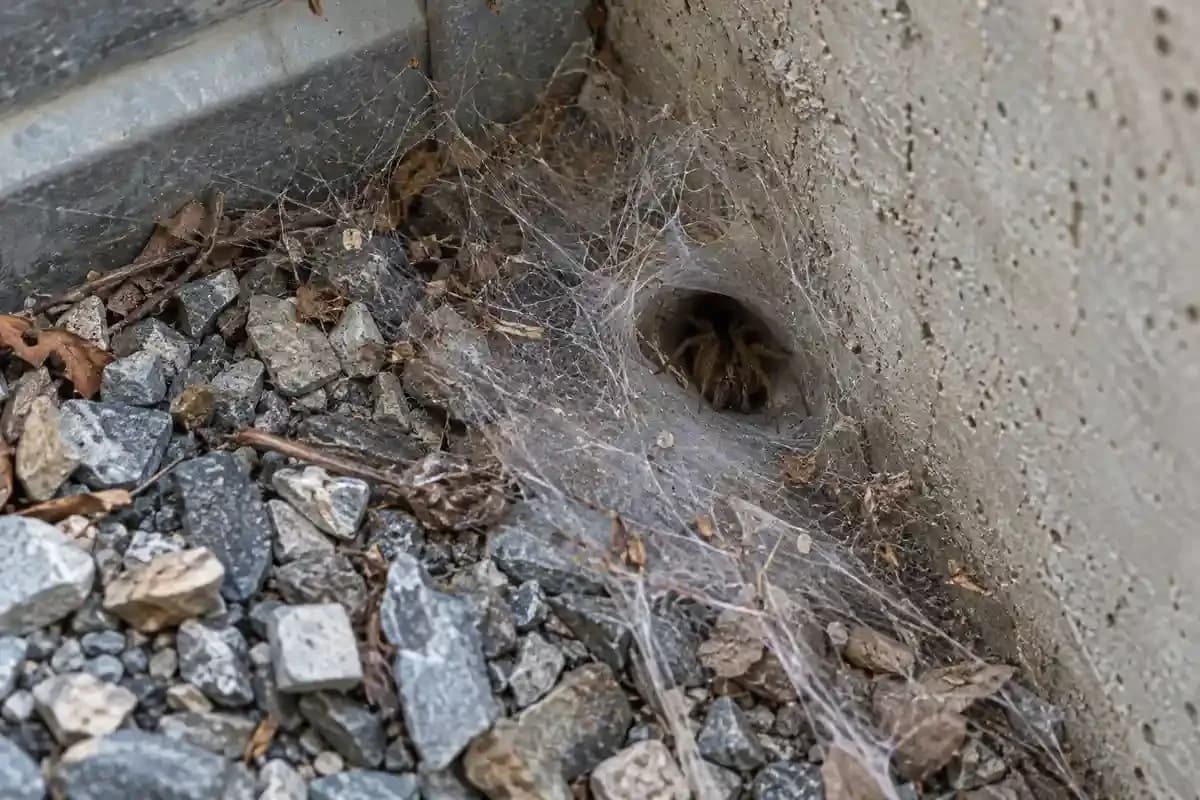
A hobo is a medium sized, brown funnel weaver in the family Agelenidae, the same family as grass spiders and giant house spiders. It builds flat sheets of silk with a funnel shaped retreat at one side and waits inside for insects to land on the sheet.
It is native to Europe and central Asia and arrived in the Seattle area of Washington in the early twentieth century, probably with shipping. Its common name comes from its habit of spreading along railway lines and roads. The Burke Museum notes that the old nickname "aggressive house spider" came from a mistranslation: the Latin word agrestis means rural, not aggressive.
Where Do They Live?
In North America it lives mainly in Washington, Oregon and Idaho, with populations in Montana, Utah, Wyoming and southern British Columbia. In Europe it is widespread, mostly outdoors in fields and along roads. The Burke Museum points out that if you live outside these mapped areas, you do not have hobos.
- Outdoors: rock walls, woodpiles, window wells, gaps under siding and the edges of lawns and gravel paths.
- Buildings: mostly basements and ground floors. The Burke Museum notes that it cannot live permanently in homes and that most found indoors are wandering males.
How to Identify a Hobo Spider
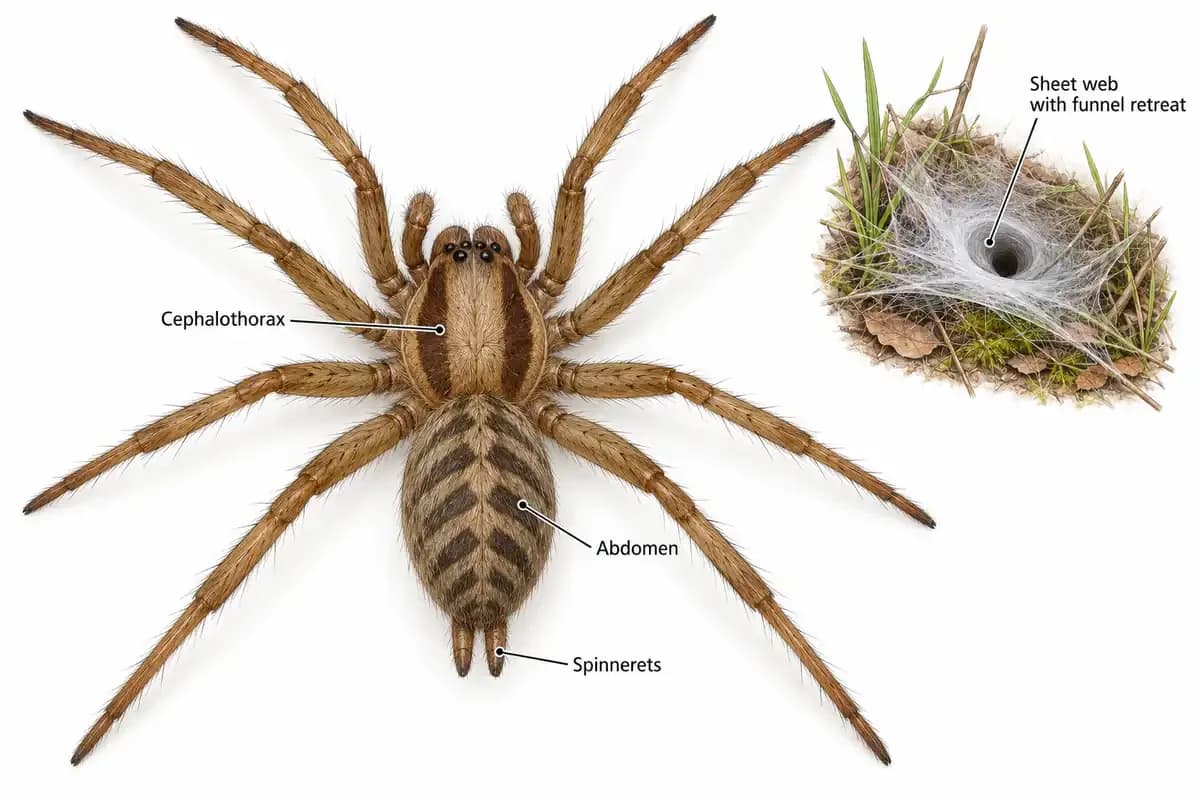
Hobos are plain brown spiders with long legs, a pattern of lighter and darker chevrons on the abdomen and a funnel web near the ground. However, the Burke Museum stresses that these features are shared by about 200 other spiders in the same region, so photos alone are not reliable.
- Color: light to medium brown, with a slightly darker band on each side of the front body.
- Abdomen: a herringbone or chevron pattern down the middle, which can be faint or missing.
- Legs: long, hairy and mostly the same color, without strong dark bands.
- Rear: two finger like spinnerets visible at the tip of the abdomen, typical of funnel weavers.
- Web: a flat, horizontal sheet with a funnel retreat at ground level, often in cracks or rock walls.
Experts confirm the species by examining the reproductive parts under a microscope at about 30 times magnification. For everyday purposes, the Spider Identifier can narrow down brown funnel weavers and similar spiders from a clear photo.
Hobo Spider Size
Adult females are about 11 to 14 mm (7/16 to 9/16 in) long in the body, and males are a little smaller at about 7 to 11 mm (5/16 to 7/16 in). With legs spread, they measure roughly 2.5 to 4.5 cm (1 to 1 3/4 in). Males have longer legs for their size and two swollen palps near the mouth that look like small boxing gloves, a feature every male spider shares.
Babies and Life Cycle
Females lay eggs in silk sacs in autumn, usually inside their funnel retreats, and many die soon after. The babies hatch in spring as tiny, pale brown spiderlings and grow slowly through the summer, often taking a year or more to mature. Adult males wander from mid summer to autumn looking for mates, which is when people most often find them inside. Females usually stay in their webs outdoors, so a single brown spider running across a basement floor in autumn is most likely a wandering male rather than a sign of a nest indoors.
Hobo Spider vs Giant House Spider
Giant house spiders are larger, faster and have longer, hairier legs than hobos, but the two can look very similar. Both are brown funnel weavers that live in the same areas of the Pacific Northwest and Europe.
| Feature | Hobo | Giant house spider |
|---|---|---|
| Body length | About 7 to 14 mm | Up to 16 mm |
| Leg span | Up to about 4.5 cm (1 3/4 in) | Up to 7.5 cm (3 in) |
| Legs | Shorter, mostly plain | Very long, hairy, sometimes faintly banded |
| Where found | Mostly outdoors, ground level | Often indoors, in corners and behind furniture |
| Season seen indoors | Late summer and autumn | Late summer and autumn |
Both spiders are harmless. The Wildlife Trusts note that giant house spider males wander indoors in late summer and early autumn while searching for females. For other spiders that share homes, see our guide to common house spiders.
Hobo Spider vs Wolf Spider
The easiest way to tell a hobo from a wolf spider is the eyes and the web. Wolf spiders have two large, forward facing eyes and hunt without webs, while hobos have eight small, similar sized eyes in two rows and live in funnel webs.
- Eyes: wolf spiders show a clear row of two big eyes in the middle of the face; hobos do not.
- Web: hobos sit in sheet and funnel webs; wolf spiders roam freely.
- Egg sac: female wolf spiders carry a round egg sac on their rear and babies on their backs; hobos leave their sacs in the retreat.
- Body shape: wolf spiders are stockier, with thicker legs and often a striped front body.
Read our full guide to the wolf spider to compare photos and behavior.
Are Hobo Spiders Dangerous? What Current Science Says
No. Current research shows that hobos are not dangerous to people and do not cause the flesh damaging wounds they were once blamed for. Early laboratory tests on rabbits in the 1980s suggested harmful venom, and the spider was widely blamed for skin sores across the Northwest. Later studies did not support those results.
- CDC list: the Burke Museum reports that the US Centers for Disease Control removed the hobo from its list of venomous spiders.
- Bites are rare: Montana State University Extension notes their fangs are small and they bite only when threatened or trapped in clothing or shoes.
- No proven necrosis: the same source says there is no conclusive evidence that the venom causes skin death and that most such wounds in the West are caused by MRSA, a drug resistant bacterial skin infection.
- Not aggressive: the Burke Museum states the species is not aggressive toward people.
Any spider can bite if pressed against skin, and a bite may cause brief pain and redness. Wounds that grow, darken or ooze need a doctor because infection is far more likely than venom. For how the hobo compares with truly dangerous species, see our ranking of the most venomous spiders.
How to Keep Hobos Out of Your Home
The best way to keep funnel weavers outside is to make the ground around your home less inviting and to block easy entry points.
- Seal gaps around doors, basement windows, pipes and siding.
- Move woodpiles, rock piles and debris away from the foundation.
- Keep grass short and clear clutter from window wells.
- Use sticky traps along basement walls to catch wandering males.
- Shake out shoes, gloves and clothes stored in basements or garages.
Found a brown funnel weaver indoors? Upload a photo to the free ScanaBug Spider Identifier for an instant ID with a safety rating.