Orb Weaver Spiders: Identification, Common Types and Webs
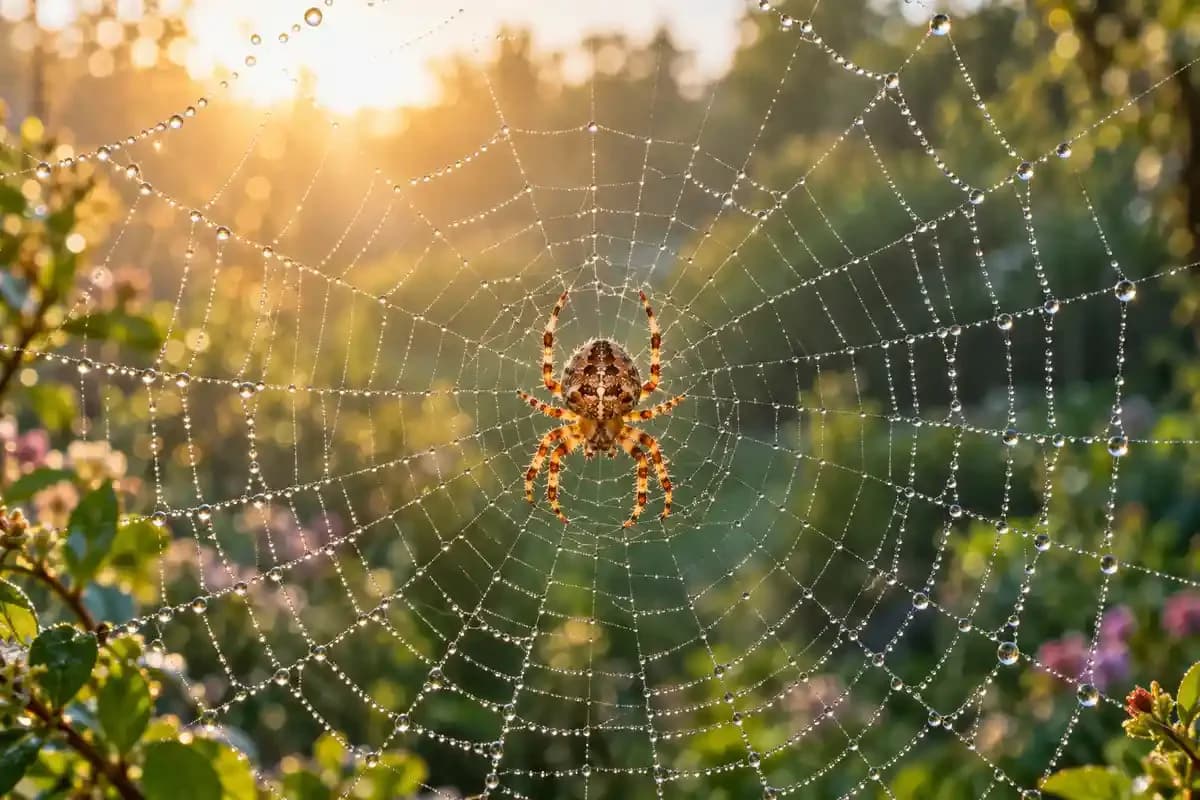
An orb weaver is a spider that spins the classic round, wheel shaped web, with spokes running out from the center and a sticky spiral laid over them. Most belong to the family Araneidae, which includes about 3,000 species worldwide. They usually have a large, round or oddly shaped abdomen, live in gardens, fields and forests and are harmless to people. This guide covers common types, an identification chart, how their webs work and what to know about bites. To name the one you found, try the Spider Identifier.
What Is an Orb Weaving Spider?
Orb weaving spiders are web builders that catch flying insects in flat, round webs and usually sit head down in the center or hide in a nearby retreat. You can recognize them by these features:
- Web: a flat, round web with straight spokes and a spiral, often hung in a gap between plants, under eaves or near outdoor lights.
- Body: a big, round, triangular or spiny abdomen and a smaller front body.
- Legs: fairly short and sturdy in most species, often banded, with the front legs held forward.
- Timing: most are seen in late summer and early autumn, when they reach full size.
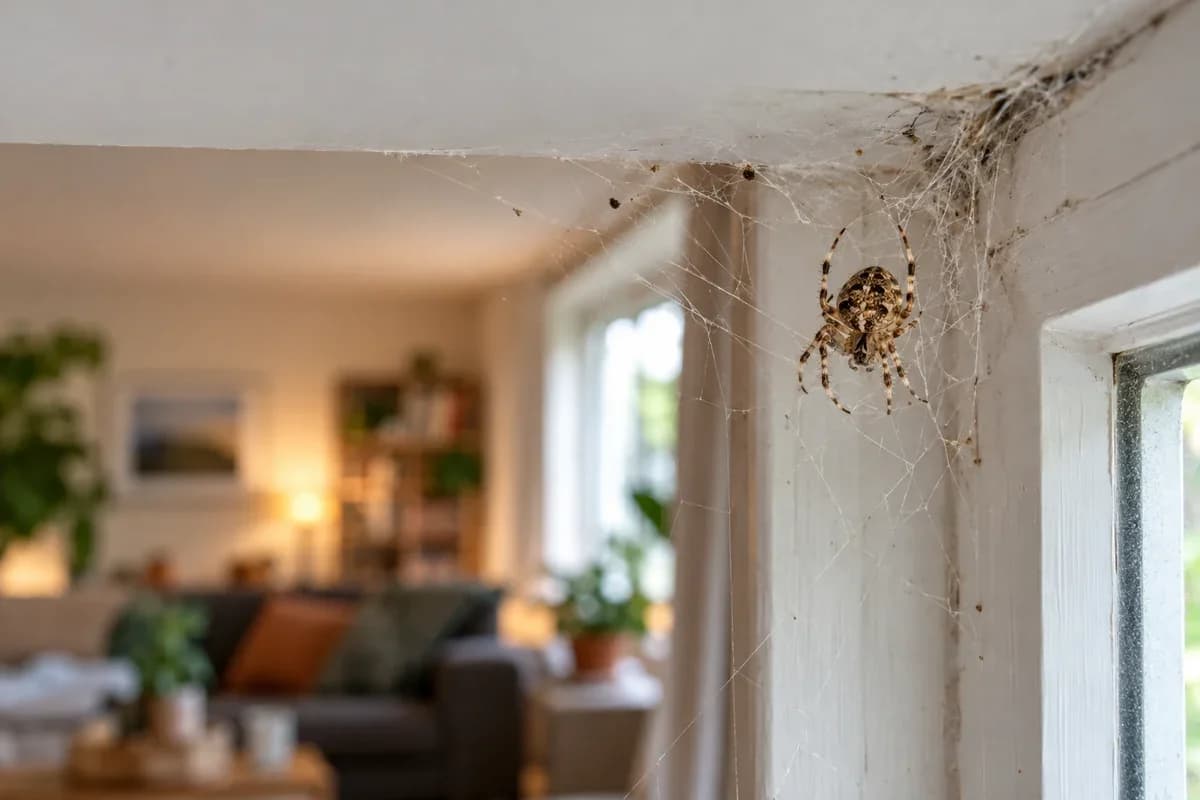
Utah State University Extension notes that these spiders are often found around porches, entryways and garden plants and that adults die off each year, leaving egg sacs that hatch in spring. Some web builders, such as the golden silk spider, belong to related families but spin similar webs.
Common Types You Are Likely to See
The orb weaving spiders people see most often include the marbled, spiny, cross, barn, spotted and golden silk spiders. Each has a different shape or color that makes it easy to tell apart.
Marbled Orbweaver (Araneus marmoreus)
The marbled orbweaver has a bright orange or yellow abdomen marbled with brown, purple and pale spots, so it is sometimes called the pumpkin spider. Penn State Extension describes females as 9 to 20 mm (3/8 to 3/4 in) long. It builds webs in moist woods and tall plants and hides in a silk lined leaf at the edge.
Spiny Orbweaver (Gasteracantha cancriformis)
The spiny orbweaver is the classic hard shell spider, also called a spider with a shell back. Its wide, flat abdomen is covered by a hard shield with six pointed spines, usually red in Florida, and it can be white, yellow or almost black with black spots. The University of Florida describes females as 5 to 9 mm long but up to 13 mm wide, while males are tiny.
Golden Silk Spider (Trichonephila clavipes)
The golden silk spider, sometimes called the banana spider, is one of the largest web builders in North America. Females are 24 to 40 mm (1 to 1 5/8 in) long, with long banded legs, and their webs can span 1 to 2 m (3 to 6 ft). The silk has a golden shine in sunlight. It lives in the southeastern United States, the Caribbean and Central and South America.
Cross, Barn and Spotted Orbweavers
- Cross spider (Araneus diadematus): also called the European garden spider, with a white cross pattern on a brown abdomen. Common in Europe and North America.
- Barn spider (Araneus cavaticus): a large brown spider that builds webs on barns, sheds and porches.
- Spotted orbweaver (Neoscona): the most common brown orb weaver spider in many yards, with a hairy brown or gray abdomen. It builds a new web each evening and hides by day.
- Arrowshaped micrathena (Micrathena sagittata): another hard shelled spider with a yellow, red and black arrow shaped abdomen.
- Yellow garden spider (Argiope aurantia): a large black and yellow spider with a thick zigzag of silk in the center of its web.
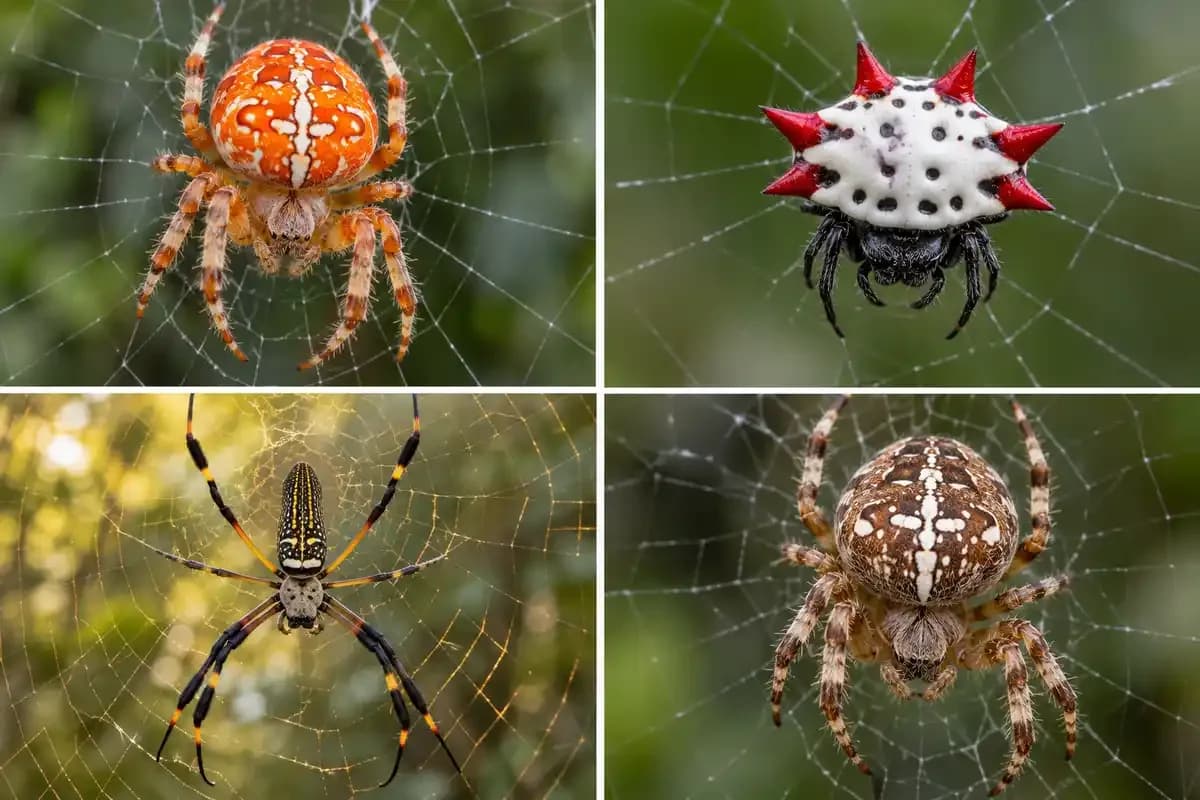
Orb Weaver Identification Chart
Use this chart to match the shape, color and web of the spider you found.
| Spider | Shape and color | Size (female body) | Web and habits | Where |
|---|---|---|---|---|
| Marbled orbweaver | Round, orange or yellow with marbled pattern | 9 to 20 mm | Woods and tall plants, leaf retreat | North America |
| Spiny orbweaver | Wide hard shell with six spines, white, yellow or black | 5 to 9 mm long | Webs with small silk tufts on the threads | Southern US to South America |
| Golden silk spider | Long body, very long banded legs, silver front body | 24 to 40 mm | Huge golden web, stays up for weeks | Southeastern US, tropical Americas |
| Cross spider | Brown, white cross pattern | 6 to 20 mm | Gardens and hedges, rebuilt often | Europe, North America |
| Barn spider | Large, brown, hairy | 14 to 20 mm | Barns, sheds, porches | North America |
| Spotted orbweaver | Brown or gray, hairy, often banded legs | About 5 to 15 mm | New web each evening, hides by day | Worldwide relatives |
| Arrowshaped micrathena | Hard shell, yellow, red and black arrow shape | About 9 mm | Woodland webs | Eastern North America |
| Yellow garden spider | Black and yellow, silver front body | 19 to 28 mm | Zigzag silk band in center | North America |
Colors vary a lot within each species, including red and black forms, so check shape and web as well as color. For other spiders and how they compare, see our guide to the types of spiders or use the Spider Identifier, which also explains common web types.
How Orb Webs Work
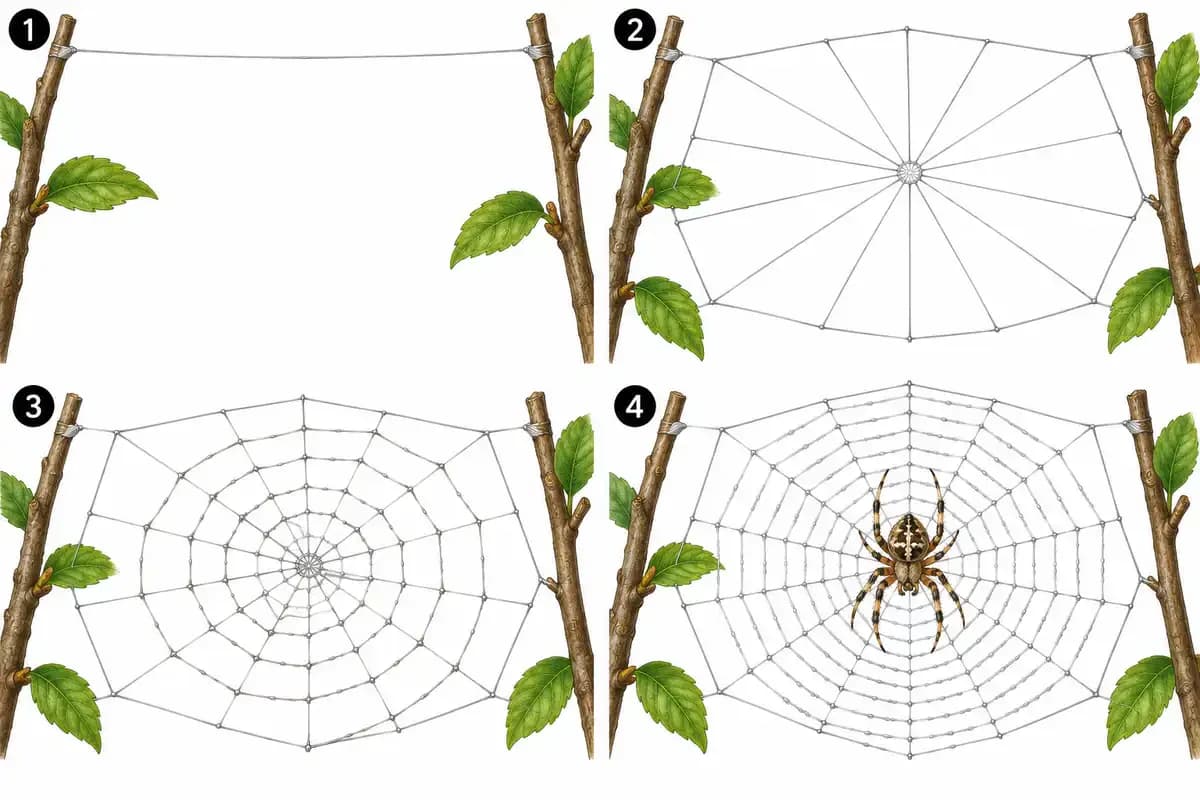
An orb web is a flat trap built in three steps: a frame, straight spokes from the center and a sticky catching spiral. The spider makes the frame and spokes from dry silk, then lays the sticky spiral from the outside in.
- Bridge line: the spider lets a thread drift on the breeze until it sticks to something, then strengthens it.
- Frame and spokes: it adds an outer frame and runs straight spokes to a central hub.
- Temporary spiral: a dry spiral holds everything in place while it works.
- Sticky spiral: it replaces the temporary spiral with sticky silk that traps insects.
Many orb weaving spiders take down and eat their old web each night or morning, recycling the silk proteins, then build a fresh one. Others, like the golden silk spider, keep the same web for weeks and repair damaged parts. Some species add a zigzag band of silk, called a stabilimentum, which may help birds see and avoid the web.
Are Orb Weaver Spiders Poisonous?
No. Orb weaving spiders are not poisonous to touch, and their venom is not dangerous to people. They almost never bite unless squeezed or handled, and they usually drop from the web or play dead when disturbed.
When bites do happen, sources describe them as mild. Penn State Extension says a bite from a marbled orbweaver feels no worse than a bee or wasp sting, and the University of Florida notes that the golden silk spider's bite causes brief, local pain and slight redness. The brown species found in many yards are equally harmless.
Why These Spiders Are Good to Have Around
They catch mosquitoes, flies, moths, aphids and other flying insects, many of which are garden pests. A single large web can trap dozens of insects in a night. Leaving webs that are out of the way, such as between shrubs or along fences, is an easy way to get free pest control.
When and Where You See Them
Most orb weaving spiders are easiest to spot in late summer and autumn, when females are full grown and webs are large. Early morning dew makes webs stand out. They favor gardens, hedges, porches, barns, fields and the edges of woods, especially near lights that attract insects at night. After the first hard frost in cold regions, most adults die, and the next generation waits in egg sacs until spring. If you find a small dark spider with white spots on a web, see our guide to the black spider with white spots on its back.
Found a round bodied spider in a wheel shaped web? Upload a photo to the free ScanaBug Spider Identifier for an instant ID.
Frequently Asked Questions
Sources and References
- University of Florida IFAS. A Spiny Orb Weaver Spider, Gasteracantha cancriformis.
- University of Florida IFAS. Golden Silk Spider, Trichonephila clavipes.
- Penn State Extension. Marbled Orbweaver Spider.
- Utah State University Extension. Orb Weaving Spiders.
- University of California Statewide IPM Program. Spiders.