Do Spider ID Apps Tell You If It's Dangerous?
Most people photographing a spider are not doing it for curiosity alone. They want to know one thing first: is this safe to leave alone, or should I do something about it. A species name by itself does not answer that question, and a surprising number of identification apps stop exactly there, leaving the person to search the name separately to find out if it matters.
Why a Species Name Alone Is Not Enough
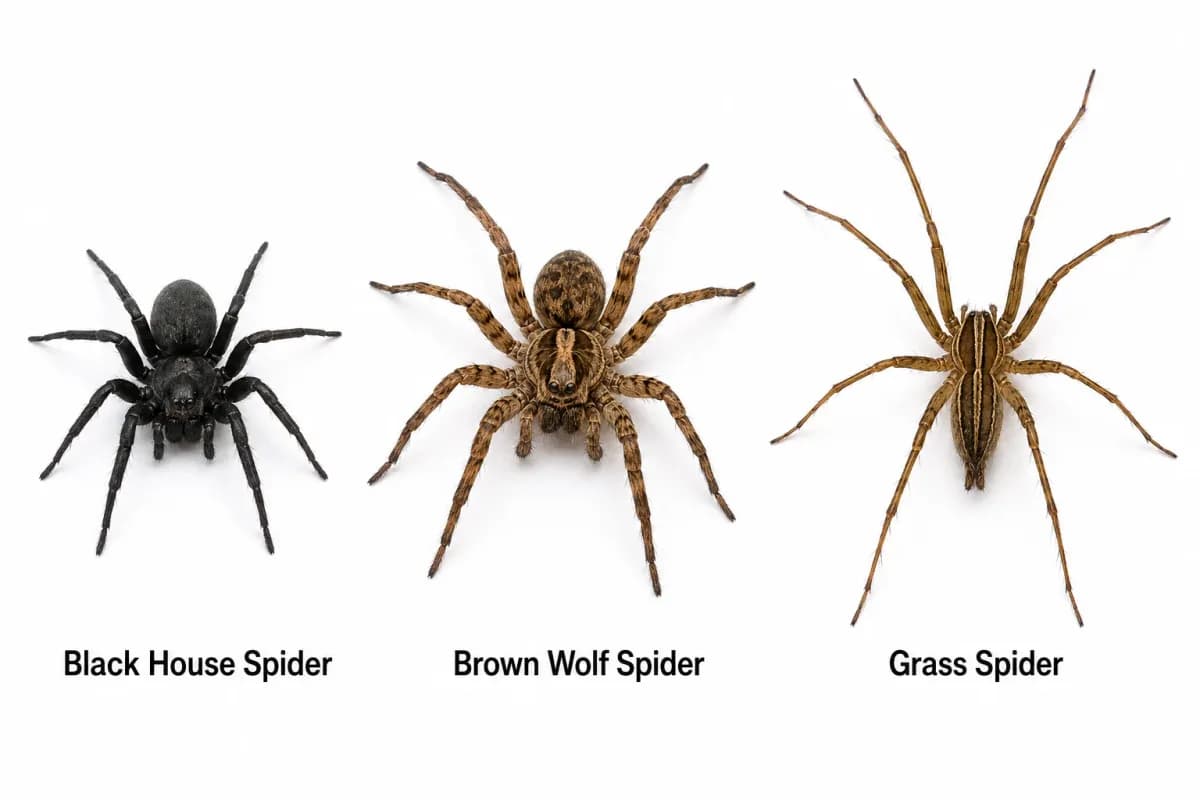
The overwhelming majority of spiders found in or around a home are harmless regardless of size, speed, or how alarming they look up close. A large, fast moving wolf spider causes far more concern than it should purely because of its size, while a small, easily overlooked species can occasionally be the one worth actually paying attention to. Size and appearance are poor stand ins for actual medical significance, which is why a genuinely useful identification result needs to say plainly whether a species is a concern, not leave that judgment to the person holding the phone.
What a Real Danger Rating Should Include
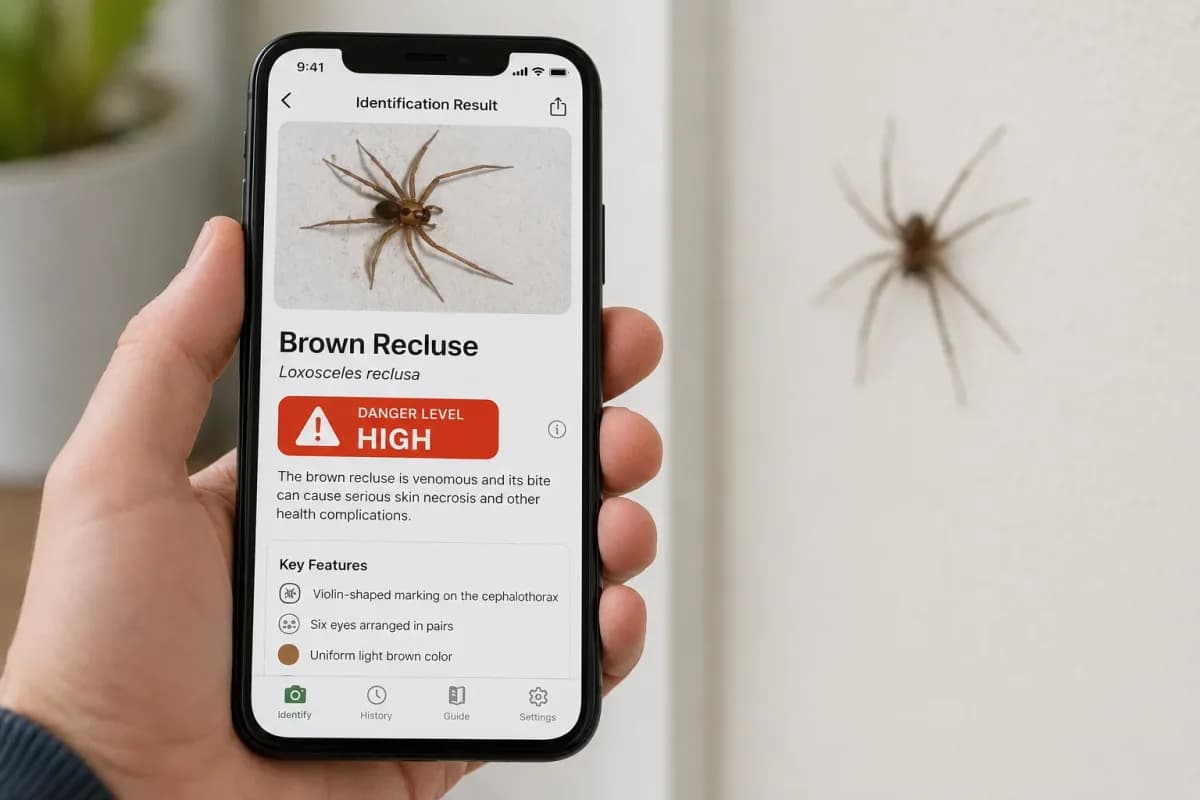
- A clear classification, not just a name: harmless, caution, or avoid, stated in plain language
- A brief next step, not just a label, such as whether to leave it alone, remove it carefully, or seek medical attention if a bite already occurred
- Consistency across similar looking species, so two spiders that look alike but carry different risk levels are not given the same vague treatment
Apps That Include a Danger Assessment
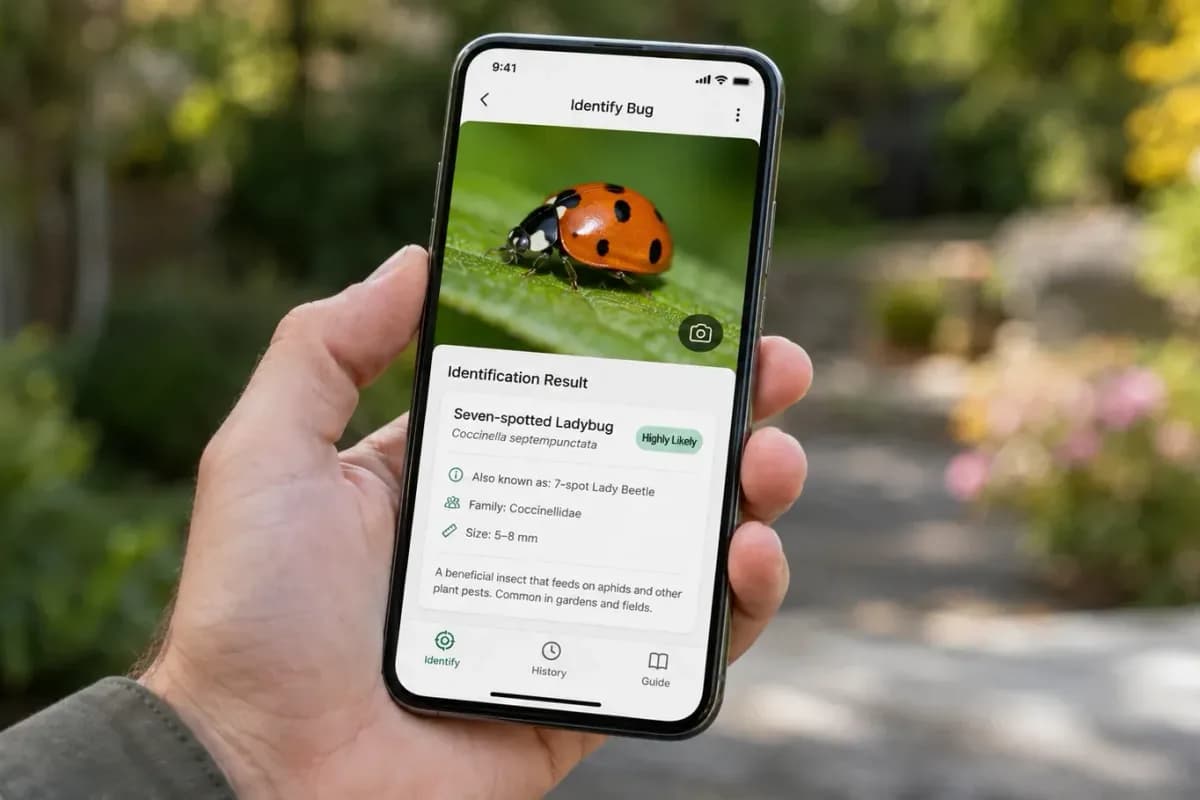
General nature identification apps such as iNaturalist's Seek are built primarily for species logging and cataloging, backed by a genuinely large community that helps confirm harder identifications over time. This design goal is different from a safety triage tool, and it shows in the results: Seek will often return an accurate species name for a spider but does not attach a danger classification to it, leaving that step to the user.
This is not a flaw specific to one app, it reflects what most general identification tools were built to do. A birdwatching app tells you what bird you saw. A plant app tells you what plant you found. Very few of these tools were designed around the specific question a spider sighting actually raises, which is whether it matters.
Where a Purpose Built Spider Tool Works Better
The Spider Identifier on this site was built with the safety question as the priority, not an afterthought. Every result includes a clear danger badge, Harmless, Caution, or Avoid, alongside the species name, and covers the species that actually carry medical significance, including brown recluse and black widow, with specific identifying features for each. For general species logging, cataloging, and community verification across a wide range of wildlife beyond spiders, a broader tool like iNaturalist's Seek remains a strong option, covered in more detail in our general bug identifier app comparison.
Upload a photo to the Spider Identifier for a species name and a clear danger rating together, not just one or the other.