Spider Bites: Pictures, Symptoms and Types
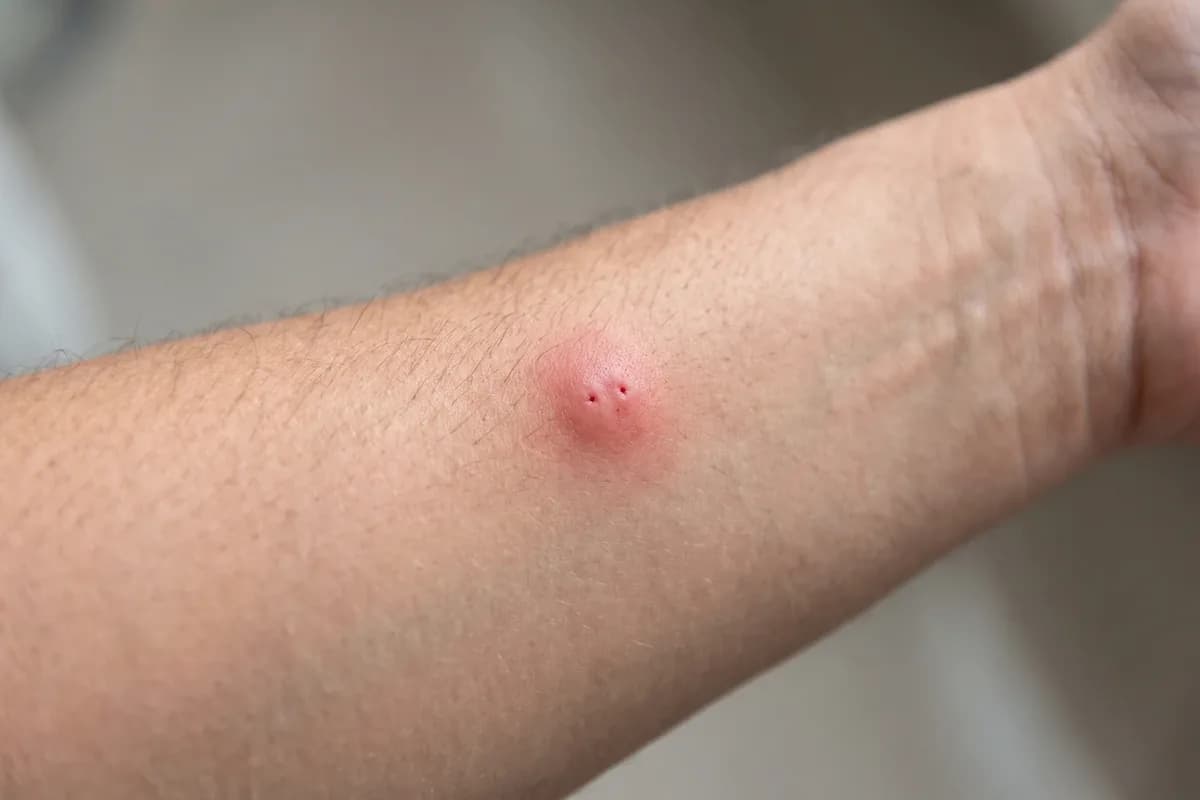
A spider bite usually looks like a single red, slightly swollen bump that may itch or sting, and sometimes it shows two tiny puncture marks in the middle. Most bites from spiders are harmless and fade within a few days. Only a small number of species, such as widow and recluse spiders, cause serious symptoms. Many wounds blamed on spiders turn out to be something else, so this guide shows what real bites look like, how they feel and change day by day, bite types by species and the warning signs that need a doctor.
What Does a Spider Bite Look Like?
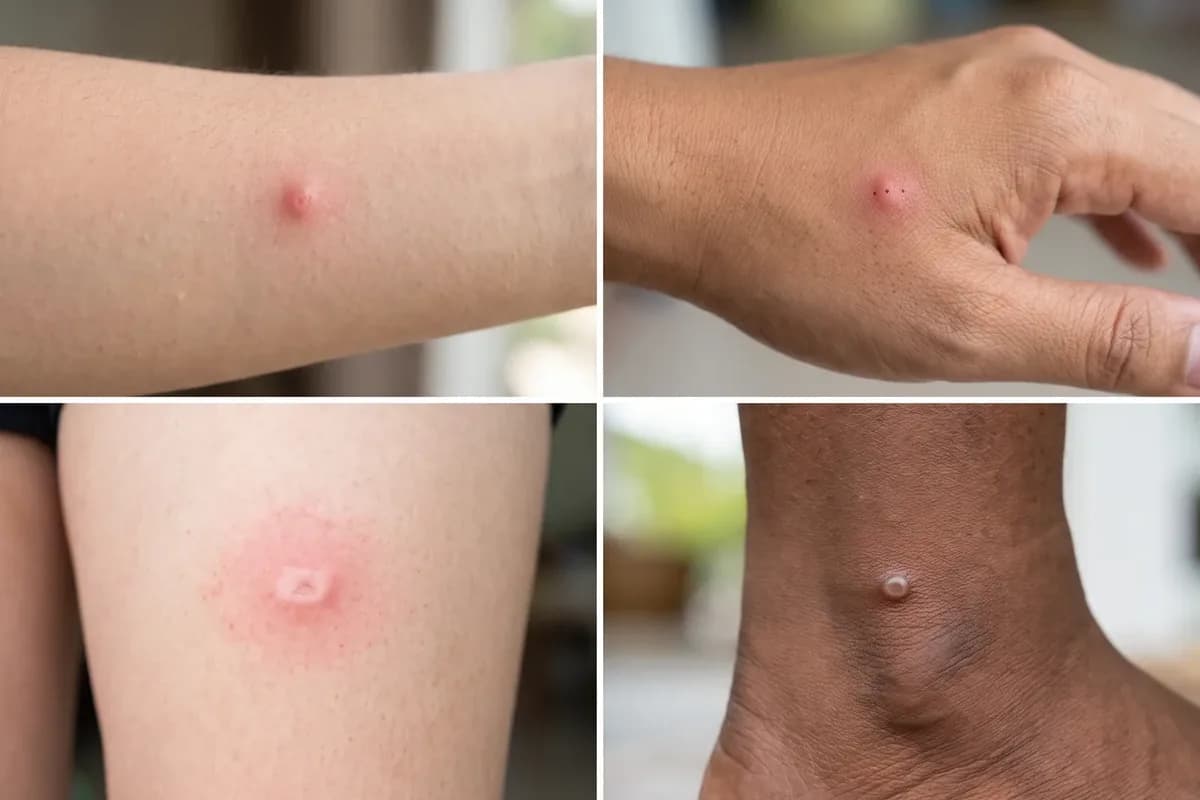
Most bites from spiders look like a small red or pink bump, about the size of a pea, with mild swelling around it. On brown and black skin the bump may look purple, dark brown or gray instead of red, so swelling and warmth are better clues than color.
These are the features people most often see in bite pictures:
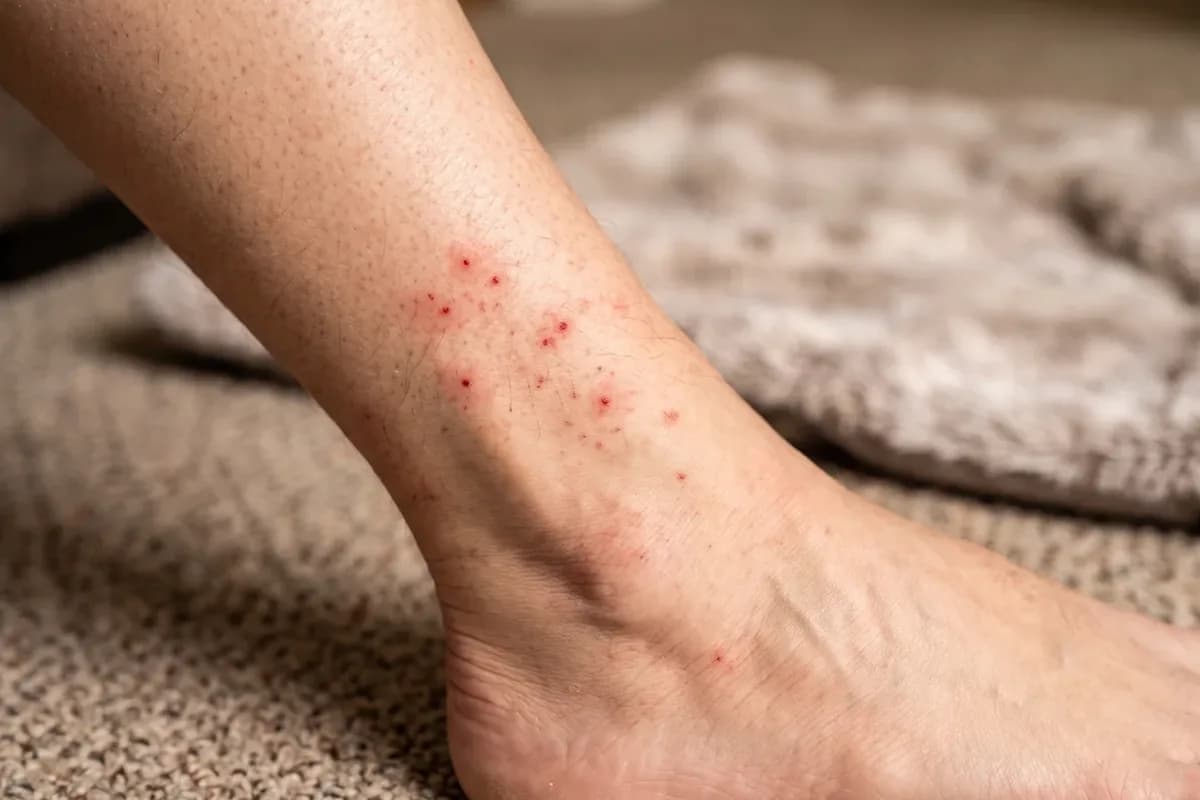
- One bump, not a group: spiders usually bite once. Several bites in a row or a cluster point to fleas, bed bugs or mosquitoes.
- Two tiny holes: some larger spiders leave two puncture marks close together, but they are often too small to see.
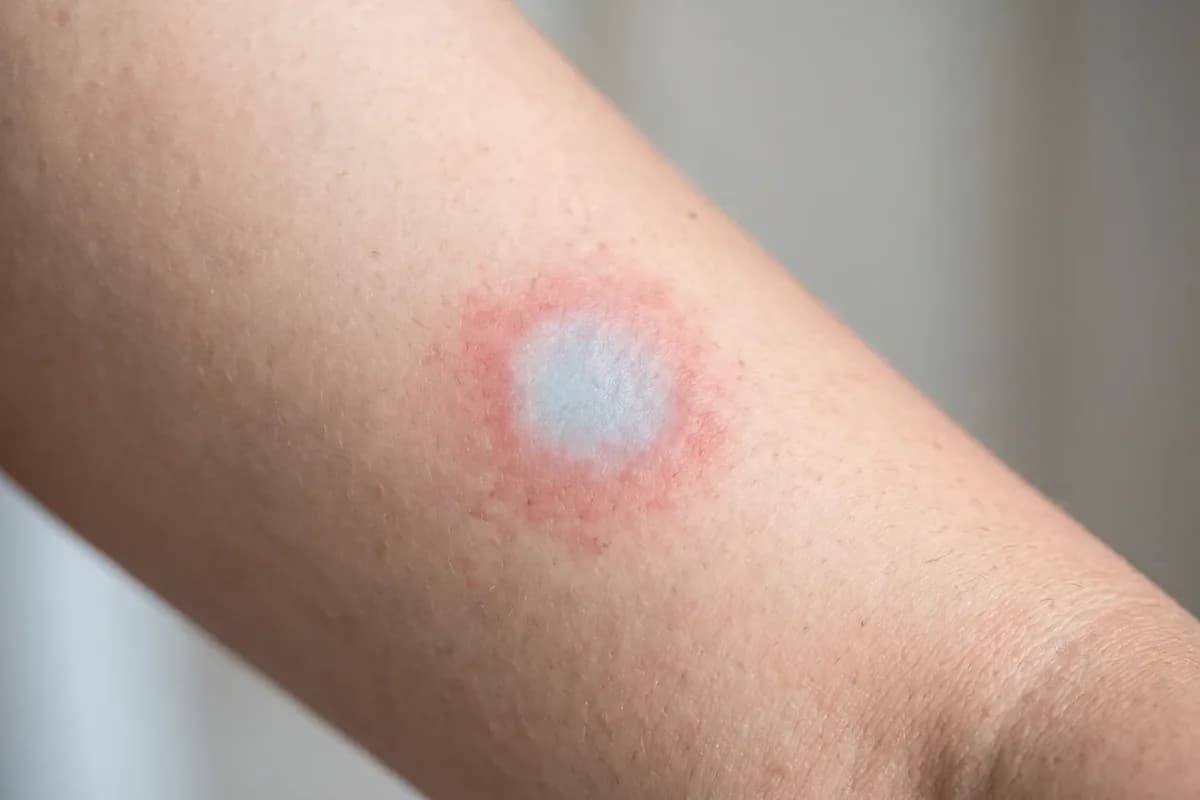
- A red ring: a pale center with a red ring around it can appear with several spiders, including the brown recluse.
- A small blister: some bites form a clear blister within a day.
- A dark center: a blue, purple or black spot in the middle can mean the skin is damaged and needs a doctor.
A bite with a raised white or yellow head full of pus is more likely a skin infection or an ingrown hair than a bite.
How to Tell If a Spider Really Bit You
The surest sign is seeing or catching the spider at the moment of the bite. Without that, doctors cannot confirm this kind of bite by looks alone. A single bump that appeared after reaching into a shoe, glove, box or bed is the most typical story. Our Bug Bite Identifier can compare a photo of your bite with other common bites.
What Does a Spider Bite Feel Like?
Most bites feel like a pinprick or a short, sharp sting, and the spot stays sore for a few hours. Itching, if it comes, is usually mild and starts as the bite heals.
- Common spiders: a brief sting, then a tender bump that may itch for a day or two.
- Black widow: often just a pinprick at first, then pain that spreads to the chest, belly or whole body, with cramps and sweating.
- Brown recluse: a stinging feeling with pain at the spot, and a small white blister usually forms.
- Many very itchy bumps: these point to mosquitoes, fleas, bed bugs or chiggers rather than a spider.
Spider Bite Symptoms
The most common symptoms are pain or a stinging feeling at the bite, redness, mild swelling and itching that fade over a few days. Most people need no more than home care. Signs that affect the whole body, such as muscle cramps, sweating, vomiting or fever, are not typical and need medical care.
| Symptom | Usual bite | Warning sign |
|---|---|---|
| Pain | Mild stinging, fades in hours | Pain that spreads to the belly, back or chest |
| Redness | Small red or dark patch | Redness that keeps spreading or red streaks |
| Swelling | Small, around the bite | Large swelling, or swelling of the face or throat |
| Skin | A bump or small blister | A dark or sunken center, or an open sore |
| Body | No other symptoms | Cramps, sweating, nausea, fever or trouble breathing |
Types of Spider Bites by Species
Different spiders leave different bites, but only a few are medically important. This table covers the species people ask about most.
| Spider | What the bite is like | Danger level |
|---|---|---|
| Most house and garden spiders | Small red bump, brief pain or itch | Low |
| Wolf spider | Painful red bump with swelling, fades in a day or so | Low |
| Jumping spider | Minor pain, itch and redness | Low |
| Yellow sac spider | Painful red bump, sometimes a small blister | Low to medium |
| Hobo spider | Brief pain and redness; no proven skin damage | Low |
| Black widow (Latrodectus) | Two small marks, pain spreading within an hour, cramps | High |
| Brown recluse (Loxosceles) | Mild sting, later a red ring with a pale or blue center | High in some cases |
| Funnel web (Australia) | Severe pain, sweating, twitching within minutes | Emergency |
| Brazilian wandering spider | Strong local pain, rarely body wide symptoms | High |
To learn more, read our guides to the brown recluse bite and the black widow bite. If you have the spider itself, the Spider Identifier can name the species from a photo.
How a Bite Changes Day by Day
A typical bite appears within minutes, is most sore on the first day, starts fading by day 2 or 3 and is gone within about a week.
- First minutes: a small red or dark bump, sometimes with two faint marks.
- Day 1: sore, slightly swollen and warm. This is when it looks its worst.
- Days 2 to 3: swelling and redness shrink. A mild itch may start.
- About a week: most bites have faded, sometimes leaving a small mark or scab.
- Not normal: a large area that turns red and swollen, a bite that becomes more painful, a high temperature, or a wound that grows darker or opens after the first day.
Where and When Do Spiders Bite People?
Spiders bite people mostly at home, in sheds and garages, and while gardening, usually when a hand, foot or body presses against a hidden spider. They do not hunt people or seek out sleeping humans.
- Clothes and shoes: putting on a boot, glove or shirt left on the floor or in storage.
- Beds and couches: rolling onto a spider that wandered into bedding at night.
- Storage and yard work: reaching into boxes, woodpiles, firewood or garden debris.
Most bites happen in warm months. The University of California notes that spiders generally bite only when squeezed, lain on or otherwise provoked.
Most "Spider Bites" Are Something Else
Most skin wounds blamed on spiders are actually caused by bacteria, other bugs or skin conditions. A review by Vetter and Isbister found that many lesions labeled this way had other causes, and UC Riverside lists bacterial infections such as MRSA among the most common mix ups.
- Skin infections: a red, hot, swollen bump with pus is a classic sign of a staph or MRSA infection, not a spider.
- Other bites: fleas, bed bugs, mosquitoes, mites and ticks bite far more often than spiders and usually leave several bites.
- Ingrown hairs and pimples: small raised bumps with a white head.
- Rashes and other conditions: shingles, poison ivy and some skin diseases can form sores that look like bites.
Clues That Point Away From a Spider
- Several bumps, especially in a line or cluster.
- Pus, oozing or a moist sore.
- A bump raised more than about 1 cm (3/8 in) above the skin.
- A sore in a region where no medically important spiders live.
For one common lookalike, see our guide to flea bites.
Harmless vs Dangerous Spider Bites
A harmless bite stays small and improves within a few days, while a dangerous one spreads, darkens or causes symptoms across the body. Most bites need only home care. Spiders are venomous rather than poisonous, since venom is injected, but the everyday meaning is the same: a bite with strong effects.
How to Tell If a Bite Is Dangerous
- Black widow signs: pain that spreads from the bite to the belly, back or chest within about an hour, muscle cramps, sweating and nausea.
- Recluse signs: a mild sting at first, then over hours a red ring around a pale, blue or purple center, sometimes with a blister that may turn into an open sore over days.
- Funnel web signs (Australia): severe pain, sweating, drooling and muscle twitching within minutes, needing a pressure bandage and urgent care.
Young children, older adults, pregnant people and anyone with heart disease or a weak immune system can react more strongly, so any bite that may come from a widow, recluse or funnel web spider should be checked the same day.
What to Do Right Away
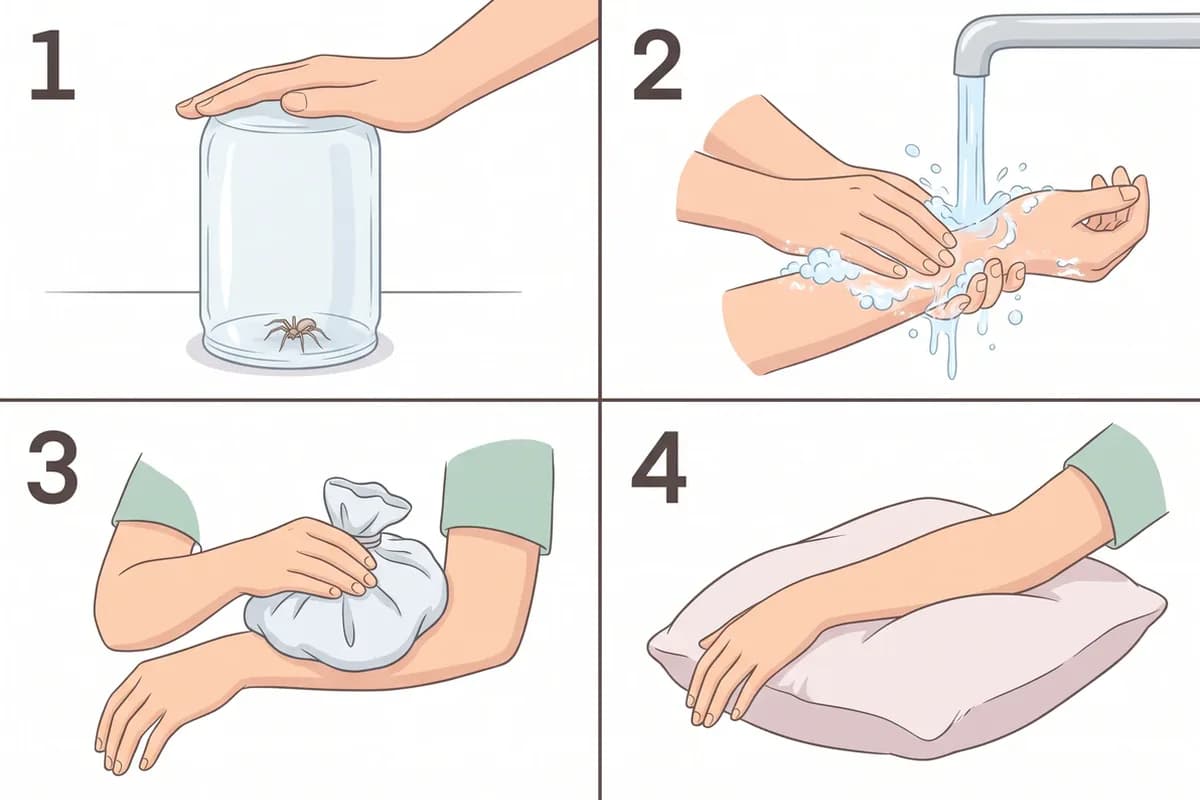
- Move away from the spider, and catch it in a jar if you can do so safely. A photo of the spider helps a doctor.
- Wash the bite gently with soap and water.
- Hold a cold pack wrapped in a cloth on the bite to ease pain and swelling, at least 20 minutes if it is swollen.
- Raise the arm or leg if the bite is on a limb.
- Watch the bite over the next few days for the warning signs below.
For pain or itching, paracetamol (acetaminophen) or ibuprofen, an antihistamine and hydrocortisone cream can help, following the label. Do not scratch, cut or suck the bite. Our home treatment guide covers first aid and medicines in more detail.
When to See a Doctor
- Pain, cramps or sweating that spread beyond the bite.
- A center that turns dark, blue, purple or black, or a wound that opens.
- Redness, warmth or red streaks spreading from the bite, or fever.
- Any bite on a young child, an older adult or someone with a weak immune system that is getting worse.
Call emergency services for trouble breathing, swelling of the face or throat, or fainting. This information is for general education and is not medical advice.
Not sure what bit you? Upload a clear photo to the free ScanaBug Bug Bite Identifier for an instant answer with the likely cause and a danger level.
Frequently Asked Questions
Sources and References
- Vetter RS, Isbister GK. Medical Aspects of Spider Bites. Annual Review of Entomology, 2008.
- University of California Riverside, Department of Entomology. What Is Not a Recluse Bite.
- CDC National Institute for Occupational Safety and Health. Venomous Spiders at Work.
- University of California Statewide IPM Program. Spiders.
- Australian Museum. Sydney Funnel Web Spider.
- NHS 111 Wales. Insect Bites and Stings. Health A to Z.