Black Widow Bite: Symptoms, Pictures, Treatment
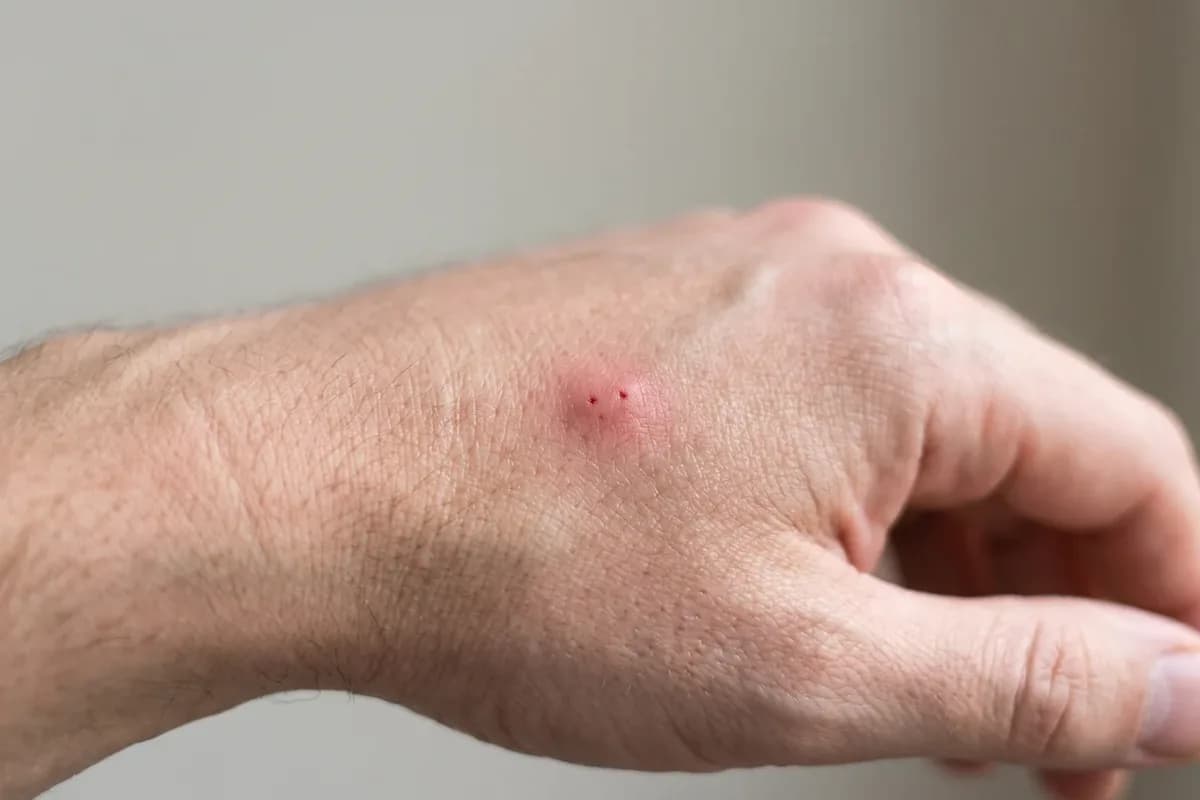
A black widow bite often looks like a tiny red mark, sometimes with two faint fang punctures, but within about 15 minutes to an hour it can cause pain and muscle cramps that spread from the bite to the belly, back or chest. The venom acts on nerves rather than skin, so the mark stays small while symptoms build. Bites are uncommon and deaths are very rare with modern care. This guide shows what the bite looks like, how symptoms change hour by hour, how brown and false widow bites differ and how bites are treated.
What Does a Black Widow Bite Look Like?
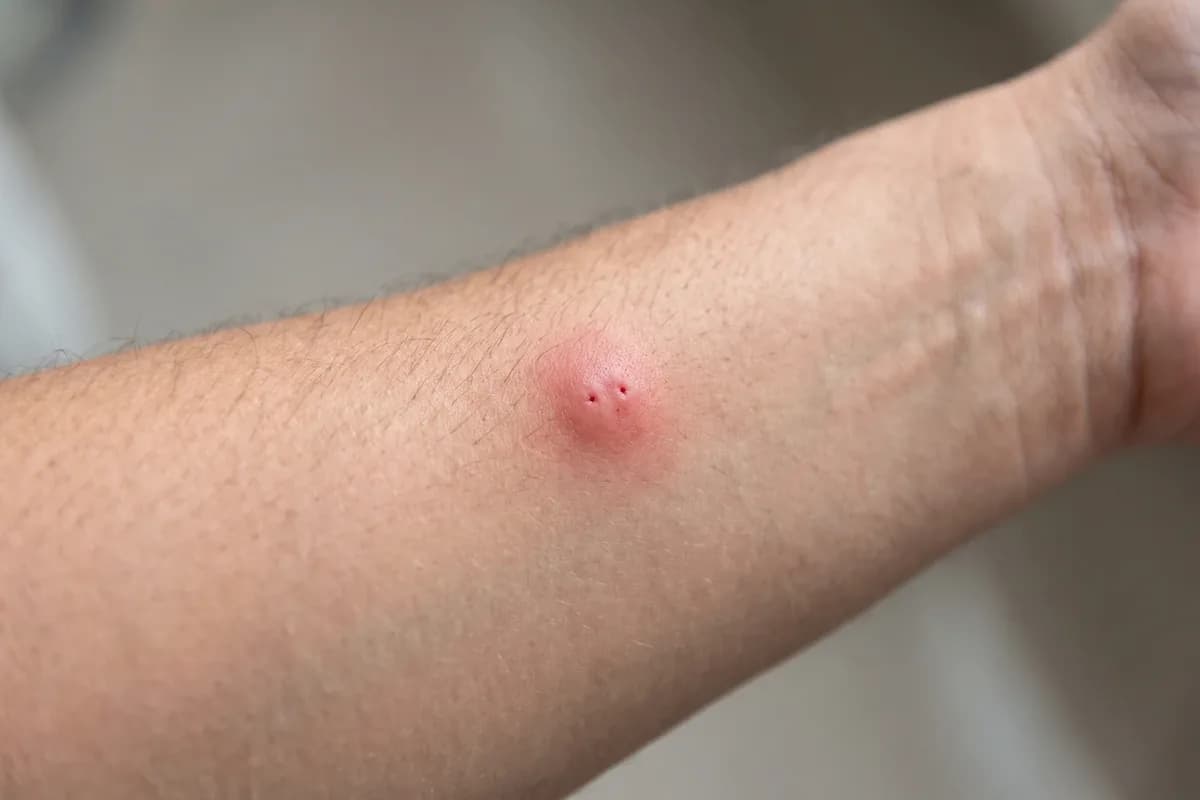
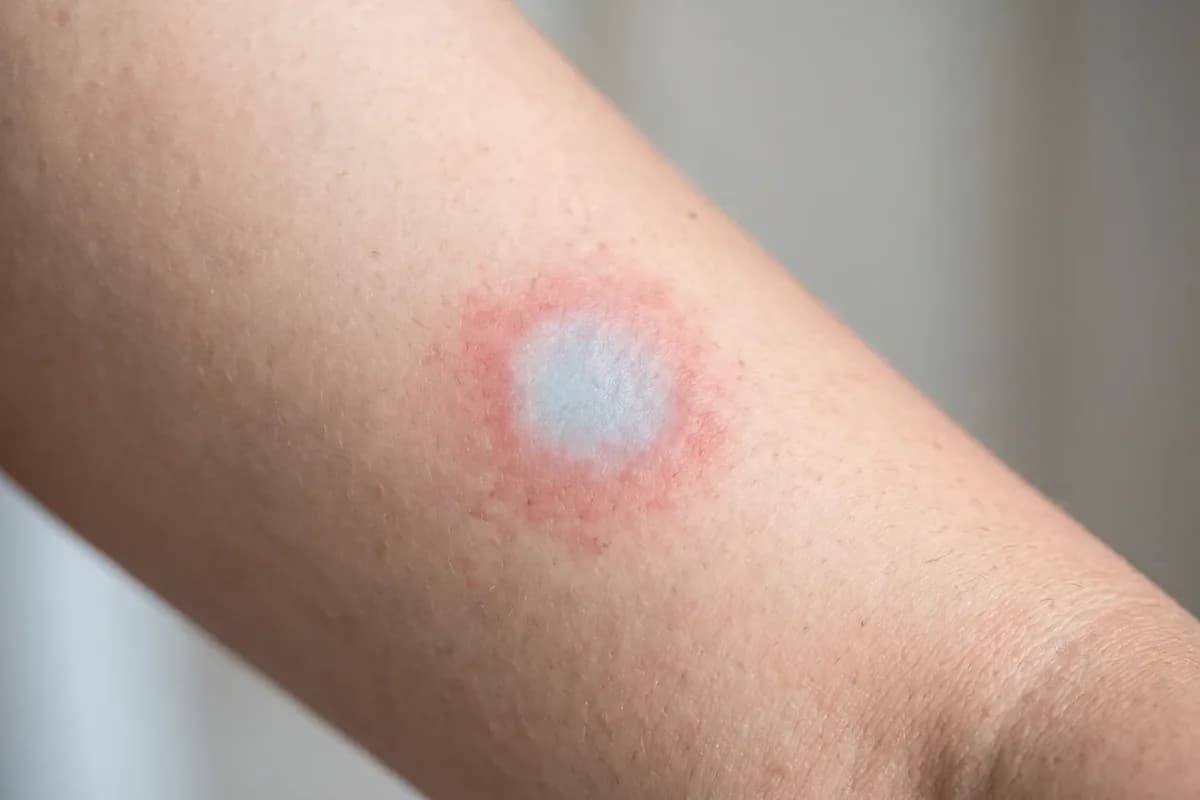
The bite itself is usually small and easy to miss: a red dot or tiny bump, sometimes with two pinpoint puncture marks about 1 mm apart and a little redness or swelling around it. A target shaped sore can form, with a pale center and red ring.
- Two fang marks: often present but very faint.
- Little swelling: the skin changes stay mild, unlike recluse bites.
- Sweating at the site: the skin around the bite may sweat or have goosebumps.
- Redness: a small red area or ring that does not grow much.
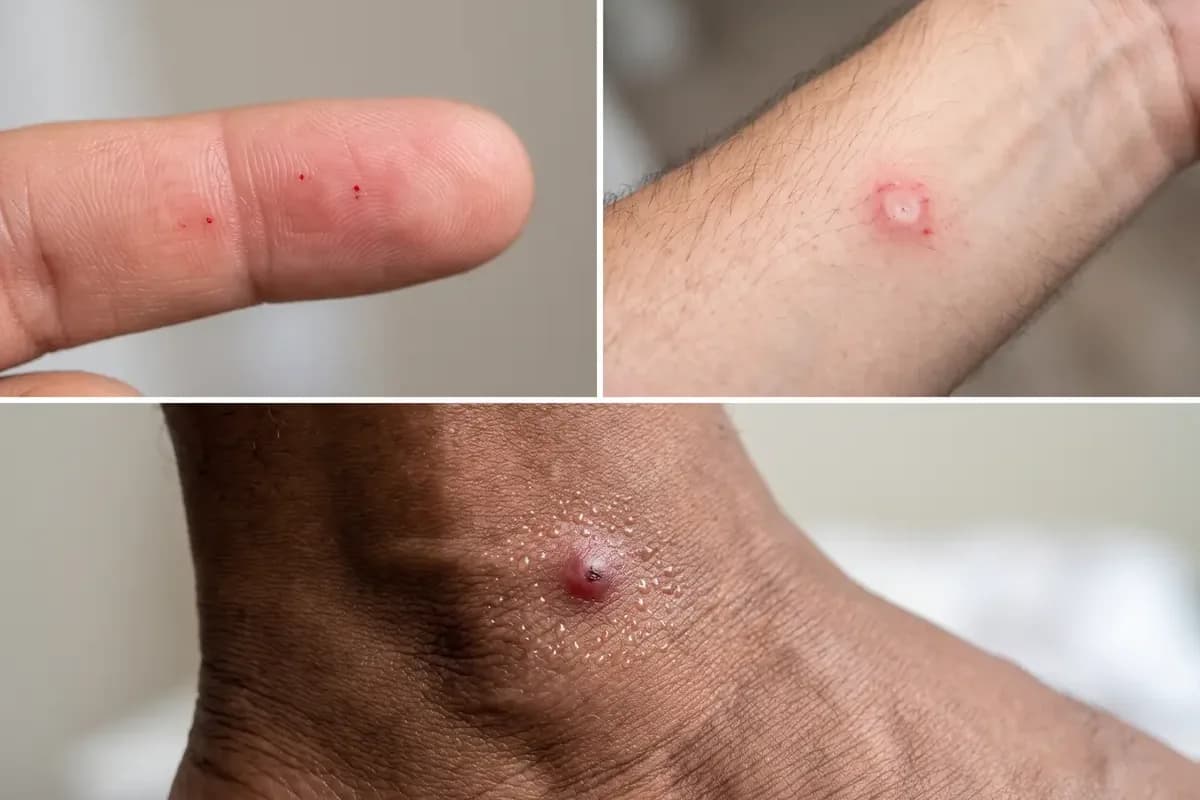
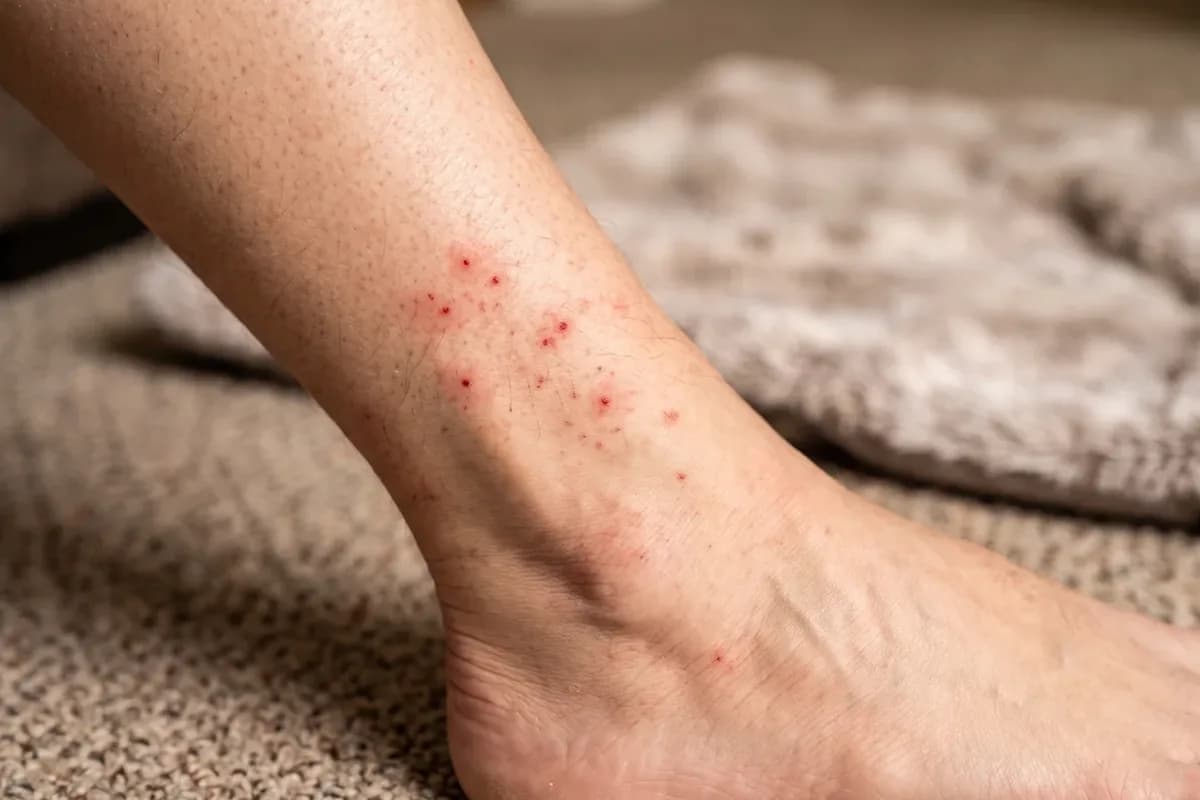
Pictures of widow bites can be misleading, because the most important signs are what the person feels, not what the skin shows. A small mark with spreading cramps is far more telling than the mark itself.
Does a Black Widow Bite Hurt?
Often only a little at first. Many people feel a sharp pinprick, and some feel nothing at all. Pain usually grows over the following 15 minutes to two hours as the venom spreads, and the cramps can become severe.
Black Widow Bite Symptoms and Timeline
Symptoms usually start within an hour, peak over the next several hours and improve within two to three days, though milder aches can last weeks. Where the pain spreads depends on the bite site: bites on the upper body cause mostly chest pain, while bites on the legs cause mostly belly pain, which can feel like appendicitis or a heart problem.
| Time after the bite | What usually happens |
|---|---|
| Minutes | Pinprick or nothing; small red mark, maybe two fang dots |
| 15 to 60 minutes | Dull ache spreads from the bite; local sweating |
| 1 to 3 hours | Muscle cramps and stiffness in the belly, back, chest or thighs; nausea, headache, sweating |
| 3 to 12 hours | Symptoms are often strongest; raised blood pressure and restlessness are possible |
| Day 1 to 3 | Severe symptoms usually begin to ease |
| Up to several weeks | Mild aches, weakness and tiredness may linger |
Other Symptoms
- Heavy sweating, often on the bitten limb or over the whole body.
- Nausea, vomiting and a pounding headache.
- Raised blood pressure, fast heartbeat and anxiety.
- Swelling of the eyelids or face hours after the bite.
- Trouble breathing in severe cases.
Could this be a widow bite? Upload a clear photo to the free ScanaBug Bug Bite Identifier for an instant answer with the likely cause and a danger level, without leaving this page.
Numbness and Muscle Cramps
Painful muscle cramps are the hallmark of a widow bite and come from the venom acting on nerve endings. This reaction is called latrodectism, after the widow genus Latrodectus. The belly can become hard and rigid, and cramps may move to the back, chest, shoulders or thighs. Some people feel tingling, numbness or burning skin near the bite or along the limb. These symptoms are the main reason to seek care, since they rarely happen with other common spider bites. For a broader comparison, see our main guide to spider bites.
Brown Widow and False Widow Bites
Brown widow bites are usually milder than black widow bites, and false widow bites are mild in most cases. Both spiders are often mistaken for black widows.
- Brown widow (Latrodectus geometricus): the venom is about as strong drop for drop, but the spider is smaller and injects less, so most bites cause only local pain and redness.
- Northern and western widows: bites cause the same type of symptoms as the southern black widow.
- Redback (Australia): a close relative with similar symptoms; antivenom is available and no deaths have occurred since it was introduced.
- False widows (Steatoda): bites usually cause pain similar to a wasp sting, lasting one to 12 hours.
A male black widow bite is not a concern, because males are small and rarely able to bite through skin. To check the spider itself, use our Spider Identifier.
Widow Bites Compared With Other Spider Bites
A widow bite mainly affects nerves and muscles, while most other spider bites mainly affect the skin. This table shows the key differences.
| Spider | Skin at the bite | Main symptoms | Timing |
|---|---|---|---|
| Black widow | Tiny mark, maybe two fang dots | Spreading pain, cramps, sweating | Within 15 to 60 minutes |
| Brown recluse | Pale or blue center, red ring, may blister | Local pain, slow skin damage | Hours to days |
| Wolf spider | Painful red bump | Local pain and swelling | At once, fades in a day |
| False widow | Small red bump | Pain like a wasp sting | At once, fades in hours |
For a closer look at recluse bites, see our guide to the brown recluse bite.
Who Is Most at Risk?
Young children, older adults, pregnant people and anyone with heart disease or high blood pressure are most at risk of serious symptoms. Smaller bodies receive a larger dose of venom for their size, and the raised blood pressure and fast heartbeat caused by the venom can strain the heart. Pregnant women may go into early labor after a severe bite. These groups should always get medical care after a suspected widow bite, even if the first signs seem mild.
Black Widow Spider Bite Treatment
Anyone with a suspected widow bite and spreading pain, cramps or sweating should get medical care, especially children, older adults, pregnant people and anyone with heart or blood pressure problems.
First Aid While You Get Help
- Call emergency services or poison control if symptoms spread or the person is a child, older or pregnant.
- Wash the bite with soap and water.
- Apply ice wrapped in a cloth for 10 minutes, then remove it for 10 minutes.
- Keep the limb still and at heart level if possible.
- Remove rings and loosen tight clothing near the bite in case of swelling.
- Bring the spider in a sealed jar if it can be caught safely.
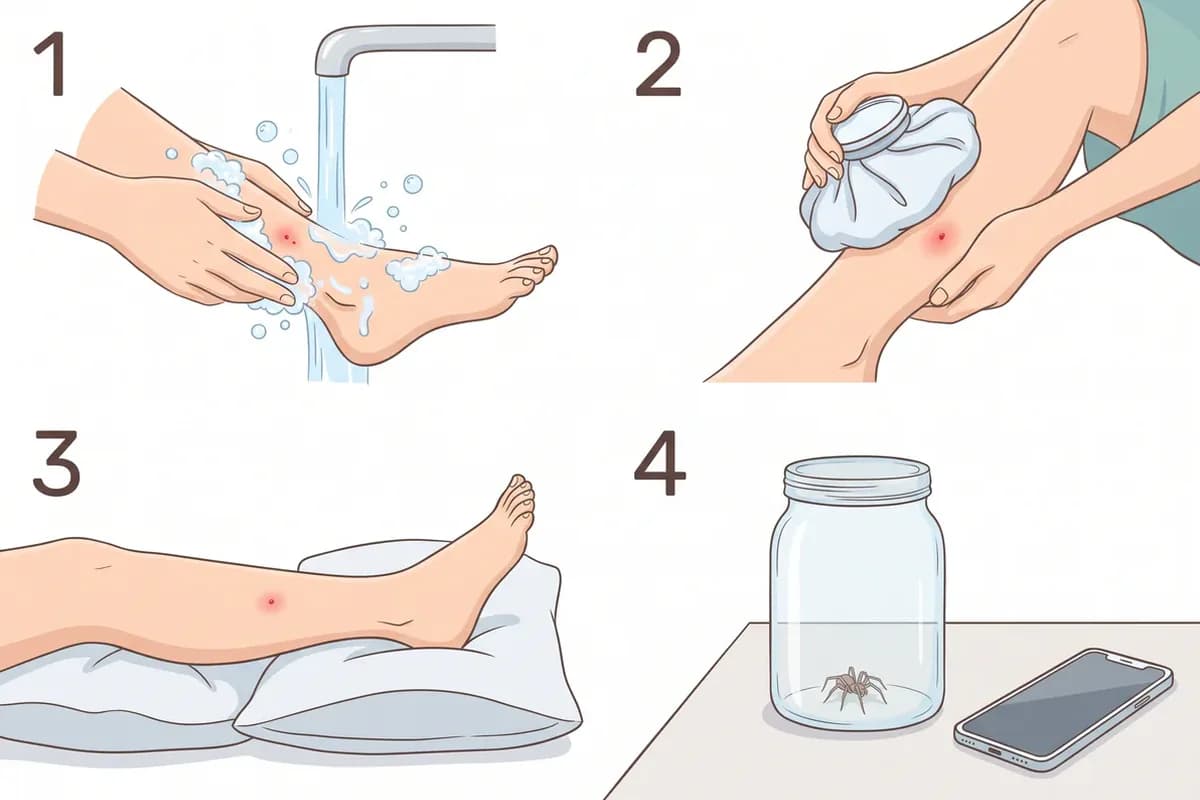
Do not cut the bite, try to suck out venom or apply a tourniquet.
Hospital Treatment
Doctors treat the pain and cramps with pain relievers and muscle relaxing medicines, give fluids and watch blood pressure and breathing. Antivenom is available but is usually saved for severe cases, because it is made from horse serum and can cause allergic reactions. Most people go home within a day. For general first aid after any spider bite, see our guide to spider bite treatment. This information is for general education and is not medical advice.
Can a Black Widow Bite Kill You?
Death from a widow bite is very rare today. Penn State Extension reports about 2,200 bites a year in the United States and no recorded deaths since 1983. Young children, older adults and people who are already seriously ill face the greatest risk, which is why they should always be seen quickly. For healthy adults, the main problem is severe pain and cramps that can last several days, so early treatment still matters.
When to Go to the Emergency Room
Go straight to emergency care, or call emergency services, if any of these appear after a possible widow bite.
- Trouble breathing or chest tightness.
- Severe cramps in the belly, back or chest, or a rigid belly.
- Very high blood pressure signs, such as a pounding headache with a racing heart.
- A bite on a high risk person: a young child, an older adult, a pregnant person or anyone with heart disease, even if symptoms seem mild.
- Spreading pain that is getting worse an hour or two after the bite.
Get professional medical care right away after a venomous spider bite and do not try to remove the venom yourself. Bring the spider or a photo of it if you can do so safely. This information is for general education and is not medical advice.
How to Avoid Widow Bites
Most bites happen when a hand or foot presses into a web in a dark, quiet place, such as a woodpile, shed, garage corner, outdoor toilet or shoe left outside.
- Wear gloves when moving wood, rocks or stored items.
- Shake out boots, gloves and outdoor cushions before use.
- Clear clutter and webs from garages, sheds and under decks.
- Look before reaching into dark corners and meter boxes.
- Keep firewood off the ground and away from house walls.
Widows live in many parts of the world beyond North America, so the same habits help in gardens and sheds everywhere.
Frequently Asked Questions
Sources and References
- MedlinePlus, US National Library of Medicine. Black Widow Spider.
- Penn State Extension. Southern Black Widow Spider.
- University of California Statewide IPM Program. Widow Spiders and Their Relatives.
- CDC National Institute for Occupational Safety and Health. Venomous Spiders at Work.
- Natural History Museum, London. How Dangerous Are False Widow Spiders?
- Australian Museum. Redback Spider.