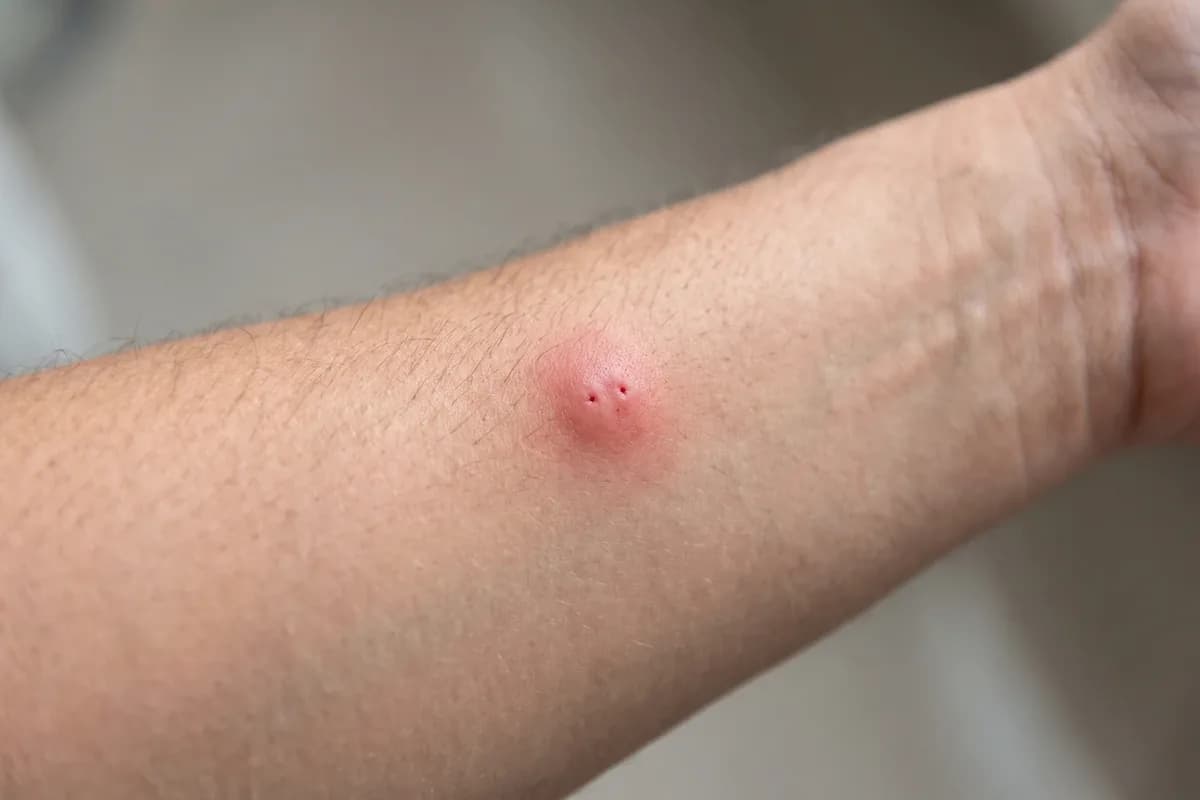
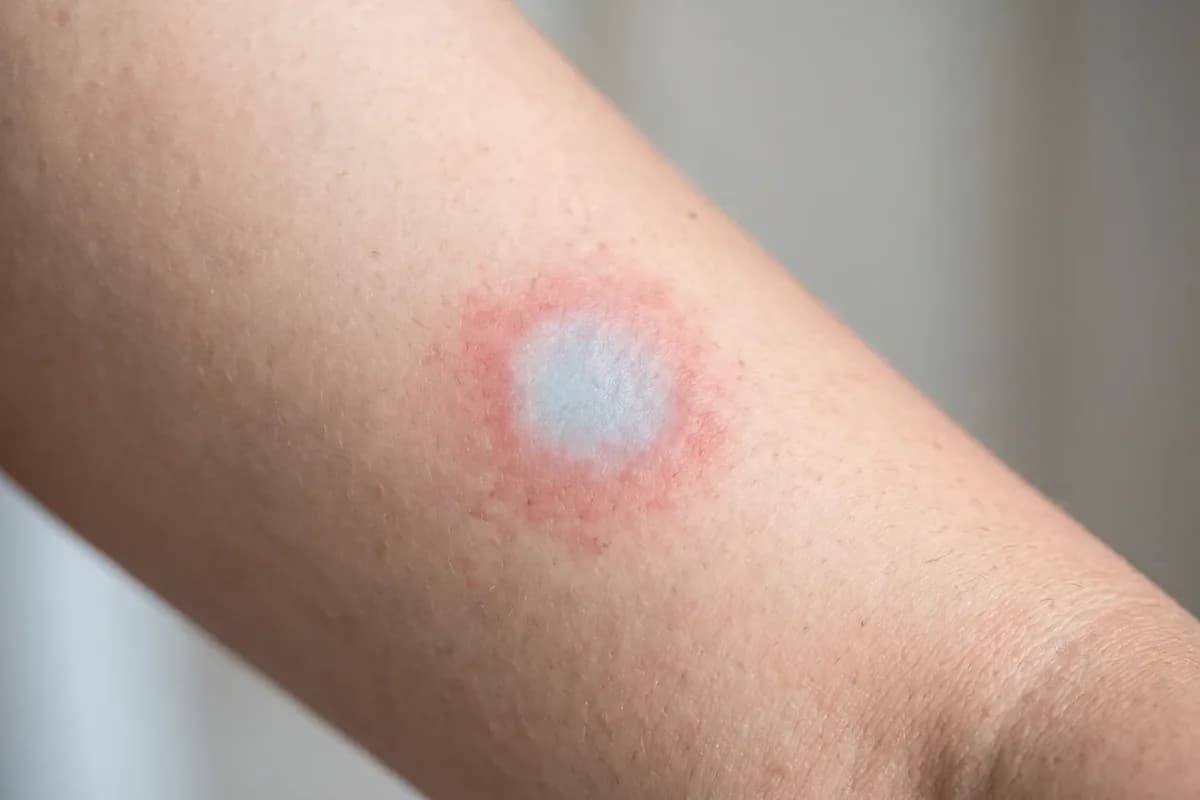
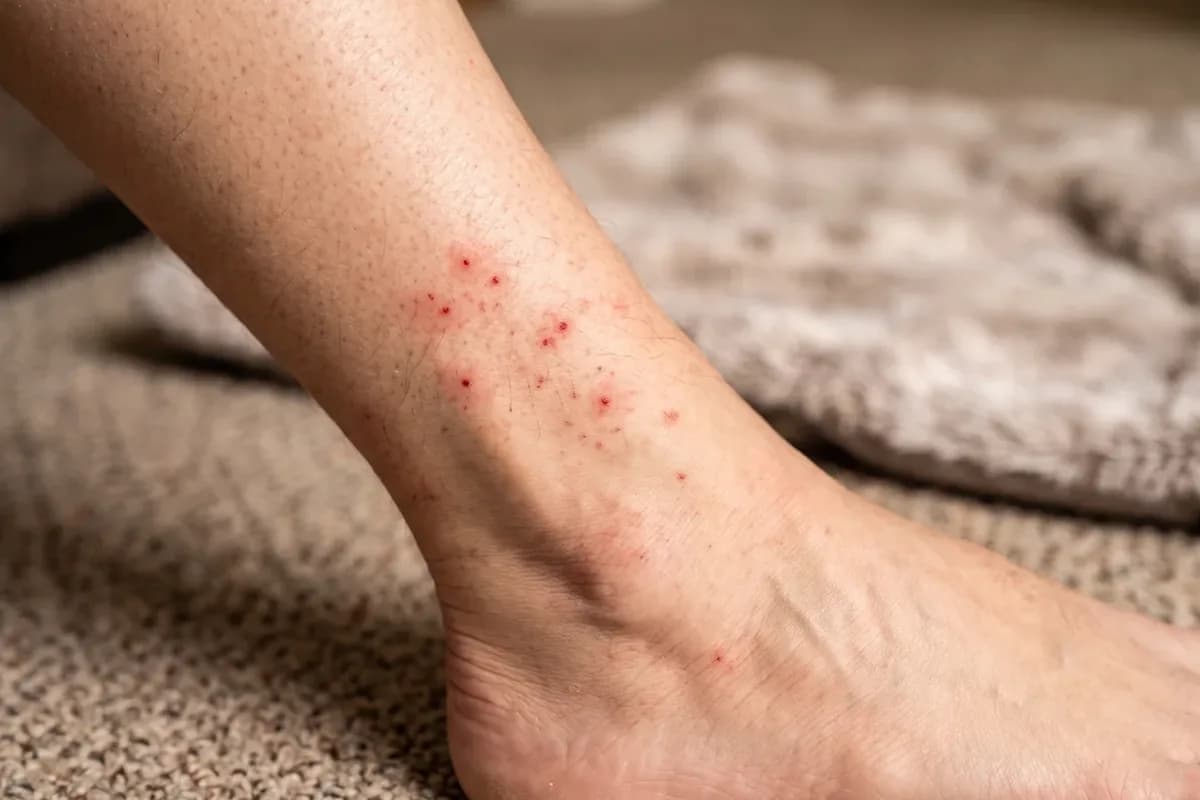
Spider Bite Treatment: How to Treat It at Home
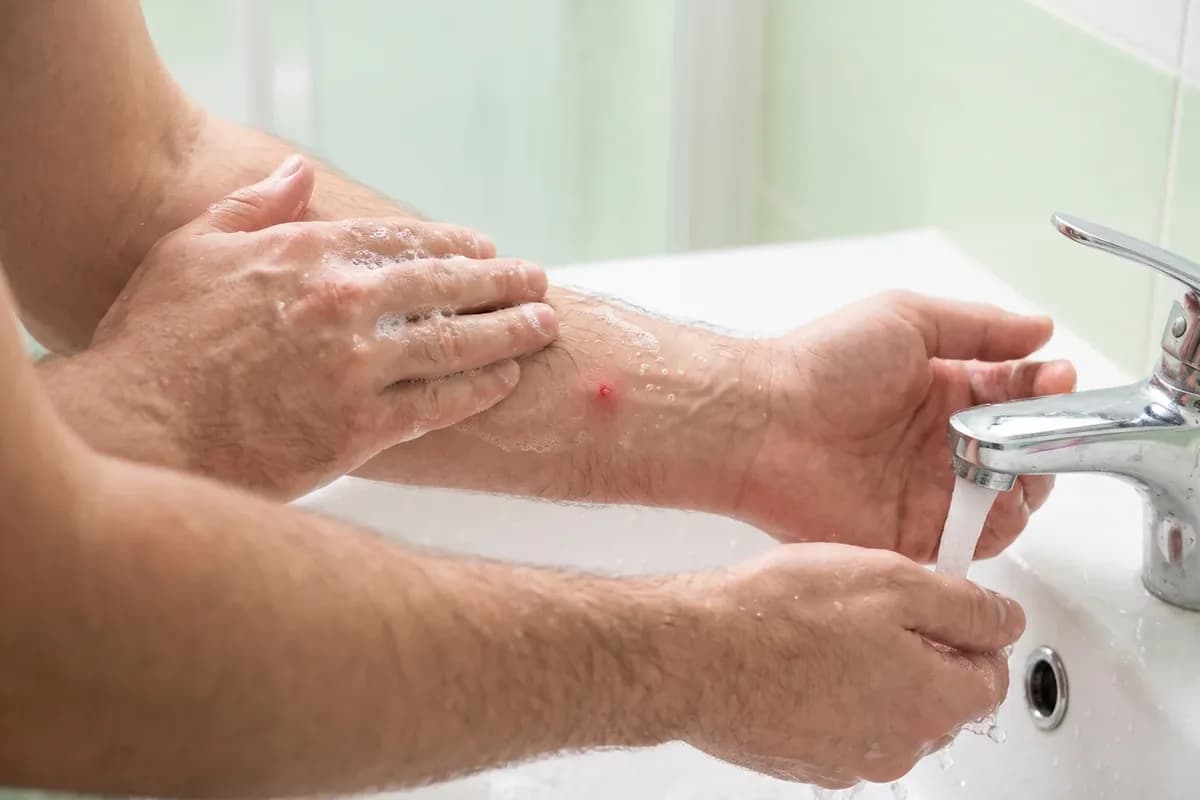
Spider bite treatment at home is simple for most bites: wash the bite with soap and water, apply a cold compress, raise the limb and take a pain reliever or antihistamine if needed. Most bites from spiders heal on their own within a few days to two weeks. A small number, mainly from widow and recluse spiders, need a doctor. This guide covers first aid, what to put on the bite, medicines that help, remedies to avoid, healing time and the signs that mean home care is not enough.
Spider Bite Treatment: First Aid Steps
The first steps are to stay calm, clean the bite, cool it and keep the area still and raised.
- Stay calm and move away from the spider.
- Identify the spider if it is safe. Catch it in a jar or take a photo, since this helps a doctor choose the right care.
- Wash the bite gently with soap and water.
- Apply a cold, damp cloth or ice wrapped in a cloth to reduce swelling and pain.
- Raise the bitten area if it is an arm or leg.
- Do not try to remove the venom by cutting, sucking or squeezing.
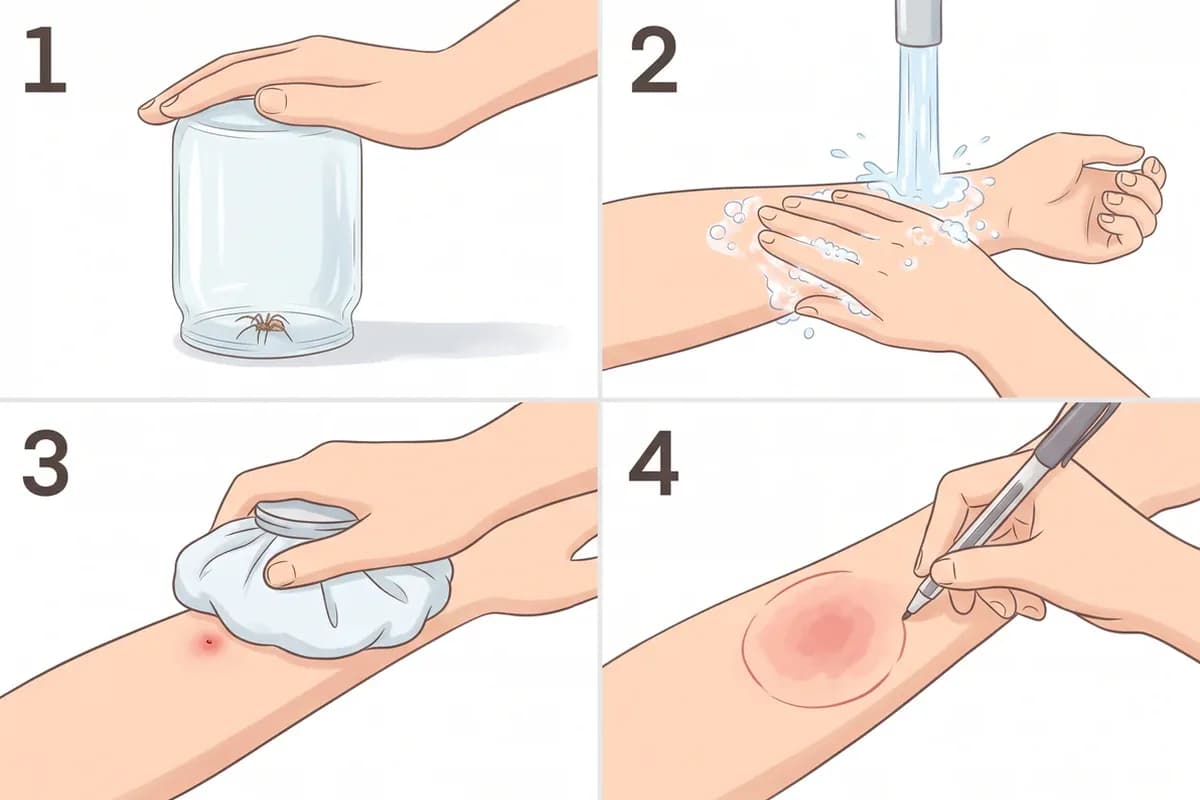
Remove rings, watches and tight clothing near the bite in case it swells. Mark the edge of any redness with a pen so you can tell later whether it is spreading.
What to Put on a Spider Bite
For most bites, soap and water, a cold compress and a thin layer of anti itch cream are all you need. Keep the bite clean and dry, and cover it with a loose bandage if it is scratched or blistered.
| What to use | When it helps | Notes |
|---|---|---|
| Soap and water | Every bite, straight away | Gentle washing removes dirt and bacteria |
| Cold compress | Pain and swelling | Wrapped in a cloth, never ice on bare skin |
| Antiseptic wash or wipe | Scratched or broken skin | Use once or twice a day; not needed on intact skin |
| Antibiotic ointment | Small scratches or an open blister | A thin layer under a clean bandage |
| 1% hydrocortisone cream | Itch and redness | Do not use on open or infected wounds |
| Calamine lotion | Itch | Cooling and gentle for children |
Do not put heat, alcohol, bleach, vinegar or home made pastes on the bite. Heat can increase swelling and, with recluse bites, may make skin damage worse.
Antihistamines and Pain Relief
Over the counter pain relievers ease pain and swelling, and antihistamines help with itching.
- Ibuprofen: eases pain and swelling together. Avoid if you have stomach ulcers or kidney problems, or are told not to take it.
- Acetaminophen: eases pain and is gentle on the stomach.
- Non drowsy antihistamines, such as cetirizine or loratadine, help itch during the day.
- Diphenhydramine: may help itch at night but causes sleepiness.
Follow the label for every medicine, especially for children, older adults and anyone who is pregnant or takes other medicines. Pain that needs more than these medicines, or keeps getting worse, should be checked by a doctor.
Home Remedies: What Works and What Does Not
Cold compresses and keeping the bite clean are the only home remedies with clear benefit. Many popular tricks do nothing or can harm the skin.
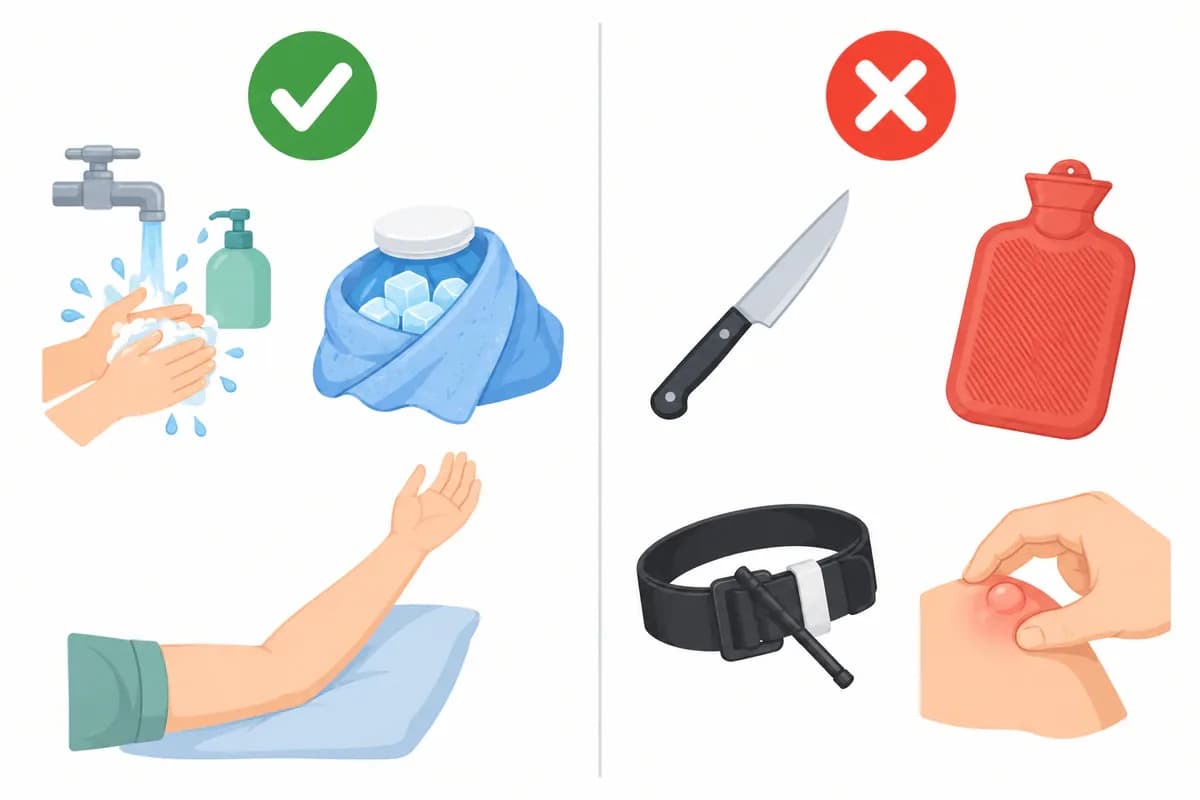
- Works: cold compresses, gentle washing, raising the limb and resting the area.
- May soothe: aloe vera gel or an oatmeal paste for itch, but neither treats venom.
- Does not work: "drawing out" venom with baking soda, potato slices, charcoal or a suction tool. Venom spreads into tissue within seconds and cannot be pulled back out.
- Myth: peeing on a spider bite. Urine does not neutralize venom and can irritate or dirty the wound.
- Harmful: cutting the bite, sucking it, using a tourniquet or applying heat.
Spider Bite Treatment for Children and Older Adults
Children and older adults need the same first aid, but a lower threshold for seeing a doctor. Small children receive a larger dose of venom for their body size, and older adults may have heart or blood pressure problems that venom can strain.
- Wash and cool the bite, and keep the child calm and still.
- Use calamine for itch, and ask a pharmacist before giving any antihistamine or pain reliever to a child under two.
- Seek care the same day for any bite that is spreading, blistering or very painful, and at once for cramps, sweating, vomiting or unusual sleepiness.
Treatment by Type of Spider
Most bites need only home care, but the spider involved changes how quickly you should get help.
- House, garden, wolf and jumping spiders: wash, cool and use pain relief or antihistamines as needed. These bites usually settle in a few days.
- Black widow and other widows: get medical care for spreading pain, cramps or sweating.
- Brown recluse: see a doctor the same day if the bite darkens, blisters or spreads.
- Funnel web spiders (Australia): call emergency services at once for any suspected bite.
- Unknown spider: treat it as a common bite, but watch closely for the warning signs below.
See our guides to the black widow bite and the brown recluse bite.
Caring for the Bite While It Heals
Good daily care helps the skin heal and makes problems easy to spot early.
- Keep it clean: wash gently once or twice a day and pat dry.
- Cover if needed: use a loose, clean bandage on a scratched or blistered bite.
- Do not scratch: scratching can make a bite infected.
- Track it: take a photo each day in the same light to see whether redness is growing or shrinking.
- Know when to call: get help if a large area around the bite turns red and swollen, it becomes more painful, or you get a high temperature with swollen glands.
Should You Pop a Spider Bite?
No. Do not pop, squeeze or drain a blister or bump from a spider bite. Breaking the skin lets bacteria in, which can turn a minor bite into an infection. A bump that fills with yellow pus, swells and feels hot is more likely a skin infection than a spider bite and needs a doctor, who may drain it safely and give antibiotics. If a blister breaks on its own, wash it gently, apply a thin layer of antibiotic ointment and cover it with a clean, loose bandage.
How Long Does a Spider Bite Take to Heal?
Most bites from common spiders heal within a few days to two weeks without any treatment beyond basic care. Pain and redness usually fade within one to three days, followed by a small scab or light peeling.
- Mild bites: a few days to about a week.
- Bites with a blister: one to two weeks.
- Widow bites: severe symptoms ease in two to three days, with mild aches for up to a few weeks.
- Recluse bites with an ulcer: several weeks to about three months.
A bite that is getting larger, darker or more painful after two or three days is not healing normally and should be seen by a doctor.
When Home Care Is Not Enough
See a doctor the same day if the bite might be from a widow or recluse spider, or if it shows signs of spreading or infection. Go to emergency care for symptoms that affect the whole body.
- Same day: a center that turns blue, purple or black, a growing blister, redness spreading past your pen mark or pain that keeps increasing.
- Same day: pus, warmth, red streaks or fever.
- Emergency: muscle cramps, severe belly or chest pain, heavy sweating, trouble breathing, swelling of the face or throat, or fainting.
- Emergency: any suspected dangerous bite in a young child, an older adult or someone who is pregnant.
Doctors may give stronger pain relief, wound care, a tetanus shot, antibiotics for infection or, for severe widow bites, antivenom. This information is for general education and is not medical advice.
Not sure a spider bit you? Upload a clear photo to the free ScanaBug Bug Bite Identifier for an instant answer with the likely cause and a danger level.
Frequently Asked Questions
Sources and References
- CDC National Institute for Occupational Safety and Health. Venomous Spiders at Work.
- MedlinePlus, US National Library of Medicine. Black Widow Spider.
- MedlinePlus, US National Library of Medicine. Brown Recluse Spider.
- American Academy of Dermatology. Tips to Prevent and Treat Bug Bites.
- University of California Riverside, Department of Entomology. What Is Not a Recluse Bite.
- NHS 111 Wales. Insect Bites and Stings. Health A to Z.