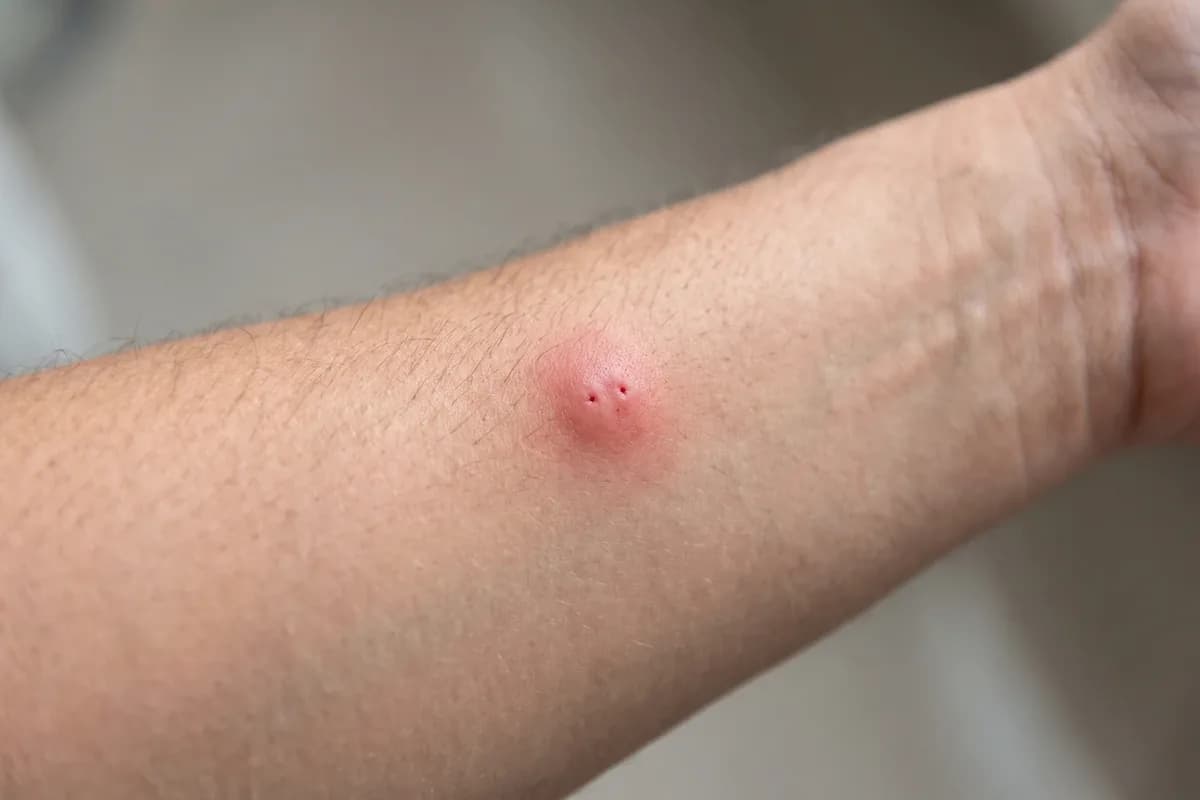
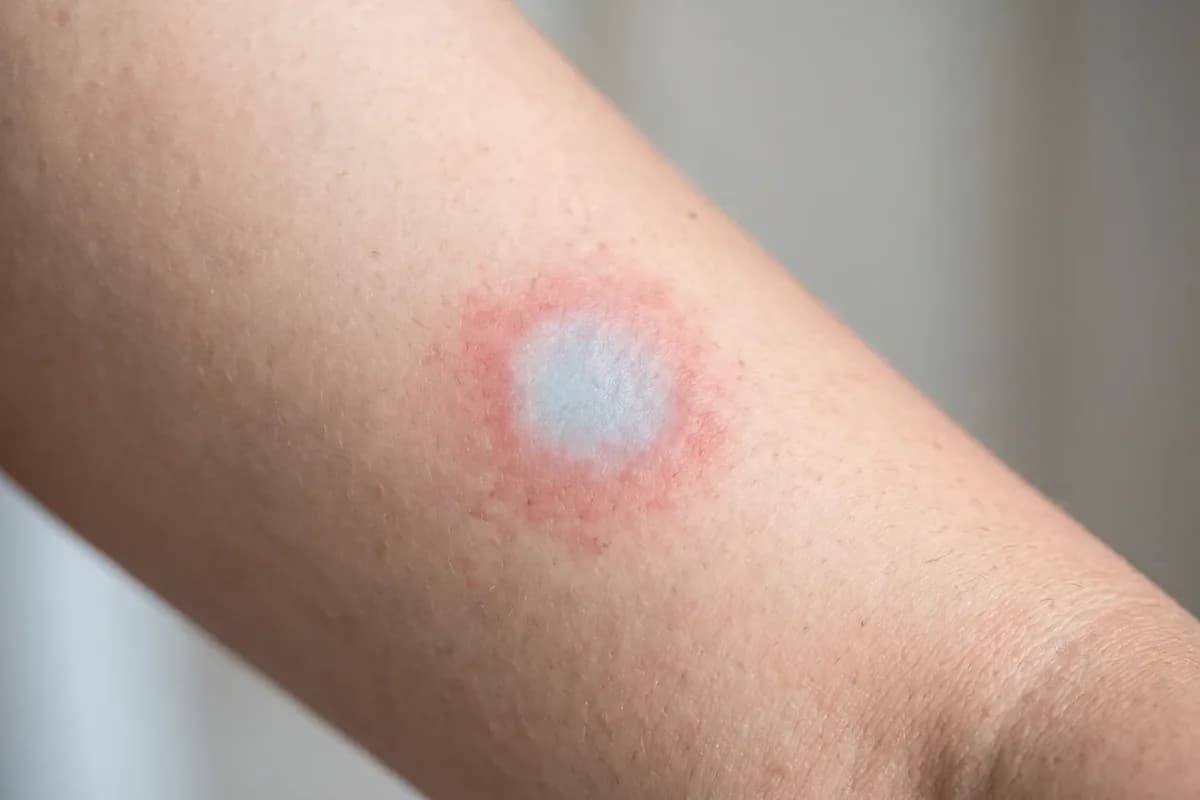
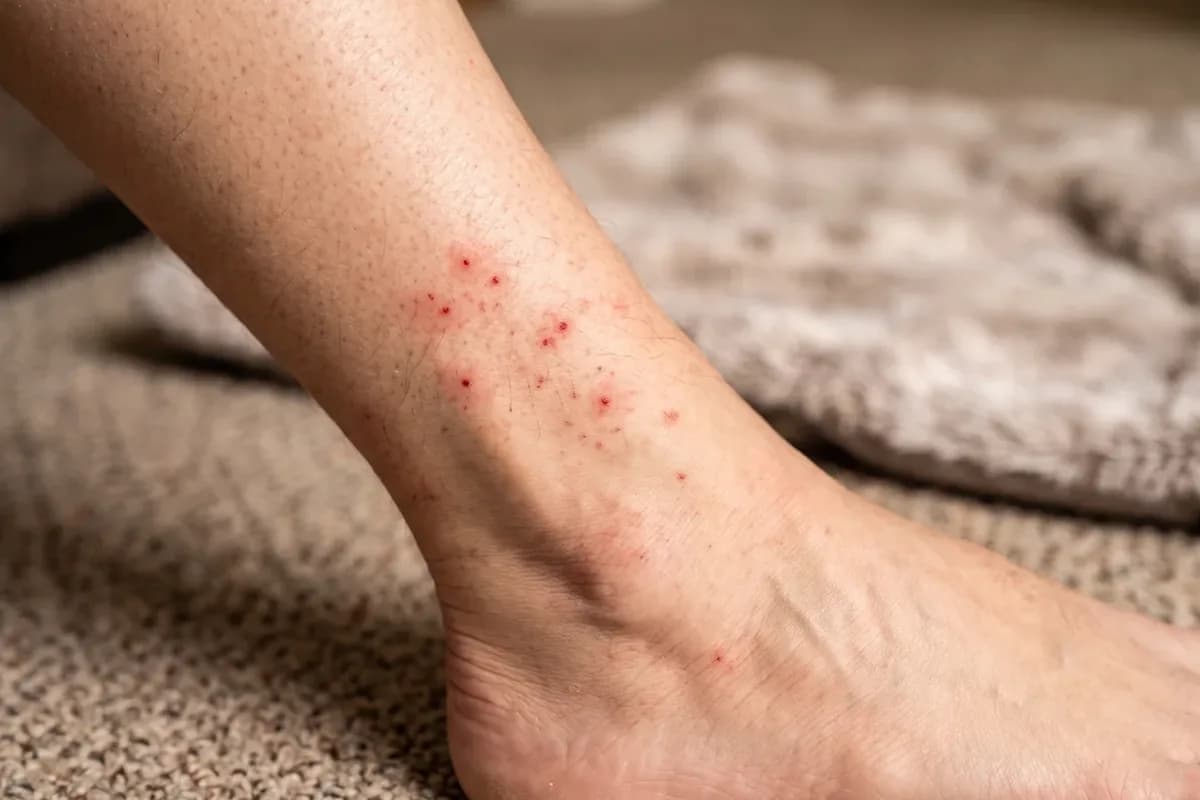
Mosquito Bite Relief: How to Stop the Itch Fast

The fastest mosquito bite relief comes from washing the bite, holding a cold pack on it for about 10 minutes and then applying an anti itch cream such as 1% hydrocortisone or calamine. An oral antihistamine helps when you have many bites or the itch keeps you awake. Most bites stop itching within a day or two and fade in three to four days. This guide covers quick fixes, the best creams and medicines, which home remedies work, the hot spoon trick and how to help bites heal faster.
Quick Mosquito Bite Relief in Minutes
To stop a mosquito bite itching in minutes, clean it, cool it and keep your nails off it.
- Wash the bite and the skin around it with soap and water.
- Apply a cold pack or ice wrapped in a cloth for about 10 minutes. Repeat as needed.
- Try a baking soda paste if you like, left on for 10 minutes then rinsed. Skip it if it stings.
- Use an anti itch cream or antihistamine cream, following the label.
- Do not scratch. Scratching releases more histamine, makes the itch worse and can break the skin.
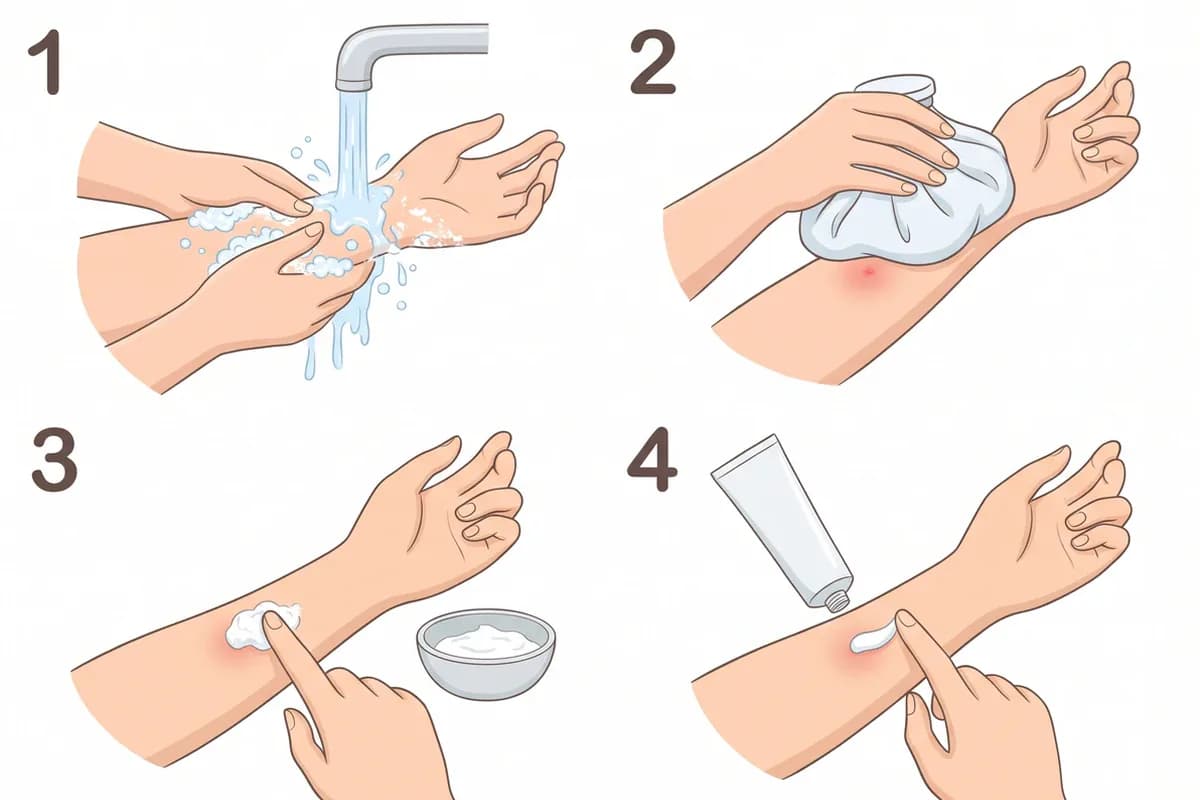
Cold works quickly because it numbs the nerve endings and calms swelling. A cold, wet cloth or a chilled spoon works if you have no ice pack. Never put ice straight on the skin, since it can cause cold burns.
Why Bites Itch, and Why These Steps Work
The itch is your immune system reacting to mosquito saliva, so every remedy works by calming that reaction or distracting the nerves.
- The cause: the itchy bump forms because your body reacts to saliva the mosquito injects while feeding.
- Histamine: your skin releases histamine, which causes the redness, swelling and itch. Antihistamines block it.
- Cold: numbs nerve endings and shrinks swelling for a short time.
- Steroid cream: hydrocortisone calms the local immune reaction over a few hours.
- Scratching: feels good for seconds, then releases more histamine and makes the itch return stronger.
Creams: Hydrocortisone and Calamine
The two most useful creams for mosquito bites are 1% hydrocortisone, which calms swelling and itch, and calamine lotion, which cools and soothes the skin. Both are sold without a prescription in most countries.
- 1% hydrocortisone cream: a mild steroid that reduces redness, swelling and itch. Apply a thin layer up to the number of times the label allows.
- Calamine lotion: a pink lotion that dries on the skin and gives a cooling feeling. Good for children and for many bites.
- Anti itch gels with pramoxine or menthol: numb or cool the skin for short term relief.
- Antihistamine creams: can help, but some people get skin irritation, so do not use them over large areas.
Do not use creams on broken or infected skin, and check the label before using any cream on babies and young children.
Antihistamines for Mosquito Bites
An oral antihistamine is the best option when you have many itchy bites, large swollen bites or itching that keeps you awake. Antihistamines block histamine, the chemical your body releases in response to mosquito saliva.
- Non drowsy types, such as cetirizine, loratadine or fexofenadine, are good for daytime use.
- Drowsy types, such as diphenhydramine, can help at night when itching disturbs sleep, but cause sleepiness.
- People who react strongly sometimes take a non drowsy antihistamine before going outdoors, after checking with a pharmacist.
Always follow the label for the dose, especially for children, and ask a pharmacist if you take other medicines or have a health condition.
Home Remedies: What Works and What Does Not
Simple cooling remedies work best at home, while many popular tricks have little or no evidence behind them.
| Remedy | Does it help? | Notes |
|---|---|---|
| Cold pack or ice | Yes | Fast and safe; 10 minutes at a time, wrapped in cloth |
| Baking soda paste | Mixed advice | Suggested by the CDC, but NHS 111 Wales advises against it |
| Oatmeal paste or bath | Some relief | Soothing for many bites or for children |
| Aloe vera gel | Mild cooling | Little research; use plain gel |
| Honey | Unproven | May soothe, but sticky; not for babies under one |
| Bar soap rubbed on the bite | Unproven | Washing helps; rubbing soap in has no proven effect |
| Essential oils | Unproven | Can irritate skin; never use undiluted |
| Toothpaste, vinegar, alcohol | Not recommended | Can sting and dry or irritate the skin |
Which Remedies Are Safe for Babies?
For babies, stick to gentle options: wash the bite, use a cool damp cloth and keep the baby's nails short. Do not give honey to a child under one year old, and ask a doctor or pharmacist before using any cream or medicine on a baby. Long, light clothing and netting over strollers prevent most bites.
Hot Spoon and Heated Devices: Does Heat Work?
Brief, controlled heat may reduce itching for some people, but a hot spoon is not a safe way to do it. Heat seems to overload the nerve endings and may break down some of the proteins in mosquito saliva. A 2011 study tested a device that warmed the skin to about 51°C (124°F) for 3 to 6 seconds, and people reported much less itching within minutes, though the study had no comparison group.
- Hot spoon: the temperature cannot be controlled, so it is easy to burn the skin. Do not use it on children.
- Heated bite devices: reach a set temperature for a few seconds. They may help some adults, but follow the instructions exactly and avoid them on broken skin.
A cold pack gives similar relief with no risk of a burn, so it is the safer first choice.
How to Make Mosquito Bites Go Away Faster
Mosquito bites cannot disappear overnight, but you can help them settle in a day or two and heal within about three to four days. The key is to calm the reaction early and avoid scratching.
- Use a cold pack and an anti itch cream as soon as you notice the bite.
- Take a non drowsy antihistamine if you have many bites.
- Keep nails short, and cover bites with a small bandage at night if you scratch in your sleep.
- Keep the skin clean and moisturized so it heals well.
- Do not pop a bite or blister, since broken skin can get infected and leave a mark.
Dark marks after bites, common on brown and black skin, fade over weeks to months. For how bites normally look and change, see our guide to mosquito bites.
Relief for Kids and Skeeter Syndrome
Children often get bigger, puffier bites, and some develop Skeeter syndrome, a large local allergic reaction with swelling, warmth and redness that can spread several centimeters. It looks alarming but usually settles within a few days. Our guide to mosquito bite allergy explains Skeeter syndrome and how to tell it from infection.
- Use cold packs, calamine lotion and an oatmeal bath for children.
- Ask a pharmacist about an antihistamine dose that suits the child's age and weight.
- Keep nails short and dress children in long, light clothing outdoors.
See a doctor if swelling is very large, affects the eye area or comes with fever.
How to Prevent the Next Round of Bites
The best relief is fewer bites. Use an EPA registered insect repellent plus cover up. Look for one of these active ingredients on the label:
- DEET, picaridin (also called icaridin) or IR3535.
- Oil of lemon eucalyptus or para menthane diol (PMD), which should not be used on children under 3 years old.

Wear loose, long sleeved shirts and long pants, keep window and door screens in good repair and empty standing water around the home once a week. Apply sunscreen first and repellent second, and always follow the label.
When to See a Doctor
Most mosquito bites need no medical care, but see a doctor if a bite looks infected or you feel unwell after being bitten.
- Redness, warmth, pus or red streaks spreading from the bite.
- Fever, headache, body aches, rash or joint pain in the two weeks after bites, especially after travel.
- Swelling of the face, lips or throat, hives all over the body or trouble breathing. Call emergency services.
- A bite that has not improved after a week.
This information is for general education and is not medical advice.
Not sure it is a mosquito bite? Upload a clear photo to the free ScanaBug Bug Bite Identifier for an instant answer with the likely cause and a danger level.
Frequently Asked Questions
Sources and References
- CDC. About Mosquito Bites.
- American Academy of Dermatology. Tips to Prevent and Treat Bug Bites.
- Müller C, Großjohann B, Fischer L. The Use of Concentrated Heat After Insect Bites/Stings. Clinical, Cosmetic and Investigational Dermatology, 2011.
- CDC. Preventing Mosquito Bites.
- NHS 111 Wales. Insect Bites and Stings. Health A to Z.