Mosquito Bite Allergy: Skeeter Syndrome Guide
A mosquito bite allergy is a stronger than normal immune reaction to proteins in mosquito saliva, causing bites that swell to several centimeters, turn hot and hard, blister or look bruised. The most common form is a large local reaction, sometimes called Skeeter syndrome, which is uncomfortable and alarming but rarely dangerous. Severe whole body allergy to mosquitoes is rare. This guide explains why some bites get so big, how to tell an allergy from a normal bite or an infection, how to treat big reactions and when to see a doctor.
Why Do Some Mosquito Bites Get So Big?
Some bites get big because the body overreacts to mosquito saliva, releasing more histamine and other chemicals that cause swelling, redness and itch. The size of the reaction depends on the person, not on the size of the mosquito.
- Children often have bigger reactions because their immune systems have met fewer mosquitoes.
- New mosquito types: people bitten by a species they have not met before, such as when traveling, react more strongly.
- Immune conditions: people with some immune system disorders may have stronger reactions.
- Scratching: rubbing and scratching spread the reaction and make swelling worse.
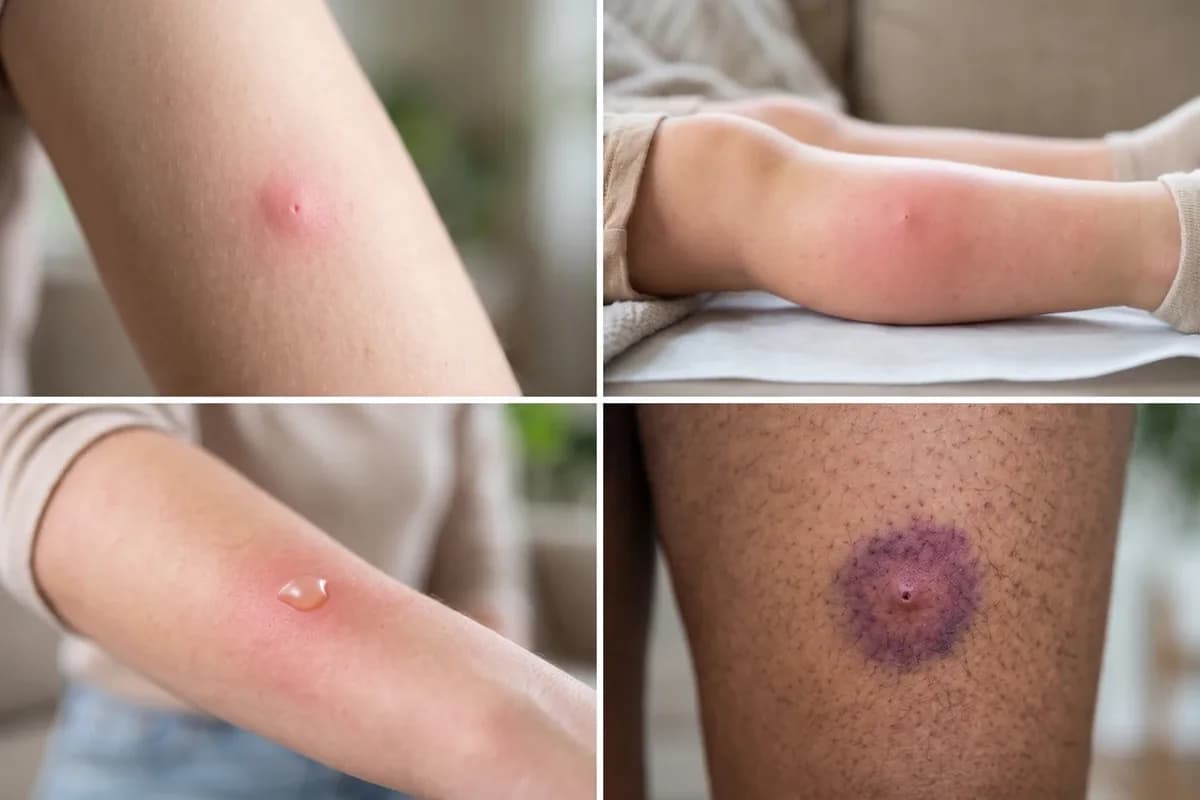
Many people become less sensitive over years of exposure, which is why big reactions are most common in young children and tend to fade as they grow.
What Is Skeeter Syndrome?
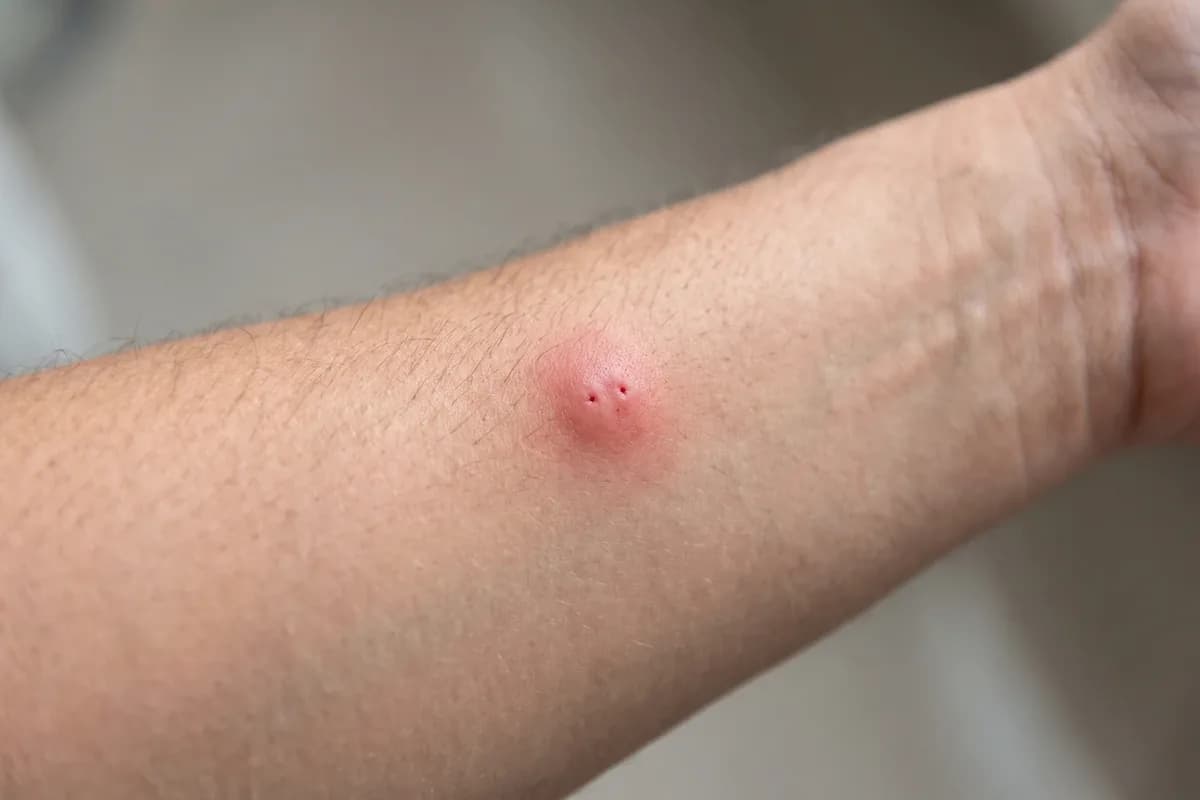
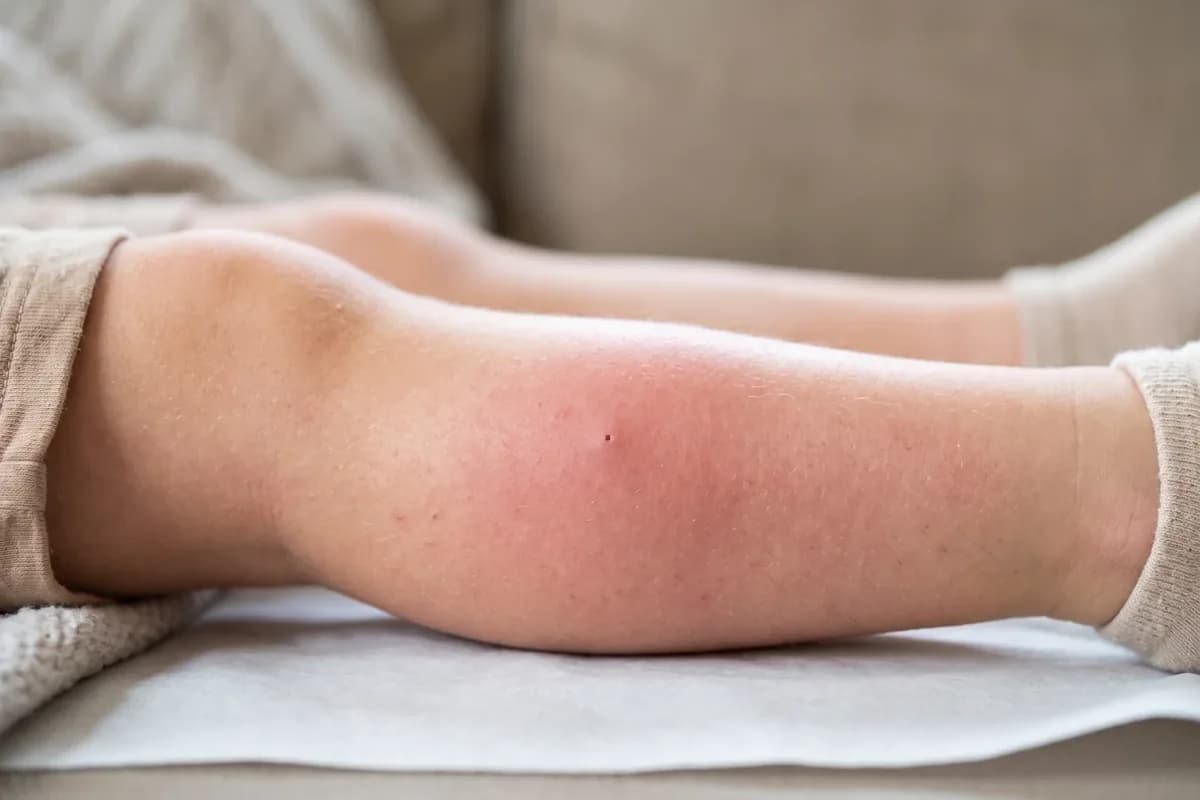
Skeeter syndrome is a large local allergic reaction to mosquito bites, with swelling, warmth, redness and itching or pain that can look like an infection.
- Size: swelling often spreads several centimeters around the bite and can cover much of a hand, cheek or lower leg.
- Timing: it builds within hours of the bite and can last several days.
- Feel: hot, firm and tender, sometimes with blisters.
- Other signs: a few people get a low fever or feel unwell.
A case report described a 3 year old with a 5 by 6 cm reaction with blisters and fever that settled with antihistamines, and noted that early recognition avoids unneeded tests and antibiotics. Skeeter syndrome is a local allergy, not a sign of a severe whole body allergy.
Blisters, Bruises and Red Rings on Mosquito Bites
Blisters, bruise like marks and red rings are all possible with strong reactions and are usually not dangerous on their own.
Blister on a Mosquito Bite
A blister forms when fluid collects under the top layer of skin during a strong reaction. It is more common in children. Leave it intact, keep it clean and cover it loosely if it might break. A blister that fills with yellow pus or is surrounded by spreading redness may be infected.
Why Does My Mosquito Bite Look Like a Bruise?
A purple or dark red mark can appear when a strong reaction or scratching causes tiny bleeding under the skin. This often fades over a week or two. Bruising with fever, joint pain or a rash after travel should be checked.
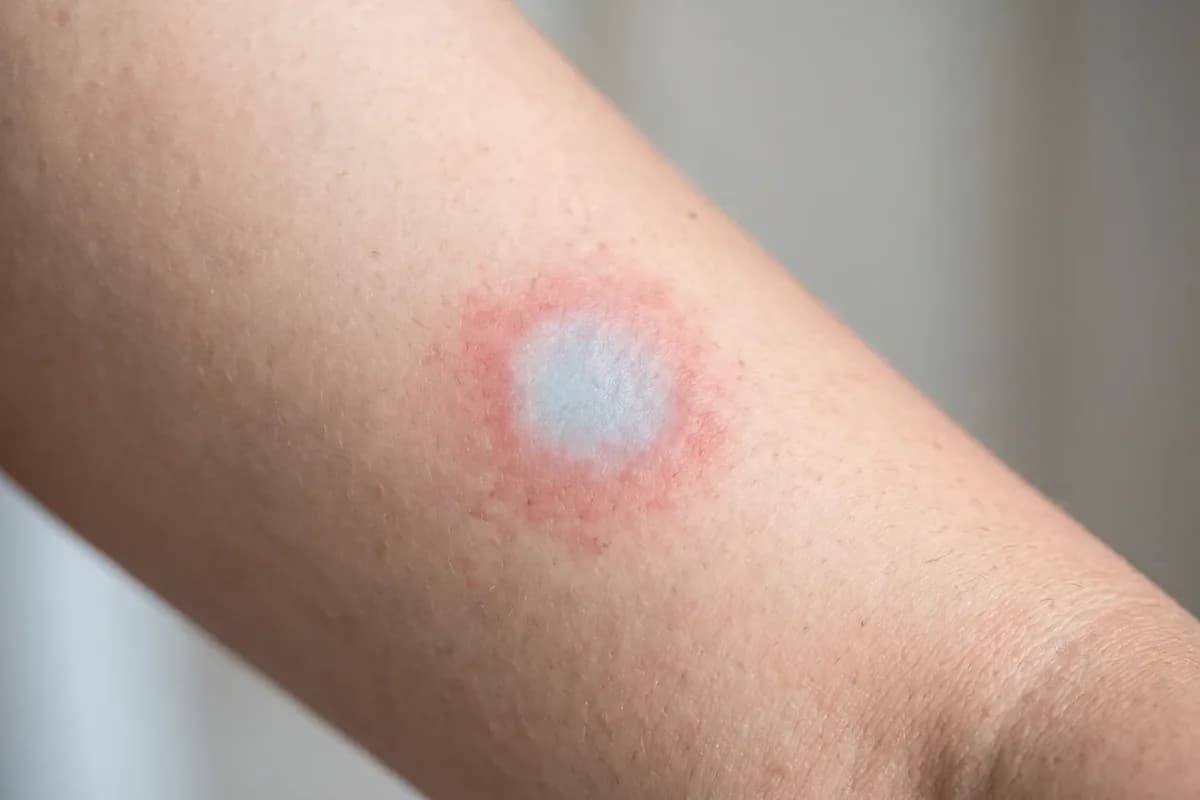
Red Ring Around a Mosquito Bite
A pink or red ring around a mosquito bite is usually part of the local reaction and fades with the bite. A ring that keeps growing for days, especially after time in grass or woods, may be from a tick rather than a mosquito and needs a doctor.
Allergic Reaction vs Normal Mosquito Bite
A normal bite is small and fades in three or four days, while an allergic reaction is larger, hotter and lasts longer. This table helps tell them apart.
| Sign | Normal bite | Large local allergy (Skeeter) | Severe allergy (rare) |
|---|---|---|---|
| Size | Pea to coin sized | Several centimeters, may spread | Hives far from the bite |
| Feel | Itchy, soft | Hot, firm, tender, sometimes blistered | Itch all over |
| Body | No other symptoms | Sometimes low fever | Face or throat swelling, trouble breathing, dizziness |
| How long | 3 to 4 days | Several days to a week | Minutes to hours, emergency |
For how a normal bite looks and changes, see our guide to mosquito bites. If you are unsure whether a bite came from a mosquito at all, a photo can be compared in our Bug Bite Identifier.
Is It an Allergy or an Infection?
Timing is the best clue: allergic swelling builds within hours of the bite and slowly improves, while an infection usually starts a day or more later and keeps getting worse.
- Allergy: swelling and itch appear within hours, peak in a day or two and then fade. Itch is the main feeling.
- Infection: pain, warmth and redness grow after one to three days, often with pus, red streaks or fever. Pain is the main feeling.
- Pen line test: draw around the edge of the redness. Allergic swelling usually stops growing within a day or two, while an infection tends to keep spreading past the line.
- Warmth and pus: a bite that becomes hotter, more painful and starts to ooze points to infection rather than allergy.
Infections usually follow scratching that breaks the skin. If you are not sure, see a doctor, since an infection needs antibiotics while an allergy does not.
How to Treat a Mosquito Bite Allergy at Home
Large reactions respond to the same steps as normal bites, used early and consistently.

- Cool it: apply a cold pack wrapped in a cloth, at least 20 minutes if the bite is swollen.
- Take an oral antihistamine: non drowsy types by day reduce swelling and itch; follow the label for children.
- Use 1% hydrocortisone cream on intact skin to calm redness.
- Raise the limb to help swelling go down.
- Do not scratch or pop blisters; keep nails short and cover the bite at night.
Our guides to mosquito bite relief and general bug bite relief cover more treatment options.
Mosquito Bite Rash: Many Bites or Something Else?
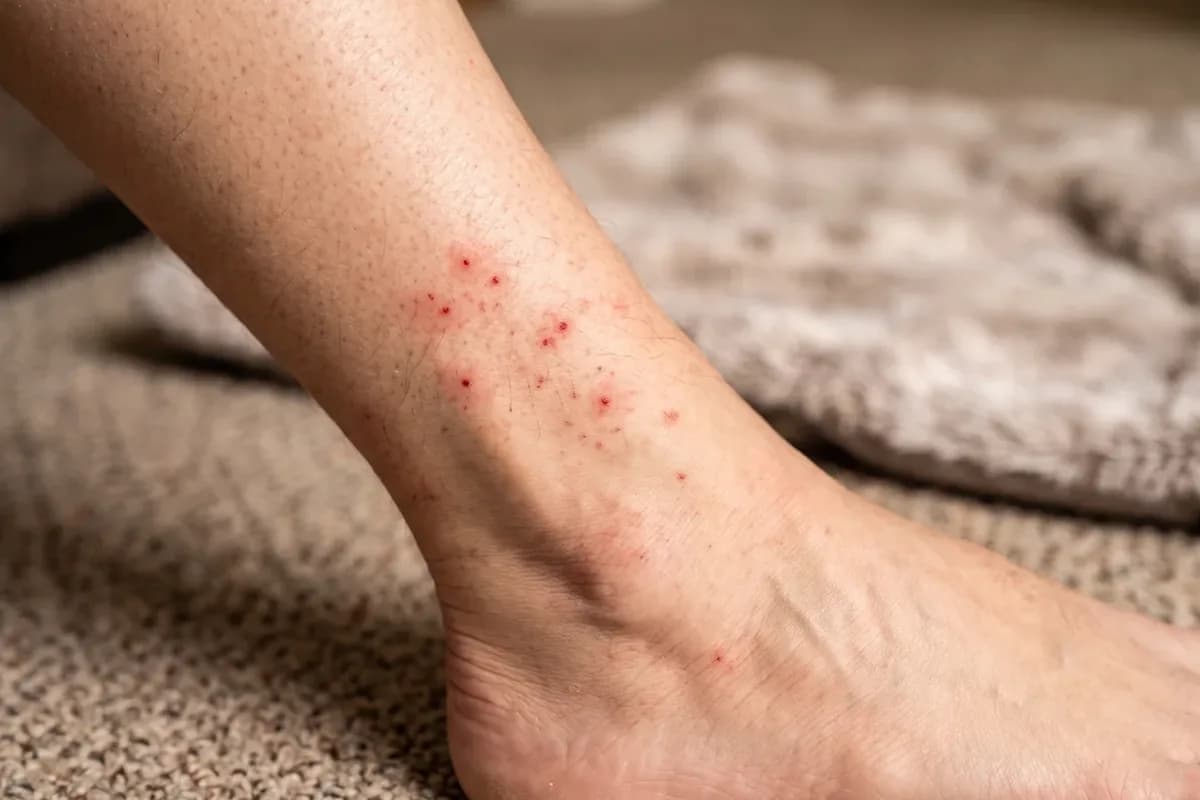
A rash of many red bumps after time outdoors is usually just a group of bites, but a rash far from the bites or one that comes with fever needs a closer look.
- Many bites close together: each bump has its own center and itches, often on bare arms, legs or the neck.
- Hives spreading over the body: raised welts that come and go far from any bite. With lip, tongue or throat swelling, it is an emergency.
- Rash with fever after travel: some mosquito borne infections, such as dengue and Zika, cause fever and rash days after bites.
- Rash that is not from bites at all: heat rash, contact dermatitis and other skin conditions can look like bites.
Big Reactions in Children
Young children are the group most likely to get large, swollen bites, often on the face, hands and legs. A bite near the eye can swell the eyelid shut overnight, which looks frightening but usually settles in a day or two with cold compresses.
- Use a cool, damp cloth and calamine lotion for comfort.
- Ask a pharmacist about an antihistamine suited to the child's age and weight.
- Dress children in long, light clothing and use netting over strollers at dusk.
- Keep nails short to stop scratching.
Most children grow out of large reactions as their immune systems get used to local mosquitoes.
Preventing Big Reactions
The easiest way to avoid a big reaction is to avoid the bite.
- Repellent: an EPA registered repellent with DEET, picaridin, IR3535, oil of lemon eucalyptus or para menthane diol, following the label (not the last two on children under 3).
- Clothing: loose, long sleeved shirts and long pants at dawn and dusk.
- At home: keep window and door screens repaired and empty standing water once a week.
- For known reactors: ask a doctor or pharmacist whether a non drowsy antihistamine before outdoor activities makes sense.
When to See a Doctor
Most big bites can be treated at home, but see a doctor in these cases:
- Swelling near the eye that affects vision or closes the eye.
- Fever, spreading redness, red streaks, pus or pain that keeps increasing after a day or two.
- Repeated very large reactions, so a doctor can check for allergy and suggest a plan.
- Fever, rash or joint pain in the two weeks after bites during travel.
Call emergency services for hives all over the body, swelling of the lips, tongue or throat, trouble breathing, dizziness or fainting. This information is for general education and is not medical advice.
Not sure what caused the swelling? Upload a clear photo to the free ScanaBug Bug Bite Identifier for an instant answer with the likely cause and a danger level.
Frequently Asked Questions
Sources and References
- American Academy of Allergy, Asthma and Immunology. What Is Skeeter Syndrome?
- Garcia Calderin D, et al. Skeeter Syndrome, a Case Report and Literature Review. World Allergy Organization Journal, 2012.
- CDC. About Mosquito Bites.
- CDC. Preventing Mosquito Bites.
- American Academy of Dermatology. Tips to Prevent and Treat Bug Bites.
- NHS 111 Wales. Insect Bites and Stings. Health A to Z.