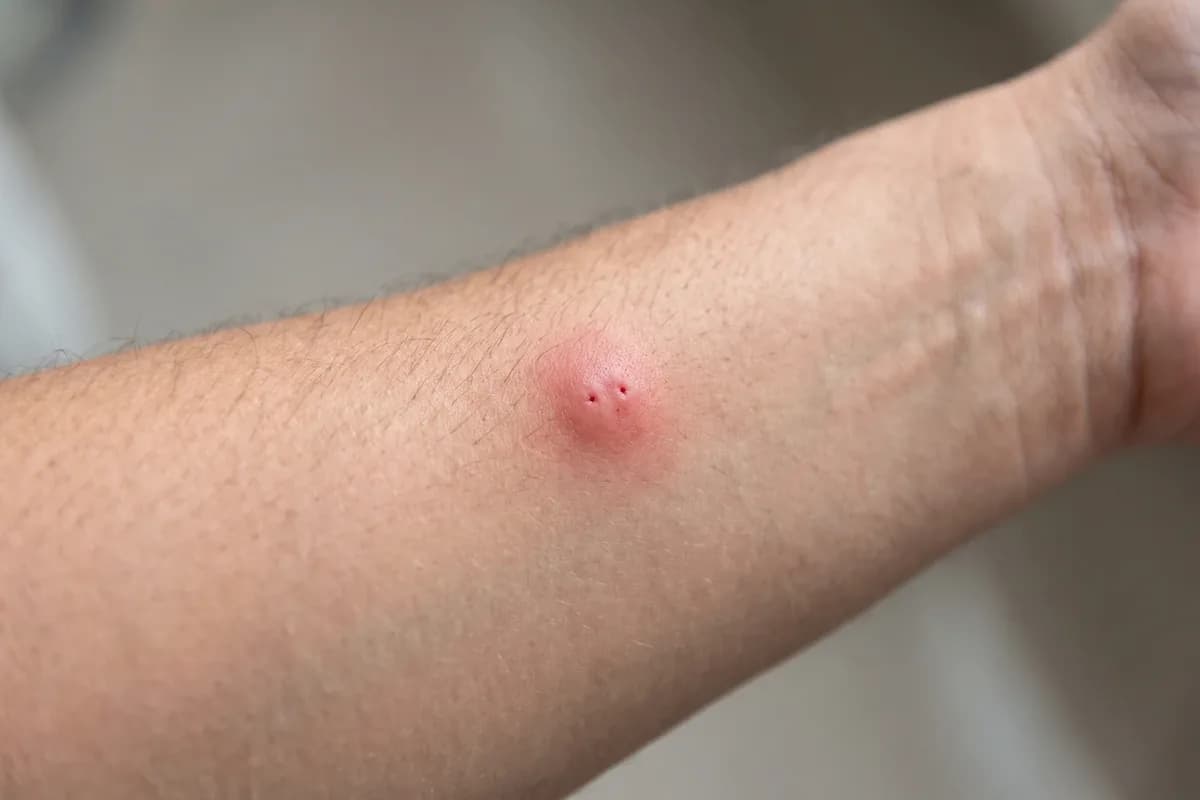
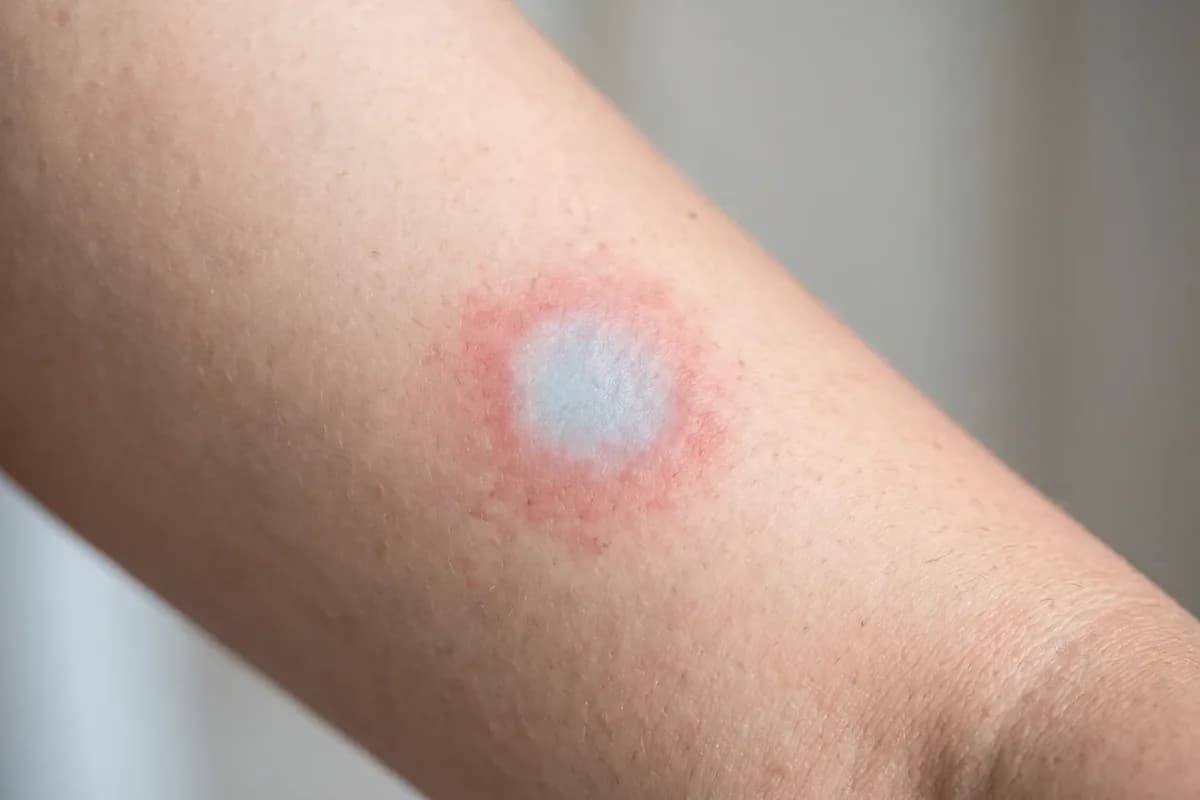
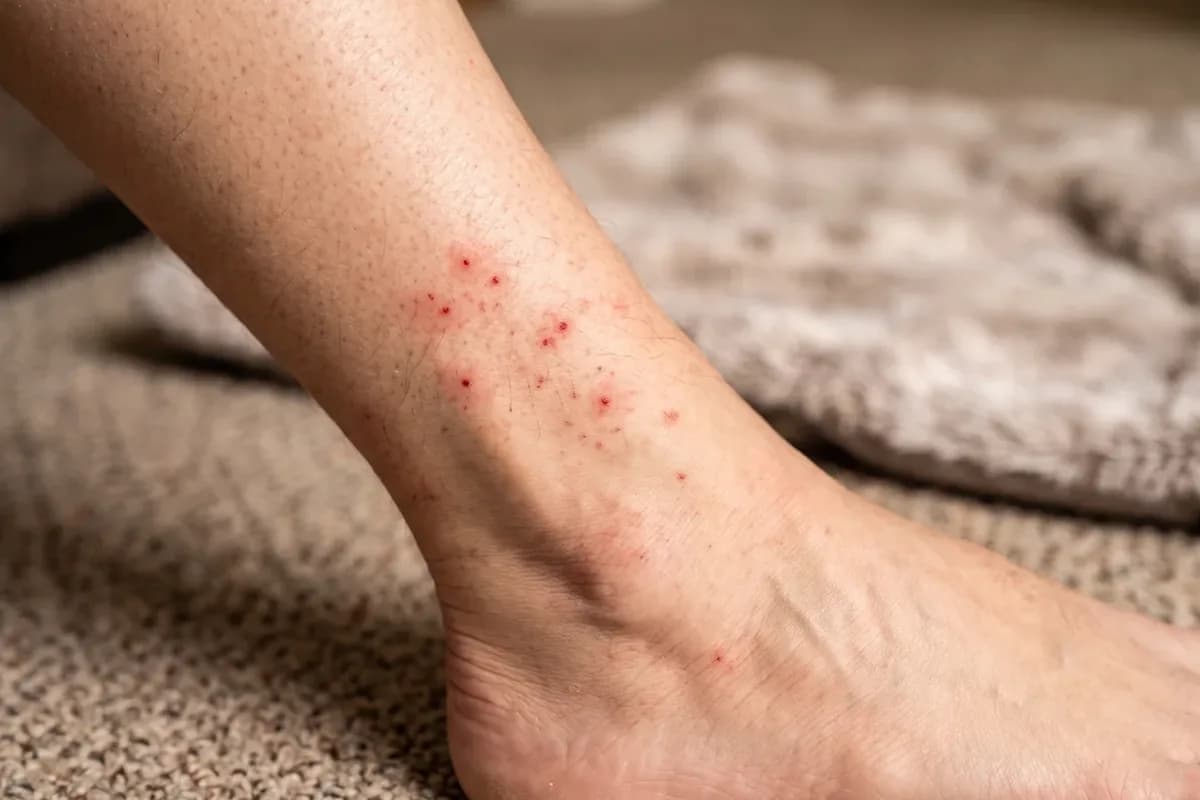
Bug Bite Relief: How to Treat Bug Bites Fast
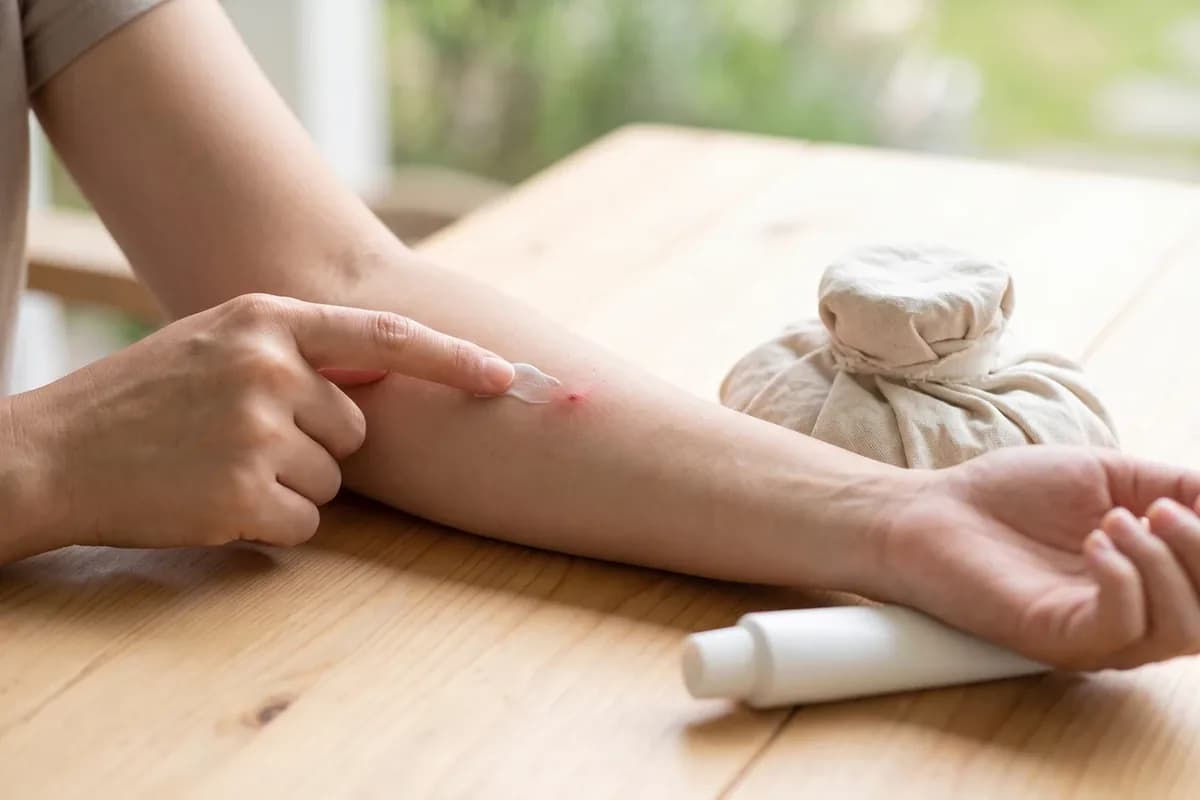
The fastest bug bite relief comes from three steps: wash the bite, cool it with a cold compress and then apply an anti itch cream such as 1% hydrocortisone or calamine. An oral antihistamine helps when you have many bites or itching that disturbs sleep. Most insect bites settle within a few days with this simple care. This guide covers first aid for any bite, the best creams and medicines, home remedies that help, treatment by bug type and the warning signs that need a doctor.
Bug Bite Relief: First Steps After Any Bite
After any insect bite, move away from the bug, clean the skin and cool the area to calm swelling and itch. These steps work for mosquito, flea, bed bug, spider and most other bites, and they take only a few minutes.
- Move away from the insect or nest, calmly and quickly.
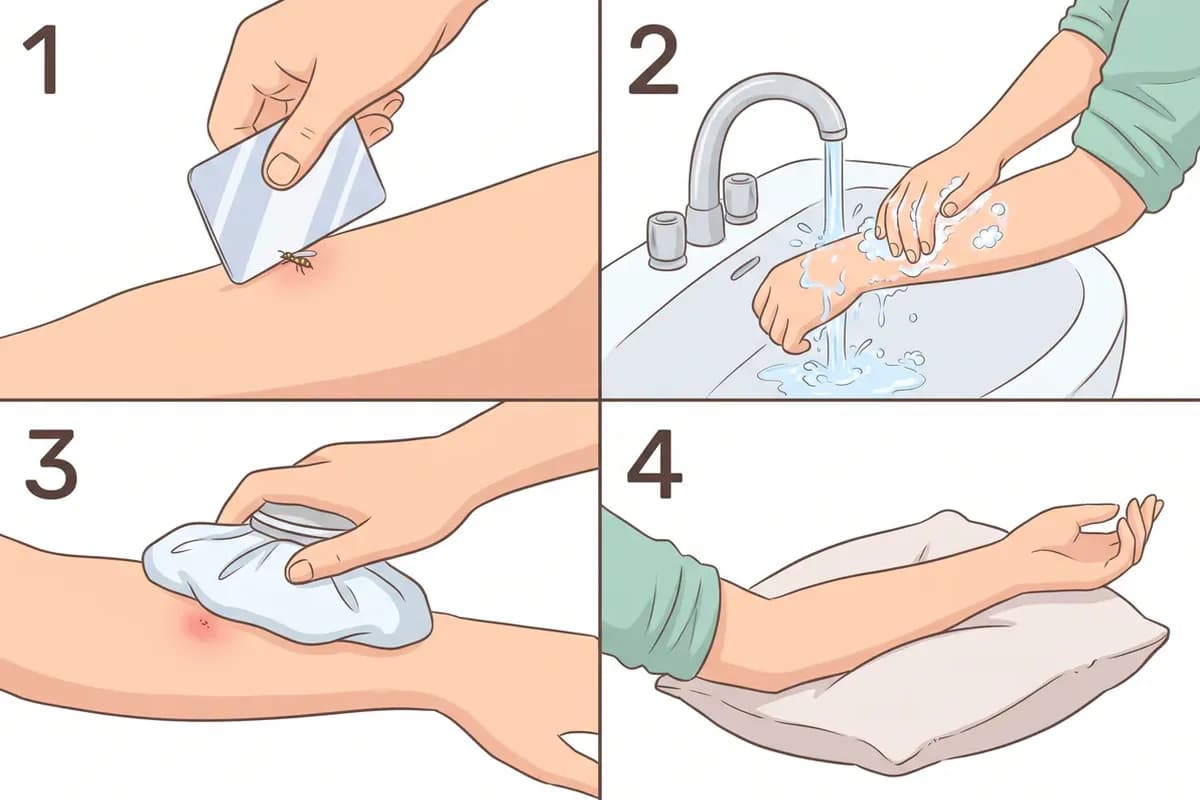
- Remove a stinger if you see one by scraping it out sideways with a card edge or fingernail, not tweezers, which can squeeze in more venom.
- Wash the bite with soap and water to remove saliva, venom and dirt.
- Apply a cold compress or ice wrapped in a cloth, at least 20 minutes if swollen. Never put ice straight on the skin.
- Raise the area if the bite is on an arm or leg and it is swelling.
- Do not scratch. Scratching makes itching worse and can break the skin, letting bacteria in.
For painful bites, an over the counter pain reliever such as acetaminophen or ibuprofen helps, following the label.
Best Anti Itch Creams for Bug Bites
The most useful creams for itchy bites are 1% hydrocortisone for redness and swelling and calamine lotion for cooling, soothing relief. Other gels numb or cool the skin for short periods.

| Cream or lotion | Best for | How it helps | Notes |
|---|---|---|---|
| 1% hydrocortisone | Itchy, red, swollen bites | Mild steroid that calms inflammation | Thin layer, as often as the label allows |
| Calamine lotion | Many bites, children | Cools and dries the skin | Shake well; dab on and let dry |
| Pramoxine gel or cream | Sharp itch | Numbs the skin briefly | Good for bites that keep you awake |
| Menthol or camphor gel | Mild itch | Cooling feeling | Avoid on young children and broken skin |
| Antihistamine cream | Small number of bites | Blocks histamine where applied | Can irritate skin; use on small areas only |
| Antiseptic cream | Scratched or broken bites | Helps keep the skin clean | Not an itch treatment |
Do not use creams on infected skin or near the eyes, and check the label before using any cream on babies and young children.
Antihistamines for Insect Bites
An oral antihistamine is the best choice when you have many bites, large swollen bites or itching that keeps you up at night. Antihistamines block histamine, the chemical your body releases in response to insect saliva or venom.
- Non drowsy tablets, such as cetirizine, loratadine or fexofenadine, work well during the day.
- Drowsy tablets, such as diphenhydramine, may help at night when itching disturbs sleep, but cause sleepiness.
- Pain relievers, such as acetaminophen or ibuprofen, help with painful bites and stings.
Insect Bite Swelling Treatment
For a swollen bite, combine a cold compress, raising the limb and an oral antihistamine. Hydrocortisone cream helps local swelling, and ibuprofen can ease swelling and pain together. Large swelling that spreads over a day or two is usually a strong local reaction rather than an infection, but warmth, pus, red streaks or fever point to infection and need a doctor. Follow the label for the dose, especially for children, and ask a pharmacist if you take other medicines, are pregnant or have a health condition.
Home Remedies and Essential Oils: What Helps?
Cooling home remedies give the most reliable relief, while many popular remedies, including essential oils, have little evidence behind them.
- Cold compress: the simplest and safest remedy for itch and swelling.
- Baking soda paste: 1 tablespoon mixed with a little water, left on for 10 minutes and rinsed off. Treat it as optional.
- Oatmeal paste or bath: soothing for many bites or for children.
- Aloe vera gel: cooling, though there is little research on bites.
- Honey: may soothe, but evidence is weak, and it is not safe for babies under one year.
- Essential oils: oils such as tea tree or lavender have no strong evidence and can irritate or cause allergies. Dilute well, patch test first and never use on young children.
Avoid rubbing alcohol, vinegar, toothpaste and hot water on bites, since they can sting and irritate the skin. For the evidence on heated devices, see our guide to mosquito bite relief.
What Not to Put on a Bug Bite
Some common habits make bites worse, so skip these even when the itch is strong.
- Scratching: it can make a bite infected.
- Harsh liquids: rubbing alcohol, vinegar and toothpaste sting and dry the skin without calming the reaction.
- Heat: hot spoons and hot water can burn skin that is already inflamed.
- Tweezers on stingers: squeezing a stinger can push in more venom.
- Antihistamine cream on large areas: some people react to it, so use tablets for many bites instead.
- Leftover prescription creams: strong steroid or antibiotic creams prescribed for something else should not be used without advice.
If a remedy makes the skin hotter, redder or more painful, wash it off and go back to a cold compress.
How to Get Rid of Bug Bites Fast
No treatment makes a bite disappear instantly, but calming the reaction early helps most bites stop itching within a day or two and fade within a week.
- Wash and cool the bite as soon as you notice it.
- Apply hydrocortisone or calamine right away, then as the label allows.
- Take a non drowsy antihistamine if you have several bites.
- Keep nails short and cover bites at night if you scratch in your sleep.
- Keep the skin moisturized so it heals smoothly.
Bug Bites on the Face and Near the Eyes
Bites on the face, lips and eyelids often swell more because the skin there is thin. Use a cool, damp cloth rather than creams near the eyes. See a doctor if an eye swells shut, vision changes or swelling spreads quickly.
Dark Spots After Bug Bites
Dark marks, common on brown and black skin, fade over weeks to months. Avoid picking, use sunscreen on healed bites and ask a dermatologist about treatment if marks last longer than a few months.
Treatment by Type of Bug
Most bites need the same basic care, but a few bugs need extra steps. This table shows the main difference for each.
| Bug | First step | Extra tips |
|---|---|---|
| Mosquito | Cold pack, then hydrocortisone or calamine | Calamine works well for many bites at once |
| Flea | Cold pack and anti itch cream | Treat pets and the home, or bites keep coming |
| Bed bug | Wash, then hydrocortisone | Check mattress seams to confirm bed bugs |
| Spider | Wash, cold pack, raise the limb | See our guide to spider bite treatment |
| Bee, wasp, hornet | Scrape out any stinger, then cold pack | Watch closely for allergic reaction signs |
| Fire ant | Wash and cool; do not pop pustules | Many stings at once can cause allergy |
| Chigger | Shower and wash clothes in hot water | Itch can last up to two weeks |
| Tick | Remove the tick with fine tweezers | Watch for a spreading rash or fever for 30 days |
If you are not sure which bug bit you, our Bug Bite Identifier compares a photo of your bite with common bites and shows a danger level. For a common indoor biter, see our guide to flea bites.
Bug Bite Relief for Babies and Toddlers
For babies and toddlers, use gentle care: wash the bite, apply a cool, damp cloth and keep their nails short. Calamine lotion and lukewarm oatmeal baths are usually safe and soothing for young children, but ask a doctor or pharmacist before using hydrocortisone, antihistamines or any medicine on a child under two. Do not use essential oils or honey on babies. A baby under one year old with any bite should be checked by a doctor.
When to See a Doctor
Most bites heal with home care, but see a doctor if a bite looks infected, spreads or comes with symptoms that affect the whole body.
- Same day: redness, warmth or swelling that keeps spreading, pus or red streaks, or fever.
- Same day: a rash, fever, body aches or joint pain in the weeks after a tick or mosquito bite, especially after travel.
- Emergency: swelling of the lips, tongue or throat, trouble breathing, hives across the body, dizziness or fainting (anaphylaxis).
- Emergency: spreading pain, cramps or sweating after a possible widow spider bite.
Use an epinephrine auto injector if one has been prescribed, then call emergency services. This information is for general education and is not medical advice.
Not sure what bit you? Upload a clear photo to the free ScanaBug Bug Bite Identifier for an instant answer with the likely cause and a danger level.
Frequently Asked Questions
Sources and References
- American Academy of Dermatology. Tips to Prevent and Treat Bug Bites.
- CDC. About Mosquito Bites.
- NHS. Insect Bites and Stings.
- American Academy of Allergy, Asthma and Immunology. Stinging Insect Allergy.
- MedlinePlus, US National Library of Medicine. Insect Bites and Stings.
- NHS 111 Wales. Insect Bites and Stings. Health A to Z.