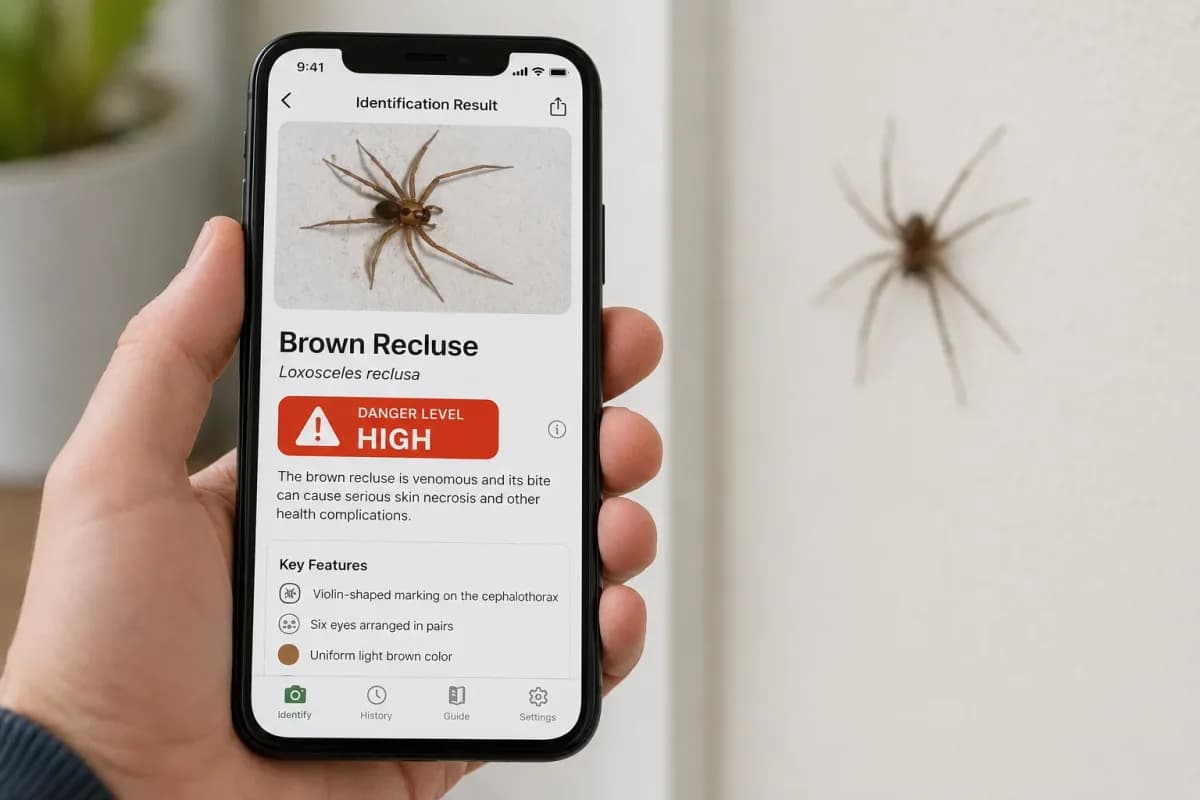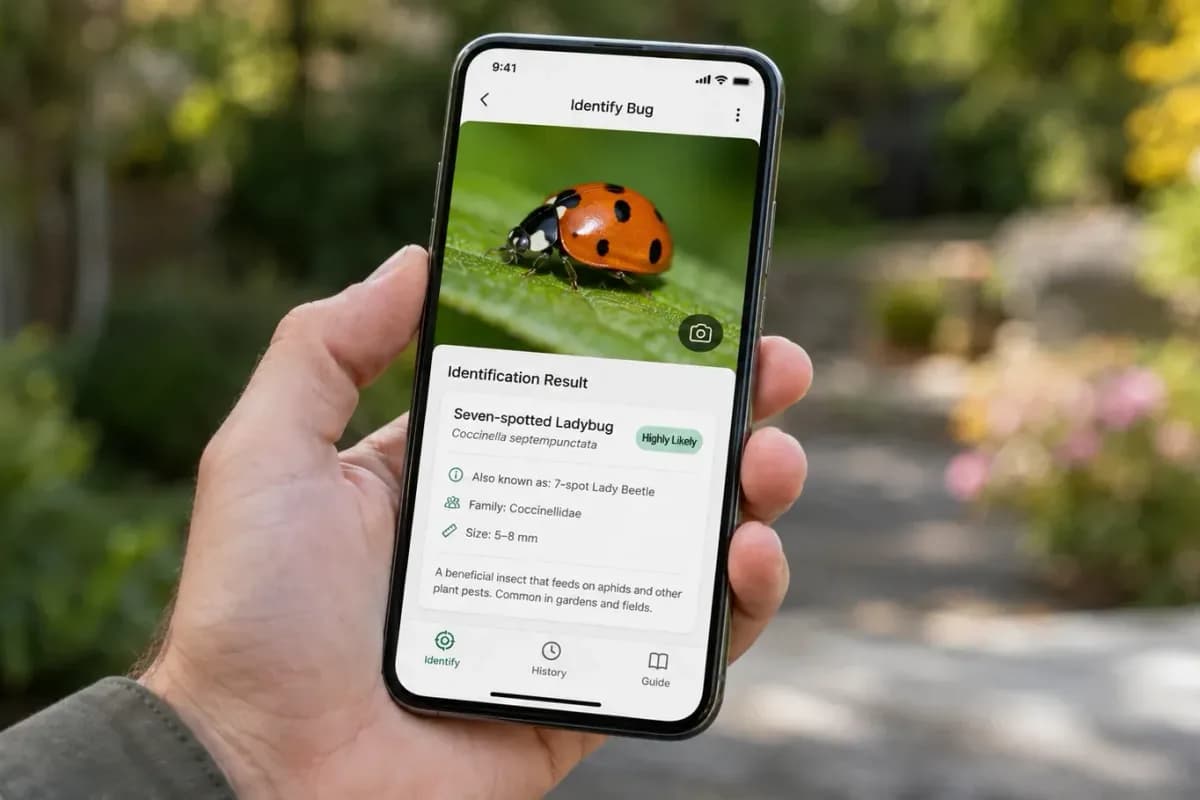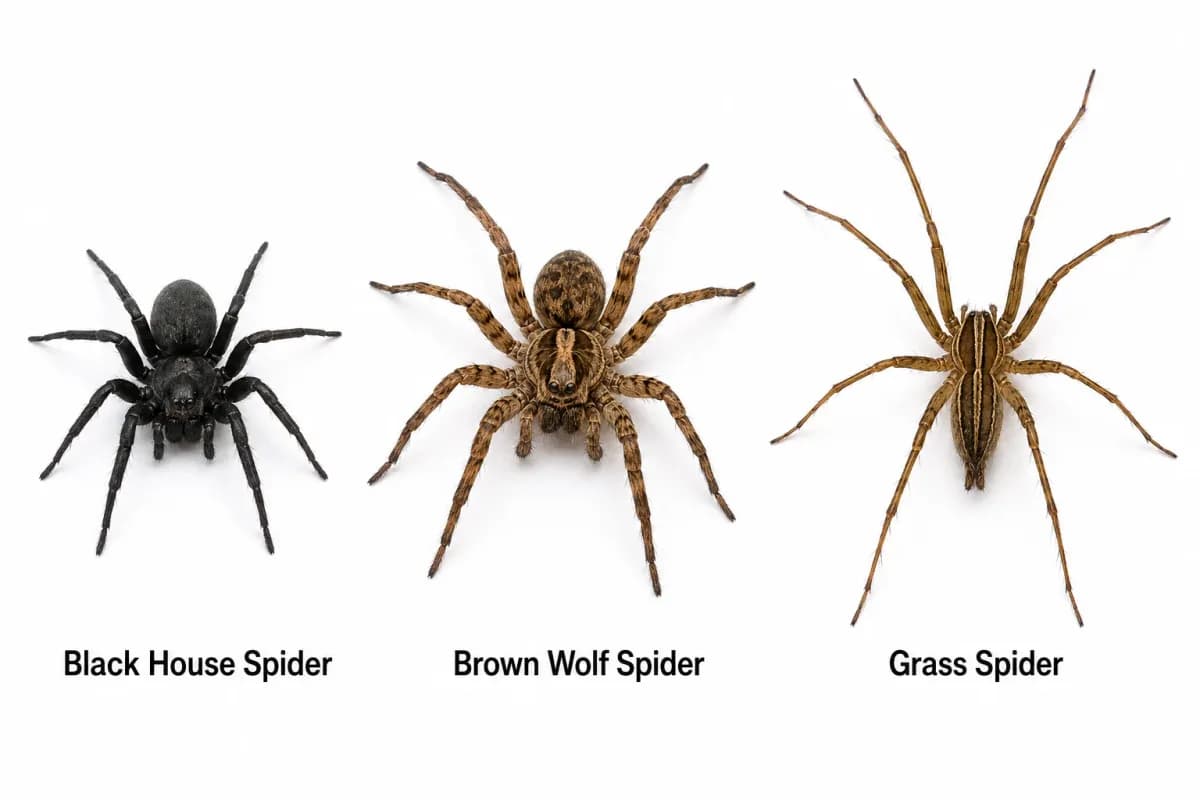
Apps and Tools for Identifying Insect Eggs and Larvae
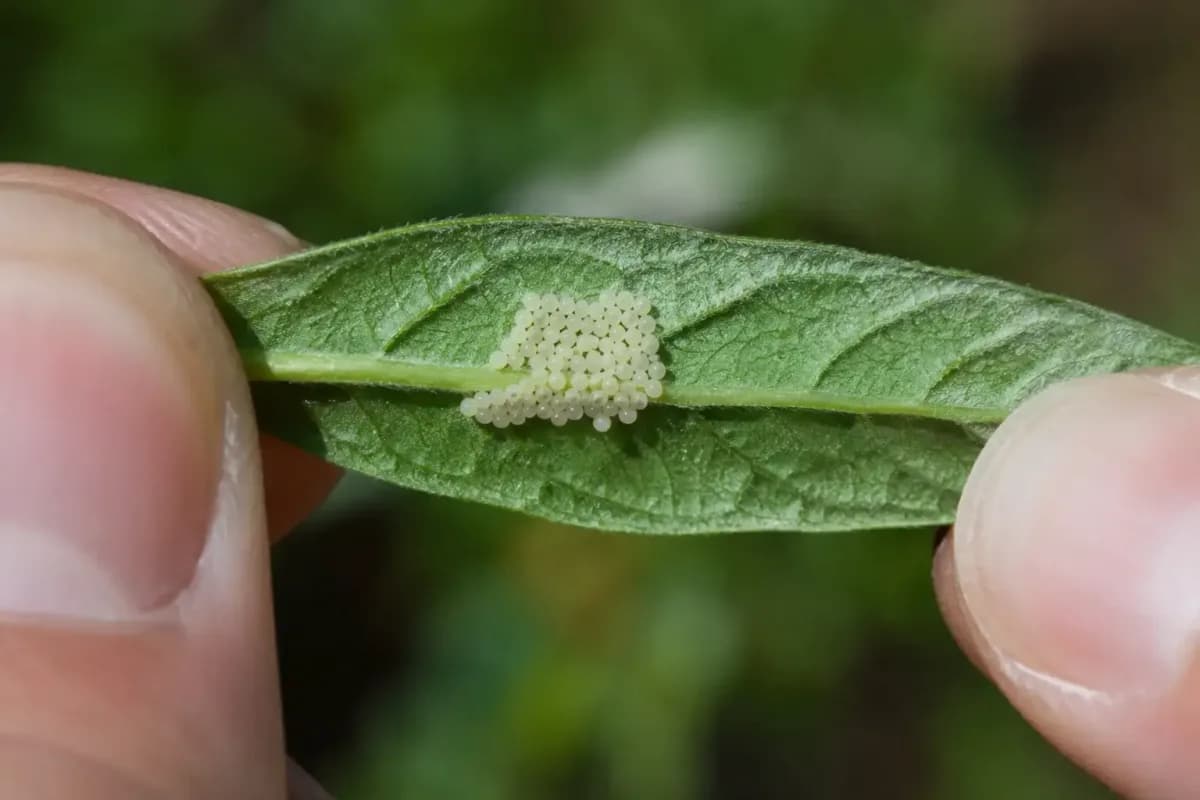
Most insect identification apps are trained mainly on adult insects, since that is what most people photograph and what most public image databases contain. Point the same app at a cluster of eggs on a leaf or an unfamiliar larva in the soil, and accuracy drops noticeably. This guide covers which tools actually handle eggs and larvae reasonably well, what to check before you even open an app, and where a browser based identifier fills the gap.
Why Eggs and Larvae Are Harder to Identify Than Adult Insects
A larva often looks nothing like the adult it will become, which removes the single biggest visual clue most identification tools rely on: overall body shape and wing pattern. A caterpillar, a grub, and a maggot can all be roughly the same size and color while belonging to completely different insect orders. Eggs offer even less to work with, since most are simple ovals or spheres with only color, size, and clustering pattern to go on. This is why location and context end up mattering more for eggs and larvae than for a clearly photographed adult insect.
What to Check Before Opening an App
A few field observations improve any identification result, app based or not, more than a better camera would. Note exactly where you found it: the underside of a leaf, buried in soil, inside a stem, or indoors near stored food all point toward a different shortlist of likely species. Note the clustering pattern, since eggs laid singly, in tight rows, or in a loose scattered group each suggest different parents. Note the color and whether any silk, foam, or waxy coating is present, since these coverings are themselves identifying features.
The Insect Identifier page on this site covers the four main larva types in detail, including how to tell a grub from a caterpillar from a maggot by leg count and body shape, which is worth checking before relying on an app's best guess.
Apps That Handle Eggs and Larvae Reasonably Well
iNaturalist's Seek app benefits from a large community of users who can confirm or correct an identification after the fact, which matters more for harder cases like larvae than it does for a common adult butterfly that the AI alone usually gets right immediately. Community correction does not happen instantly, so a first result may still be a rough genus level guess, but it tends to improve if you leave the observation posted rather than only relying on the app's split second camera suggestion.
General purpose insect apps built primarily for adult species identification tend to perform noticeably worse on larvae specifically, often returning a low confidence result or no match at all. This is not a flaw unique to any one app, it reflects how most training image sets are built, weighted heavily toward the life stage people photograph most often.
Where a Browser Based Tool Works Better for Eggs and Larvae
The AI Bug Identifier on this site is worth trying as a first check for an unfamiliar egg cluster or larva, since it returns a result in seconds with no download needed. For the most accurate result on a larva or egg specifically, include the surrounding context in your photo rather than just a tight close up: the leaf, the soil, or the surface it was found on gives the AI more to work with than the specimen alone. This same principle applies regardless of which tool you use, since context is what a difficult identification case actually needs.
Upload a photo of the egg or larva you found to the free AI Bug Identifier at the top of the homepage, including the surrounding leaf or soil in the shot for the most accurate result.