Bed Bugs vs Fleas vs Ticks and Bat Bugs
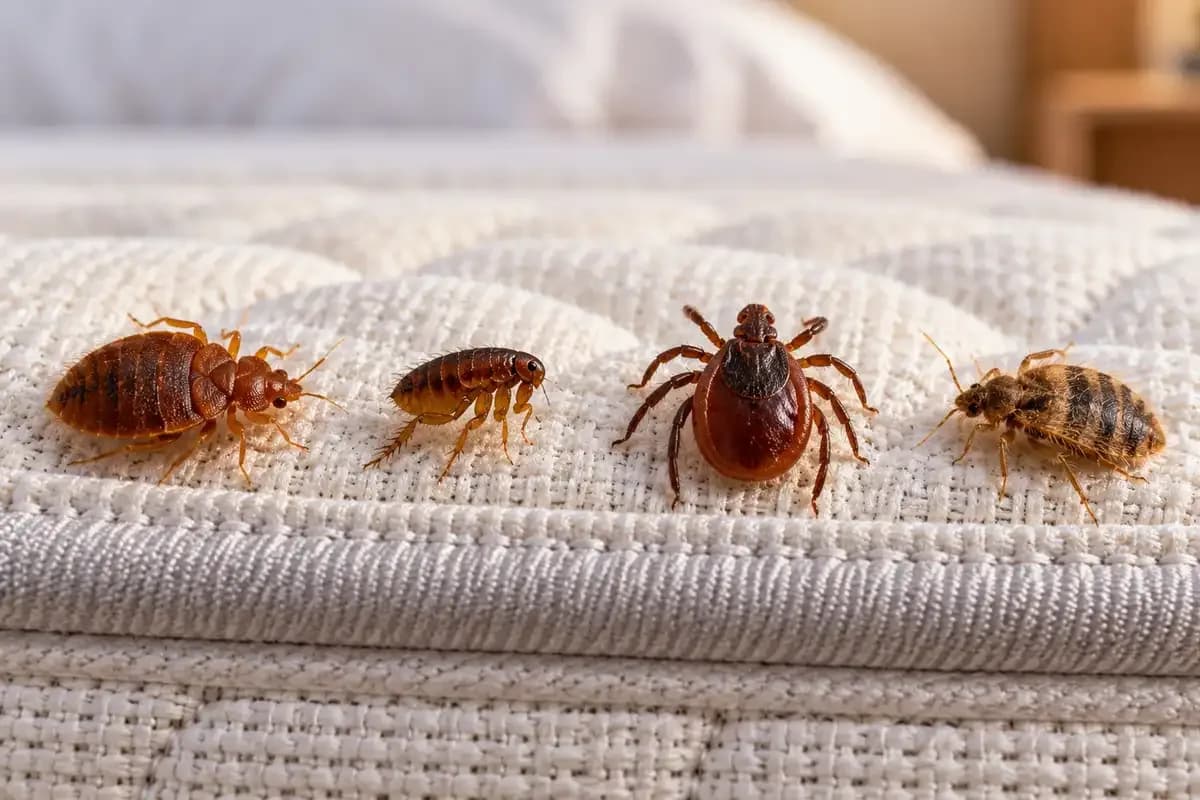
Bed bugs, fleas, ticks and bat bugs can all be small and brown, but their body shape, legs and movement are different. Bed bugs are flat six legged insects that crawl, fleas are narrow jumpers, ticks are eight legged arachnids and bat bugs are very close bed bug relatives linked mainly with bats. Use the Bed Bugs hub if the specimen matches a bed bug.
Bed Bug vs Flea
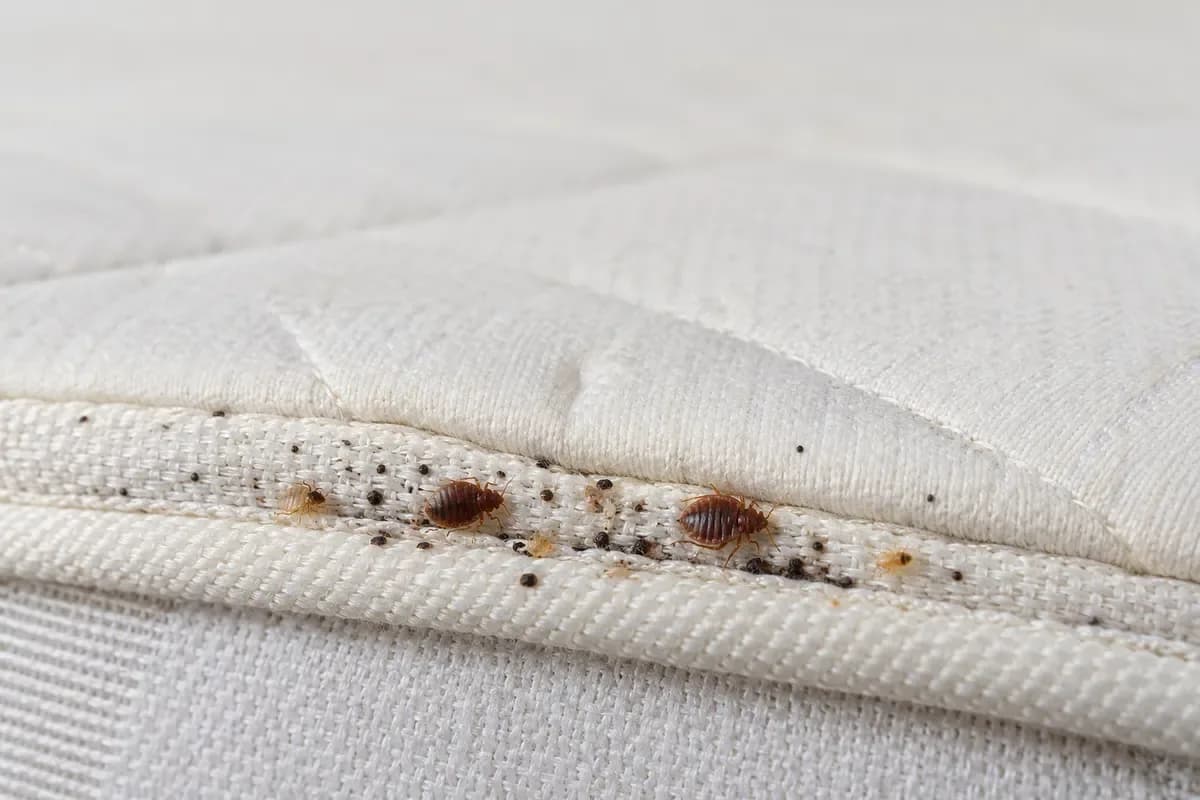
A bed bug is broad and flat when viewed from above. A flea is compressed from side to side, giving it a narrow profile. Fleas have enlarged hind legs and can jump, while bed bugs cannot jump or fly.
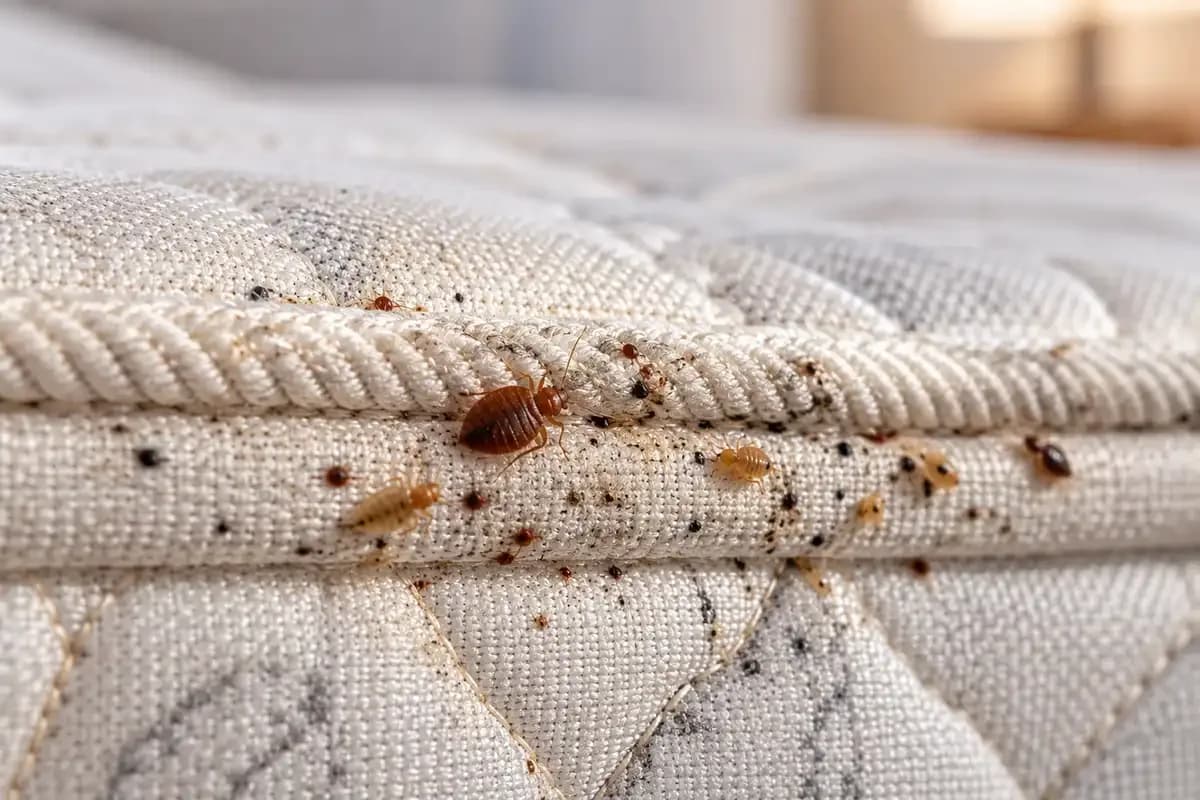
Location can also help. Fleas are often associated with pets and animal resting areas. Bed bugs cluster near places where people sleep or rest.
Bed Bug vs Tick
Ticks have eight legs in their nymph and adult stages because they are arachnids. Bed bugs are insects with six legs. Ticks often have a more rounded or teardrop body and may attach to a host while feeding.
Bed bugs feed for a short period and then return to a hiding place. They do not remain attached to skin like a feeding tick.
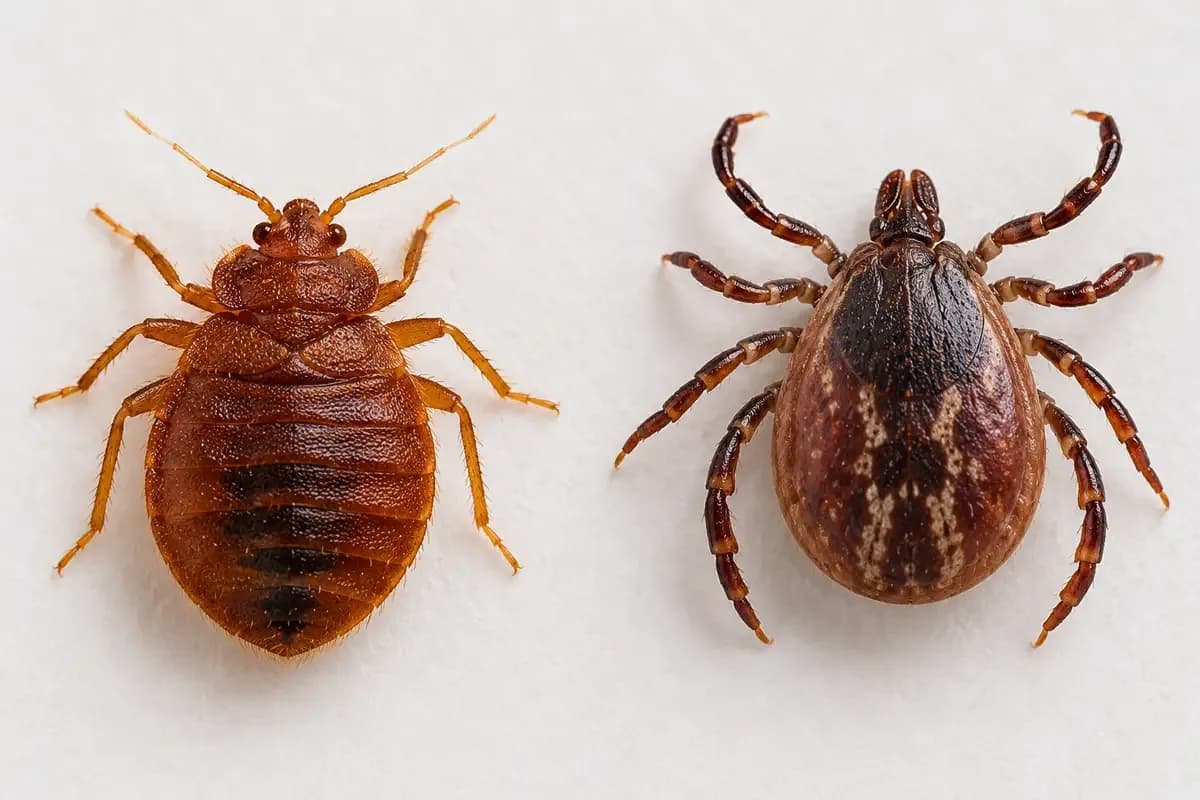
Bed Bug vs Bat Bug
Bat bugs and bed bugs are close relatives and can be extremely difficult to distinguish without magnification. Bat bugs tend to have longer hairs around the upper body, but this is not always easy to judge from a phone photo.
Context is important. Similar bugs found near an attic, chimney or wall space with bats may be bat bugs. Correctly dealing with the host source matters for control.
Bed Bugs vs Lice
Lice are adapted to stay on a host. Head lice live among scalp hair and have grasping legs. Bed bugs hide in the environment and visit a host to feed.
If insects are repeatedly attached to hair, think about lice rather than bed bugs. Bed bugs do not establish colonies in human hair.
Bed Bugs vs Mites
Many mites are much smaller than adult bed bugs, and some are difficult to see without magnification. Mites are arachnids, though leg count can be hard to assess in tiny specimens.
Skin symptoms alone cannot reliably separate bed bugs, fleas or mites. Look for the actual organism and environmental evidence.
Quick Identification Checklist
First count visible legs if the photo is clear. Next check whether the body is broad and flat or narrow and tall. Note whether the bug jumps, flies or remains attached to skin. Finally, consider where it was found.
Do not choose a pesticide until you have a reasonable identification. The wrong treatment can waste time and leave the real pest untouched. For more household lookalikes, see bugs that look like bed bugs.
Bite appearance is a weak way to tell these pests apart, since reactions vary by person. For marks on skin or a health concern after a bite, use the Bug Bite Identifier and seek medical advice. This is general education, not medical advice.
Quick Comparison
Use this table to separate the main biters at a glance by legs, shape, movement and where they turn up.
| Insect | Legs | Shape | Movement | Typical clue |
|---|---|---|---|---|
| Bed bug | 6 | Flat oval | Crawls | Mattress and furniture seams |
| Flea | 6 | Narrow side profile | Jumps | Pets and animal resting areas |
| Tick | 8 | Rounded or teardrop | Crawls, may attach | Host or outdoor exposure |
| Bat bug | 6 | Very similar to bed bug | Crawls | Near bat roosts |
| Head louse | 6 | Elongated | Crawls and grips hair | Scalp hair |
Frequently Asked Questions
Sources and References
- US Environmental Protection Agency. Bed Bugs: Get Them Out and Keep Them Out.
- US Centers for Disease Control and Prevention. About Bed Bugs.
- University of Kentucky Entomology. Bed Bugs, ENTFACT 636.
- UC Statewide IPM Program. Bed Bugs, Pest Note 7454.
- Purdue University Entomology. Bed Bug Identification.