Scale Insects on Plants: Soft Scale, White Scale and How to Treat Them
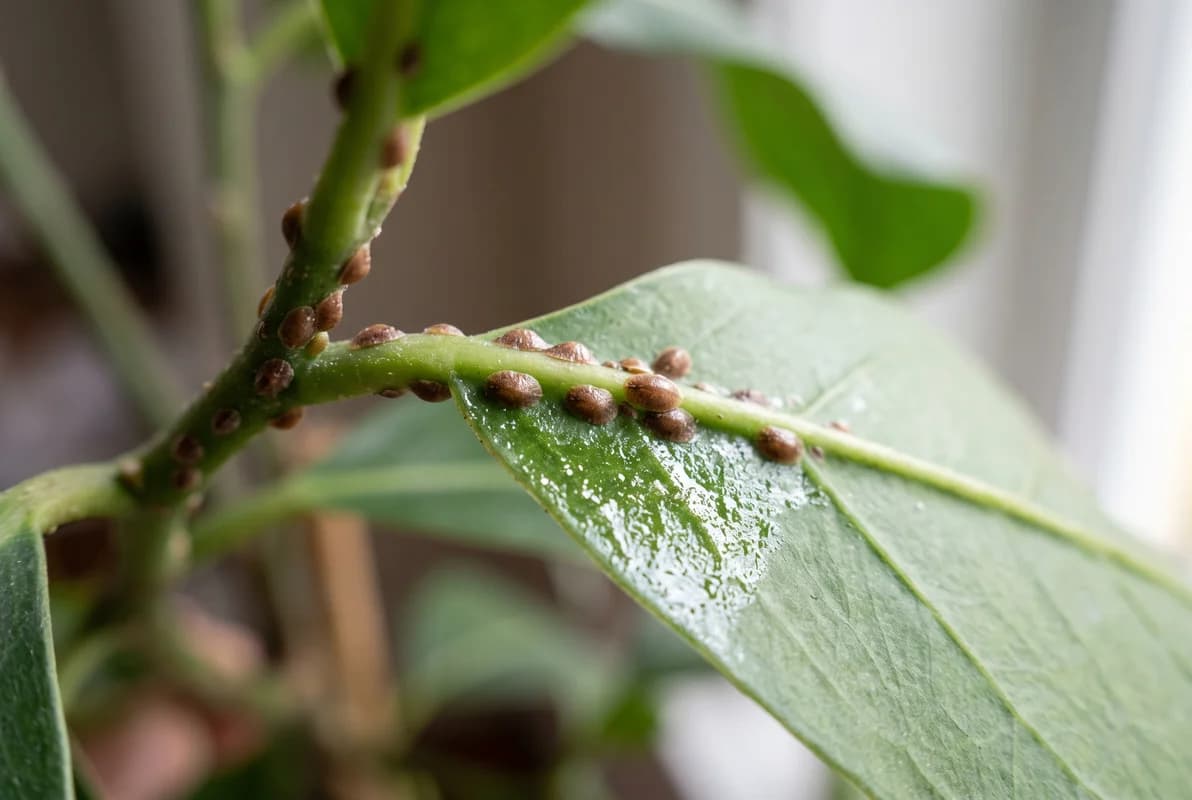
A scale insect is a small, sap sucking insect that attaches itself to a plant and hides under a waxy shell or covering. Because adult females do not move and have no obvious legs or head, most people mistake them for bumps on the bark or leaves. Thousands of species live worldwide, on houseplants, garden shrubs, fruit trees and crops. This guide shows you how to identify them, how they grow and how to get rid of them.
What Are Scale Insects?
Scales are tiny insects that feed by sucking sap from plants through a long, thin mouthpart. They are related to aphids and mealybugs and belong to the true bug order, Hemiptera. Adult females are usually 1 to 6 mm long and, once settled, most never move again, spending their life fixed to one spot while feeding and producing eggs under their cover. Most scale species feed on certain plants only, which is why one plant in a room can be badly infested while the plant beside it stays clean.
Soft Scale vs Armored Scale vs Wax Scale
Soft scales and armored scales are the two most common types, and telling them apart matters because they respond to different treatments. The table below compares them with wax and cottony scales.
| Feature | Soft scale | Armored scale | Wax scale | Cottony cushion |
|---|---|---|---|---|
| Size | Up to about 6 mm (1/4 in) | Under 3 mm (1/8 in) | About 3 to 8 mm | About 5 mm, plus a long egg sac |
| Shape | Rounded and humped | Flat, like a tiny plate | Thick, rounded wax dome | Brown body with a white ridged egg sac |
| Cover | Part of the body, does not lift off | A separate shell that lifts off | Thick white or pink wax | Fluted white wax egg sac |
| Honeydew | Yes, often heavy | No | Yes | Yes |
| Examples | Brown soft scale, black scale | San Jose, oystershell, red scale | Florida wax scale | Cottony cushion scale |
A simple test helps: gently push the bump with a fingernail or toothpick. If a shell lifts off and leaves a soft insect behind, it is an armored scale. If the whole bump comes off as one piece, it is likely a soft scale.
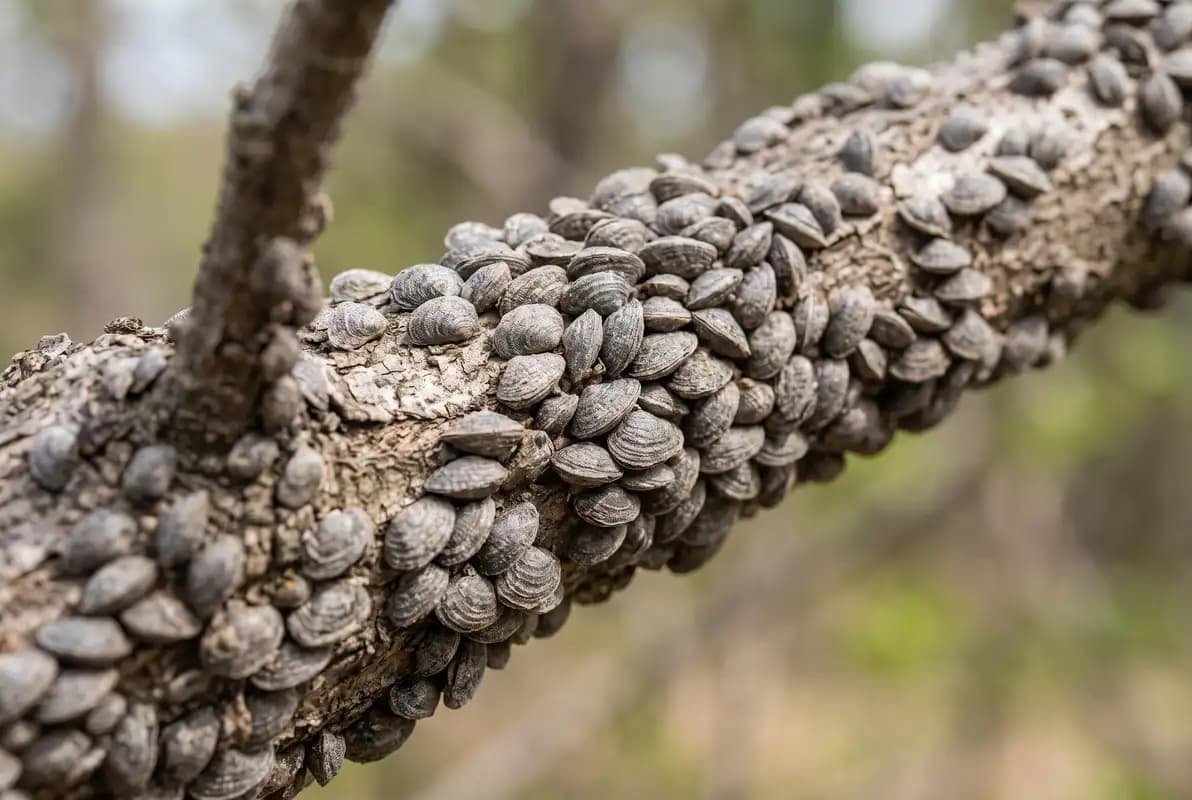
Not sure what the bumps or white fluff on your plant are? Upload a photo to the free ScanaBug Insect Identifier to find out what they are and how serious they are.
White Scale, Cottony Scale and Mealybug Confusion
White, fluffy spots on a plant can be scales, mealybugs or other sap feeders, and each needs slightly different care. When people search for a white cotton ball insect, they usually mean one of these:
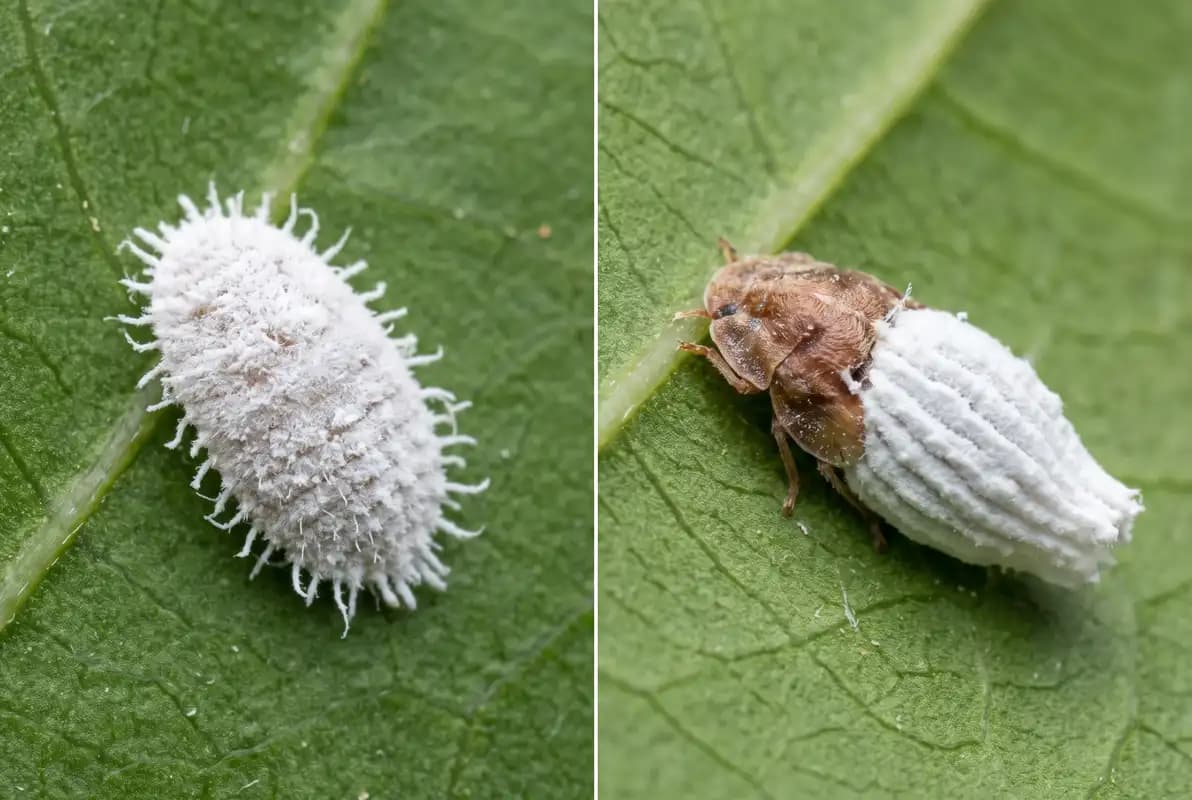
- Mealybugs: soft, oval insects covered in white powdery wax with short waxy threads around the edges. Unlike scales, they keep their legs and can crawl slowly.
- Cottony cushion scale: a brown scale with a large white egg sac that has neat ridges running along it.
- Cottony maple scale: white, cotton like egg masses on twigs in late spring and early summer.
- Woolly aphids: clusters of aphids covered in white wax strands on bark or roots.
If the white spots move when touched, you are most likely dealing with mealybugs. If they stay fixed and have a ridged sac, look at cottony cushion scale.
Scale Insect Life Cycle and Eggs
Their life cycle has three main stages: egg, nymph and adult. Most females lay their eggs under their own shell or in a waxy sac. The newly hatched nymphs are called crawlers: tiny, flat and often yellow or orange, they are the only stage that moves freely, walking or getting carried by wind, birds or people to a new spot before settling and forming their own cover. Most soft scales have one generation a year, while most armored scales have several, and indoors they can breed all year. To check for crawlers, wrap a piece of double sided sticky tape around an infested twig and look for tiny yellow dots stuck to it.
Scale Damage: Signs to Look For
Scale damage usually shows up as sticky leaves, black mold or yellowing before people notice the insects themselves. Look for these signs:
- Sticky honeydew: soft scales drip a sugary liquid that makes leaves and surfaces below feel sticky.
- Sooty mold: a black, powdery fungus that grows on honeydew and blocks light from the leaves.
- Ants: ants climb plants to collect honeydew and protect scales from their natural enemies.
- Yellow or dropping leaves, and dying twigs, common with heavy armored scale on bark.
A small number of scales rarely harms a healthy plant, but a heavy infestation can kill branches or even whole plants over time.
How to Get Rid of Scale on Houseplants
Scale on houseplants is easiest to control when you catch it early and act on every plant nearby. Follow these steps:
- Isolate the plant so crawlers cannot move to other plants.
- Remove scales by hand with a soft toothbrush or a cotton swab dipped in rubbing alcohol.
- Prune heavily infested stems and throw them away in a sealed bag.
- Wipe off honeydew and sooty mold with a damp cloth.
- Spray with insecticidal soap or horticultural oil, covering stems and both sides of the leaves, and repeat every 7 to 10 days for several weeks.
- Check the plant weekly for at least a month to catch any new crawlers.
Always test a spray on a few leaves first, since some plants are sensitive to oils and soaps.
How to Treat Scale on Trees and Garden Plants
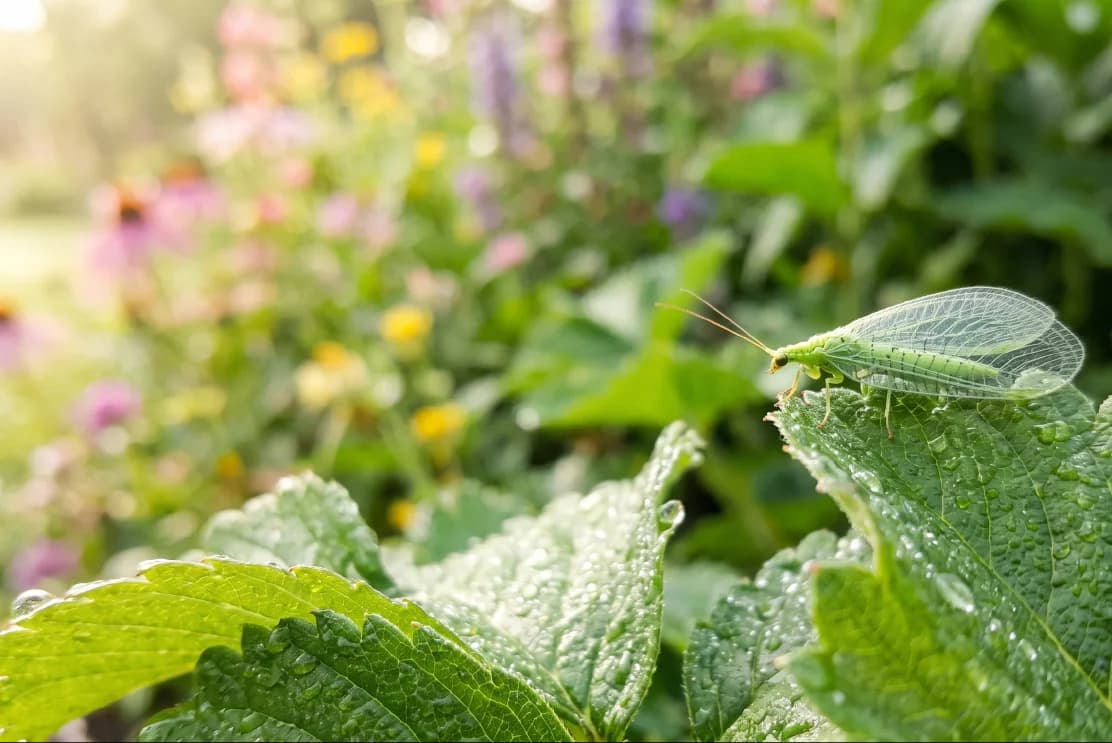
On trees and shrubs, the best approach combines natural enemies, good plant care and well timed sprays. Lady beetles, tiny parasitic wasps and lacewings all feed on scales. In 1888, a lady beetle called the vedalia beetle was brought to California and quickly controlled cottony cushion scale in citrus groves, one of the first great successes of biological control. To protect these helpers, control ants with sticky bands around the trunk, prune out badly infested branches, water well during dry periods, avoid too much nitrogen fertilizer, and use horticultural oil in late winter or when crawlers appear. Avoid systemic insecticides on plants in bloom, as they can harm bees and natural enemies.
Frequently Asked Questions
Sources and References
- University of California Statewide IPM Program. Scales: Pest Notes for Home and Landscape.
- UConn Extension Integrated Pest Management Program. Managing Scale Insects in the Greenhouse.
- Caltagirone, L. E. and Doutt, R. L. 1989. The history of the vedalia beetle importation to California. Annual Review of Entomology, Volume 34.
- Gullan, P. J. and Cranston, P. S. 2014. The Insects: An Outline of Entomology, 5th edition. Wiley Blackwell.