What Do Ladybugs Eat? A Complete Diet Guide
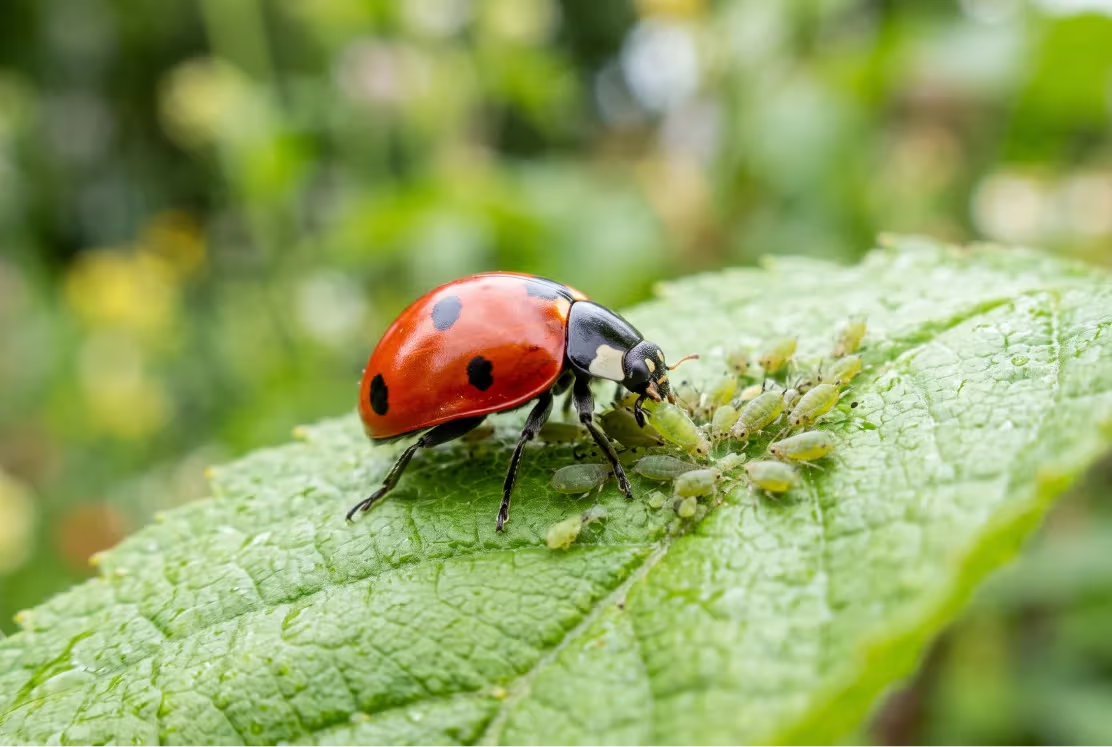
Ladybugs eat mostly aphids, but that is only part of the picture. Their full diet shifts across four life stages and changes depending on whether food is scarce, and it includes several things most people never expect, including pollen, mildew, and occasionally other ladybugs.
Found a beetle in your garden and not sure if it is actually a ladybug? Identify the bug you found with our free AI tool before reading on.
What Adult Ladybugs Eat in the Wild
A single adult ladybug eats an average of 50 aphids a day, and some can eat several thousand across their lifetime. This is why gardeners consider them one of the most valuable natural pest control insects available. Beyond aphids, wild ladybugs also eat scale insects, mealybugs, mites, and whitefly larvae, all soft bodied pests that are easy for a ladybug's small mouthparts to handle.
When insect prey is scarce, adult ladybugs switch to pollen and nectar. Many gardeners notice ladybugs visiting flowering plants even when no aphids are present nearby, which is this backup food source at work. Some species also eat mildew and fungal spores growing on plant leaves, a lesser known part of their diet that helps control certain plant diseases.
What Ladybug Larvae Eat
Ladybug larvae look nothing like the adult beetle and are sometimes mistaken for a completely different, harmful insect. They are actually more voracious eaters than adults relative to their size. A larva can consume 350 to 400 aphids over the two to three weeks it takes to reach the pupal stage. Larvae eat the same range of soft bodied pests as adults, including aphids, mites, and scale insects, but need a steady food supply since they cannot fly to a new location if their current one runs dry.
What Ladybug Eggs and Pupae Need
Eggs and pupae do not eat. Female ladybugs lay their eggs directly on or near an aphid colony specifically so the larvae have immediate access to food the moment they hatch. This is one of the most reliable indicators of an aphid problem in a garden: finding small clusters of yellow, oval ladybug eggs on the underside of a leaf usually means aphids are nearby, even if you have not spotted them yet.
Do Ladybugs Eat Other Ladybugs?
Yes, under specific conditions. When aphid populations collapse and multiple ladybug larvae are competing in the same area, larger larvae will eat smaller larvae or unhatched eggs. This behavior, called intraguild predation, is more common among certain invasive species such as the Asian lady beetle (Harmonia axyridis) than among native ladybug species, and is one reason some regions have seen native ladybug populations decline where the invasive species has spread.
What to Feed a Ladybug You Are Raising or Keeping as a Pet
If you are raising ladybugs, for a classroom project, a garden release, or simply to observe them, the easiest reliable food is raisins soaked briefly in water, which mimics the sugar content of aphid honeydew. Small amounts of honey diluted with water on a piece of cotton or paper towel also work well. If you want to offer live prey, aphids from a garden plant are the most natural option, though they can be time consuming to collect in quantity.
Avoid feeding ladybugs sugary human food such as candy or soda, and never feed them anything treated with pesticide, since this is toxic to them the same way it is to the pests they eat.
What Ladybugs Will Not Eat
- Hard bodied insects such as beetles or ants, since ladybug mouthparts are built for soft bodied prey
- Large insects they cannot subdue, including most caterpillars
- Meat or other animal protein unrelated to their natural insect prey
- Plant leaves or stems themselves, apart from the pollen and nectar noted above; ladybugs are not considered a garden pest to plants
Found a bug in your garden and not sure if it is a ladybug, a look-alike species, or something that actually damages plants? Use the free AI Bug Identifier at the top of the homepage to identify it by photo in seconds.
Frequently Asked Questions
Sources and References
- University of Kentucky Entomology. Lady Beetles. entomology.ca.uky.edu
- Cornell University College of Agriculture and Life Sciences. Biological Control: Lady Beetles. biocontrol.entomology.cornell.edu
- Royal Horticultural Society. Ladybirds. rhs.org.uk